
Digital Printing on Fabric: Methods, Benefits and Applications
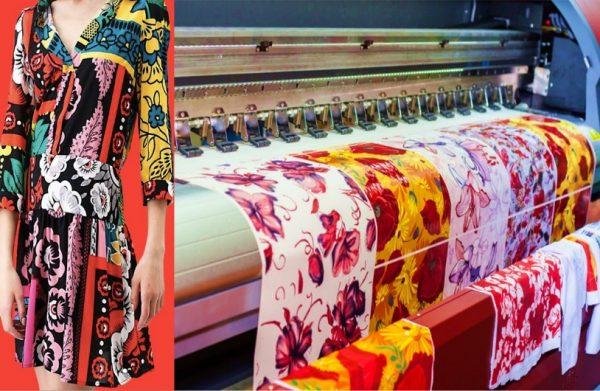
Digital printing on fabric is a textile printing technique that uses digital artwork to place ink or dye directly onto fabric through specialized printing equipment. Instead of relying on physical screens, engraved rollers, or other traditional design tools, the printer reads a computer file and reproduces the artwork on the textile. This makes it possible to print detailed patterns, photographs, logos, gradients, and other complex designs.
The use of Digital printing on fabric has expanded as textile businesses have looked for flexible production methods and greater customization. It is especially useful for sampling, personalized products, short production runs, and designs that contain many colors. A designer can change a digital file, print another sample, and compare the result without preparing a completely new physical printing setup.
What Is Digital Printing on Fabric?
Digital textile printing is a computer-controlled process in which tiny droplets of ink or dye are deposited onto specific areas of a textile. Industrial printers commonly use inkjet print heads that control the position and quantity of each droplet.
The printer follows the information contained in the digital artwork to create the desired image. This makes it possible to reproduce complex illustrations, photographic images, smooth gradients, repeating patterns, and fine details.
However, the printing machine is only one part of the production process. The fiber content and structure of the fabric, type of ink, pre-treatment, color management, fixation, and finishing method all affect the final result.
A printing system designed for polyester may not be suitable for cotton or silk. Therefore, selecting the right combination of fabric and printing technology is one of the most important decisions in textile production.
How Does Digital Fabric Printing Work?
Preparing the Digital Artwork
The process begins with a digital design. The artwork may be created specifically for fabric or adapted from a photograph, illustration, logo, or existing pattern.
The file should have adequate resolution for the final print size. Enlarging a low-resolution image too much can create blurred edges and visible pixels. Designers should also inspect small text, fine lines, pattern alignment, and the overall scale of the design.
Color management is another important consideration. A computer monitor displays colors using light, while printed fabric reflects light. Because of this difference, a color shown on a screen may not look identical after printing.
For important projects, a physical strike-off or sample can be used to check color and appearance before larger production begins.
Selecting the Fabric
The fabric should be selected according to the intended application and printing technology.
Cotton and linen are often compatible with reactive dyes and certain pigment systems. Polyester is widely used with dye-sublimation and disperse dye technologies. Silk and wool require suitable dye chemistry, while nylon can be printed with certain acid or disperse systems.
Fabric construction also influences the finished print. Smooth, tightly woven materials may reproduce fine details differently from rough, textured, or loosely woven textiles.
The manufacturer should consider fabric weight, absorbency, stretch, weave, and expected use before production.
Preparing the Textile
Some printing methods require pre-treatment. This prepares the fabric to receive the ink or dye and can help control absorption and color development.
The treatment varies according to the fiber and ink system. Correct preparation can improve edge definition, color strength, and print consistency.
If the required preparation is inadequate, problems such as excessive spreading, uneven color, or weak prints may occur.
Applying the Print
After preparation, the fabric passes through the digital printer. Computer-controlled print heads apply ink or dye according to the artwork.
The printer can reproduce complex designs without requiring a separate physical screen for every color. This makes digital technology useful for photographic images and detailed multicolor patterns.
Equipment calibration and maintenance are important at this stage. Print-head condition, ink flow, fabric alignment, and environmental conditions can all affect the finished appearance.
Fixing and Finishing
The printed textile may require steaming, curing, heat treatment, washing, or another fixation process.
The correct treatment depends on the type of ink and fabric. Proper fixation helps improve color stability and resistance to washing or rubbing.
The fabric should be evaluated after all required finishing steps because the appearance and performance can change during processing.
Major Types of Digital Textile Printing
Direct-to-Fabric Printing
Direct-to-fabric systems apply ink or dye directly to the textile surface. Some materials require pre-treatment, while certain pigment systems can follow a different preparation and curing process.
This approach is suitable for many fashion, decorative, and customized textile applications.
Dye-Sublimation Printing
Dye-sublimation is mainly used for polyester and compatible coated materials. Heat transfers the dye into the polyester substrate.
The method is widely used for sportswear, flags, banners, soft signage, and promotional graphics. It is particularly suitable for detailed, full-color designs on compatible materials.
Reactive Dye Printing
Reactive dyes are commonly used for cotton, linen, and other suitable cellulosic fabrics. Under controlled conditions, the dye reacts with the fiber.
The method can provide strong colors and good wash performance when the fabric is properly prepared and the dye is correctly fixed.
Acid Dye Printing
Acid dyes are generally used for silk, wool, and certain nylon materials. The process requires suitable conditions for dye absorption and fixation.
When properly controlled, it can produce detailed designs with strong color development.
Pigment Printing
Pigment inks contain colored particles that are generally held on the textile surface with a binder. They can be used on a broad selection of fabrics.
Their versatility can make them useful for certain applications, although the final softness, color strength, and durability depend on the ink formulation, fabric, and curing process.
Practical Benefits of Digital Printing on Fabric
Greater Design Flexibility
One of the strongest advantages of Digital printing on fabric is its ability to reproduce intricate artwork. Photographs, gradients, detailed illustrations, and multicolor patterns can be produced without reducing the artwork to a small number of colors.
This gives designers more freedom when developing original collections.
Simple Customization
Digital artwork can be changed without creating a new physical screen for every variation. Names, numbers, logos, and other personalized elements can be incorporated into individual designs.
For example, a sportswear manufacturer can print different player names and numbers while using the same basic design template.
Easier Sampling
Digital printing allows manufacturers to create physical samples before committing to a larger order. Samples can reveal problems with color, scale, fabric compatibility, and image detail.
This provides an opportunity to correct issues before they affect a full production run.
Suitable for Short Runs
Short production runs are one of the areas where digital printing can be particularly useful. It can support limited collections, prototypes, custom orders, and small businesses that do not need thousands of meters of the same design.
Faster Design Changes
A digital design can be recolored, resized, or modified and then sent for another print. This reduces the physical setup associated with some conventional methods and can speed up product development.
Applications of Digital Fabric Printing
Fashion and Apparel
Digitally printed fabric is used for dresses, shirts, scarves, swimwear, activewear, and other garments. Designers can develop distinctive surface patterns and test them before production.
Home Décor
Curtains, cushions, bedding, table linens, and other decorative textiles can be printed with customized patterns. This is useful when a project requires specific artwork or colors.
Sportswear
Polyester sportswear can be produced with customized team names, player numbers, logos, sponsor graphics, and full-surface designs.
Promotional Textiles
Digital printing is also used for fabric banners, exhibition graphics, event backdrops, retail displays, and promotional materials.
Common Challenges and Considerations
Fabric and Ink Compatibility
The selected ink must be suitable for the fabric. An incorrect combination can cause weak colors, bleeding, poor durability, or changes in fabric feel.
The textile composition should be confirmed before selecting the printing system.
Color Accuracy
Color matching can be difficult because screens, printers, inks, fabrics, and lighting conditions all affect color perception.
A physical sample is recommended for projects where precise color matching is important.
Production Costs
Digital printing can be practical for sampling, customized products, and short runs. However, conventional printing can sometimes be more economical for very large quantities of one consistent design.
Costs should be compared using the complete production process, including fabric preparation, ink, setup, finishing, labor, and quantity.
Post-Printing Processing
Some digital printing methods require steaming, curing, washing, or heat fixation. These steps add to production time and cost but may be essential for durability and color performance.
Frequently Asked Questions
1. What fabrics can be digitally printed?
Many fabrics can be digitally printed, including cotton, linen, polyester, silk, wool, and nylon. The appropriate printing method depends on the fiber composition and intended application.
2. Is digital printing on fabric suitable for small quantities?
Yes. It is particularly useful for samples, prototypes, personalized products, and short runs because designs can be modified digitally without extensive physical setup.
3. Can photographs be printed on fabric?
Yes. Digital textile printers can reproduce photographs, illustrations, gradients, and detailed patterns. The original artwork should have sufficient resolution for the required print dimensions.
4. How durable are digital fabric prints?
Durability depends on the fabric, ink or dye, printing method, fixation, finishing, and care conditions. Properly processed prints can provide good color stability and resistance to normal use.
5. Is digital printing better than traditional textile printing?
It depends on the project. Digital printing is particularly useful for complex designs, customization, sampling, and shorter runs. Traditional methods may offer cost advantages for high-volume production of repeated designs.
Conclusion
Digital printing on fabric provides a flexible link between digital artwork and textile manufacturing. It enables designers and manufacturers to produce detailed patterns, customized textiles, samples, and short production runs without relying on the same physical setup required by many traditional printing techniques.
Achieving consistent results requires careful attention to the complete process. The fabric must be compatible with the chosen ink, the artwork must be prepared correctly, colors should be tested, and the appropriate fixation and finishing procedures must be followed.
From clothing and home furnishings to sportswear and promotional displays, digital textile printing has applications across many industries. Its combination of design flexibility, customization, and efficient sampling makes it a valuable option for businesses seeking greater control over modern textile production.
- Business
- Technology
- Finance
- Health
- Fashion
- Lifestyle
- Travel
- Food
- Education
- Real Estate
- Automobile
- Entertainment
- Sports
- Pets
- Home Decor
- Gardening
- Parenting
- Wedding
- Beauty
- Gaming
- Photography
- Music
- Movies
- News
- Politics
- Religion
- Astrology
- Law
- Insurance
- Jobs
- Freelancing
- Remote Work
- Blogging
- E-commerce
- WordPress
- OpenCart
- Social Media
- Graphic Design
- Web Design
- Programming
- Mobile Apps
- Artificial Intelligence
- SaaS
- Cyber Security
- Cloud Computing
- Hosting
- SEO
- Content Writing
- Email Marketing
- Affiliate Marketing
- YouTube
- Podcasting
- Interior Design
- DIY
- Crafts
- Art
- Architecture
- Environment
- Agriculture
- Animals
- Fishing
- Hunting
- Survival
- Outdoor
- Fitness
- Yoga
- Meditation
- Mental Health
- Skin Care
- Hair Care
- Makeup
- Jewelry
- Sarees
- Salwar Kameez
- Lehenga Choli
- Kurtis
- Men Fashion
- Women Fashion
- Kids Fashion
- Footwear
- Bags
- Watches
- Luxury
- Shopping
- Coupons
- Electronics
- Smartphones
- Laptops
- Tablets
- Cameras
- Home Appliances
- Kitchen
- Furniture
- Cleaning
- Baby Care
- Senior Care
- Relationships
- Self Improvement
- Motivation
- Quotes
- Festivals
- Events
- Careers
- Remote Work
- Productivity
- Wholesale
- Manufacturing
- Import Export
- Logistics
- Supply Chain
- Human Resources
- Customer Service
