
Can Ayurvedic Treatment for Eczema Help Soothe Persistent Skin Irritation?
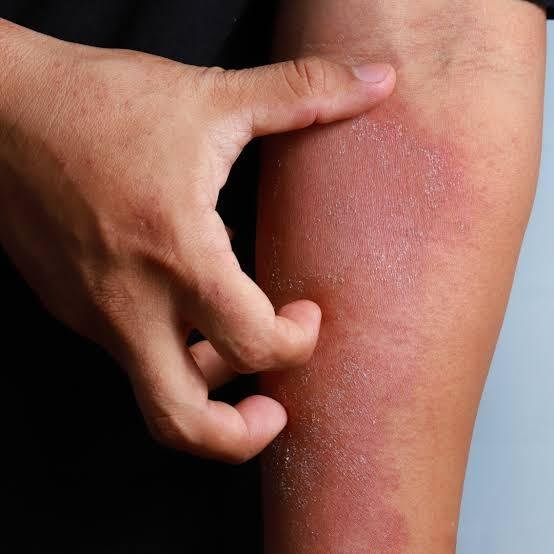
Persistent skin irritation can be frustrating, especially when dryness, itching, redness, and discomfort keep returning. Eczema is a common inflammatory skin condition that can affect people of all ages and may become worse due to factors such as weather changes, stress, irritants, allergens, or a disrupted skin barrier. Along with conventional medical care, many people explore holistic approaches to support their skin health. Ayurvedic Treatment for Eczema focuses on personalized care, healthy lifestyle habits, diet, traditional therapies, and overall well-being.
Understanding Eczema and Persistent Skin Irritation
Eczema can cause recurring periods of dry, itchy, irritated, or inflamed skin. Some people experience occasional flare-ups, while others deal with persistent symptoms. Scratching may provide temporary relief but can further damage the skin and increase irritation.
Common symptoms of eczema include:
- Dry and rough skin
- Persistent itching
- Redness or inflammation
- Flaking or scaling
- Cracked skin
- Swelling
- Skin thickening caused by repeated scratching
Identifying personal triggers can be an important part of managing eczema. Common triggers may include harsh skincare products, fragrances, excessive heat, dry weather, stress, and certain environmental factors.
What Is Ayurvedic Treatment for Eczema?
Ayurveda is a traditional system of wellness that takes a holistic view of health. Instead of focusing only on the visible symptoms, Ayurvedic care considers factors such as diet, lifestyle, daily routines, individual constitution, and overall balance.
Ayurvedic Treatment for Eczema may involve personalized dietary recommendations, traditional herbal preparations, external applications, lifestyle adjustments, relaxation practices, and other Ayurvedic therapies. The specific treatment approach can vary from person to person.
The objective is generally to support overall wellness and healthy skin rather than relying on a single remedy for everyone.
Can Ayurveda Help Soothe Skin Irritation?
Ayurvedic approaches may help support people dealing with persistent skin irritation when used appropriately. Certain traditional practices focus on maintaining skin moisture, supporting a balanced lifestyle, and reducing factors that may contribute to discomfort.
However, it is important to understand that eczema is a medical condition and there is no guaranteed Ayurvedic cure. Scientific evidence for individual Ayurvedic remedies varies. Therefore, Ayurvedic approaches are best considered complementary to appropriate medical care rather than a replacement for treatment prescribed by a dermatologist.
Key Elements of an Ayurvedic Approach
1. Personalized Dietary Guidance
Ayurveda places considerable emphasis on food and digestion as part of overall wellness. Depending on an individual's needs, an Ayurvedic practitioner may recommend a balanced diet containing nutrient-rich foods while suggesting that the person observe whether particular foods appear to trigger symptoms.
Fresh vegetables, fruits, whole grains, adequate protein, and sufficient fluids can contribute to overall nutritional health. People with known food allergies should follow appropriate medical dietary advice rather than eliminating foods unnecessarily.
A personalized diet may support general well-being, but dietary changes should not be considered a guaranteed treatment for eczema.
2. Traditional Herbal Preparations
Ayurveda has traditionally used numerous herbs and plant-based ingredients in wellness practices. Some Ayurvedic formulations may be recommended based on an individual's needs.
However, herbal products can have side effects, and some may interact with prescription medications. Quality and formulation can also vary. For these reasons, herbal remedies should be taken only with guidance from a qualified professional.
3. Gentle Skin Care
People with eczema often benefit from a simple and consistent skincare routine. Keeping the skin moisturized can help support the skin barrier and reduce dryness.
Ayurvedic practitioners may recommend certain traditionally used oils or topical preparations. Before using any new product, especially on irritated skin, it is advisable to perform a small patch test and seek professional advice.
Fragrance-free moisturizers, gentle cleansers, and lukewarm baths may also be useful components of an eczema-friendly skincare routine.
4. Stress Management
Stress does not cause every case of eczema, but it may worsen symptoms for some individuals. Ayurveda emphasizes maintaining a balanced daily routine and supporting emotional well-being.
Relaxation practices such as meditation, gentle yoga, breathing exercises, and adequate sleep may help reduce everyday stress. These practices can be included as part of a broader wellness routine.
Benefits of a Holistic Approach
A holistic approach can encourage individuals to pay attention to several factors that influence their overall well-being. Potential benefits may include:
- Developing healthier daily routines
- Supporting consistent skincare
- Encouraging balanced nutrition
- Promoting stress management
- Identifying possible lifestyle triggers
- Supporting overall skin wellness
The goal is not simply to focus on temporary relief but to develop sustainable habits that support the person's general health.
How to Support Eczema-Prone Skin at Home
Along with professional guidance, simple habits may help reduce unnecessary irritation.
Moisturize Regularly
Use a suitable fragrance-free moisturizer regularly, especially after bathing. Moisturizing helps reduce dryness and supports the skin barrier.
Avoid Harsh Products
Soaps, perfumes, detergents, and skincare products containing irritating ingredients may aggravate sensitive skin. Choose gentle products whenever possible.
Keep Baths Lukewarm
Very hot water can remove natural oils from the skin and increase dryness. Lukewarm water is generally gentler on eczema-prone skin.
Avoid Scratching
Scratching can damage the skin and may increase the risk of infection. Keeping fingernails short and using appropriate moisturizers may help reduce the urge to scratch.
Identify Possible Triggers
Keeping a simple record of flare-ups may help identify patterns related to weather, skincare products, stress, clothing, or other environmental factors.
Why Choose Personalized Ayurvedic Care?
One of the important aspects of Ayurvedic Treatment for Eczema is its individualized approach. People can experience eczema differently, and what irritates one person's skin may not affect another person in the same way.
A qualified Ayurvedic practitioner may consider the individual's symptoms, lifestyle, dietary habits, skin condition, and overall wellness before suggesting a plan. This personalized approach can help create practical lifestyle and skincare recommendations rather than relying on a single remedy.
At the same time, individuals should communicate openly with their dermatologist and Ayurvedic practitioner about all treatments they are using.
Is Ayurvedic Treatment Suitable for Everyone?
Ayurvedic therapies are not automatically suitable for every person. Certain herbs or topical preparations may cause allergic reactions, irritation, or interactions with medications.
Pregnant individuals, children, people taking prescription medicines, and those with severe or complicated eczema should seek appropriate professional advice before starting herbal or traditional treatments.
If eczema becomes painful, severely inflamed, develops pus or oozing, or shows other signs of infection, medical attention is important.
Combining Ayurveda With Modern Skin Care
For many individuals, the most practical approach may involve combining healthy lifestyle habits and complementary practices with evidence-based eczema management.
A dermatologist can help diagnose eczema and recommend appropriate treatments, while a qualified Ayurvedic practitioner can provide guidance on traditional wellness practices. Keeping both professionals informed can help reduce the risk of conflicting treatments.
This integrated approach can focus on symptom management, skin protection, lifestyle habits, and long-term wellness.
Conclusion
Persistent eczema irritation can affect comfort, confidence, and daily life. Ayurvedic Treatment for Eczema offers a holistic approach that may include personalized diet, traditional herbal practices, gentle skincare, lifestyle changes, and stress-management techniques.
While Ayurveda may support overall skin wellness, it should not be viewed as a guaranteed cure or replacement for medically recommended eczema treatment. The safest approach is to consult qualified professionals, understand individual triggers, maintain a gentle skincare routine, and choose treatments according to personal health needs.
With consistent care and appropriate professional guidance, people with eczema can work toward healthier skin and better overall well-being.
- Business
- Technology
- Finance
- Health
- Fashion
- Lifestyle
- Travel
- Food
- Education
- Real Estate
- Automobile
- Entertainment
- Sports
- Pets
- Home Decor
- Gardening
- Parenting
- Wedding
- Beauty
- Gaming
- Photography
- Music
- Movies
- News
- Politics
- Religion
- Astrology
- Law
- Insurance
- Jobs
- Freelancing
- Remote Work
- Blogging
- E-commerce
- WordPress
- OpenCart
- Social Media
- Graphic Design
- Web Design
- Programming
- Mobile Apps
- Artificial Intelligence
- SaaS
- Cyber Security
- Cloud Computing
- Hosting
- SEO
- Content Writing
- Email Marketing
- Affiliate Marketing
- YouTube
- Podcasting
- Interior Design
- DIY
- Crafts
- Art
- Architecture
- Environment
- Agriculture
- Animals
- Fishing
- Hunting
- Survival
- Outdoor
- Fitness
- Yoga
- Meditation
- Mental Health
- Skin Care
- Hair Care
- Makeup
- Jewelry
- Sarees
- Salwar Kameez
- Lehenga Choli
- Kurtis
- Men Fashion
- Women Fashion
- Kids Fashion
- Footwear
- Bags
- Watches
- Luxury
- Shopping
- Coupons
- Electronics
- Smartphones
- Laptops
- Tablets
- Cameras
- Home Appliances
- Kitchen
- Furniture
- Cleaning
- Baby Care
- Senior Care
- Relationships
- Self Improvement
- Motivation
- Quotes
- Festivals
- Events
- Careers
- Remote Work
- Productivity
- Wholesale
- Manufacturing
- Import Export
- Logistics
- Supply Chain
- Human Resources
- Customer Service
