
Roofing Machines: Types, Uses, Benefits, and How to Choose the Right Equipment
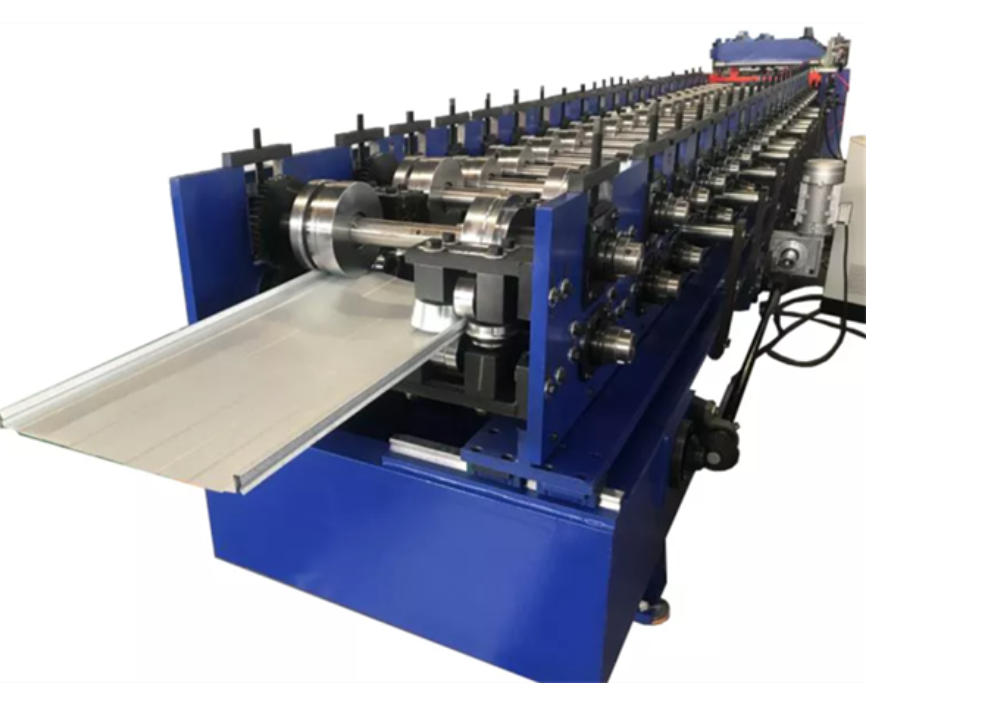
The roofing industry relies on specialized equipment to manufacture, shape, transport, and install roofing materials efficiently. For contractors and manufacturers working with metal roofing, the right roofing machines can improve production consistency, reduce manual work, and help businesses handle projects more efficiently.
Modern roofing equipment ranges from roll forming machines that create metal panels to seamers and cutting systems used during installation. Because different machines serve different purposes, understanding their functions is important before investing in equipment.
What Are Roofing Machines?
Roofing machines are specialized tools and mechanical systems designed to support roofing material production and installation. Some machines are used in manufacturing facilities, while portable equipment can be taken directly to a construction site.
The type of machine required depends on the roofing material, panel profile, production volume, and intended application. A contractor producing standing seam panels, for example, may need different equipment from a company manufacturing corrugated roofing.
When properly selected and operated, roofing machinery can make repetitive tasks faster and more consistent.
Common Types of Roofing Machines
There are several categories of roofing machines used by contractors and manufacturers.
Roll Forming Machines
Roll forming machines are commonly used to manufacture metal roofing panels. Flat metal coils pass through a series of rollers that gradually shape the material into a specific profile.
These machines can produce consistent panels in different lengths and configurations. Portable roll formers are particularly useful for contractors who want to manufacture panels close to the job site.
Standing Seam Machines
Standing seam roofing requires properly formed and connected seams. Specialized seamers can mechanically close or lock seams according to the requirements of a particular roofing profile.
Using equipment designed for the specific panel system is important because seam dimensions and configurations can vary.
Roofing Panel Machines
Roofing panel machines are designed to manufacture different types of metal roofing profiles. Depending on the equipment, they may produce standing seam, ribbed, corrugated, or other customized panels.
Some modern machines include digital controls and automated settings to help operators maintain consistent dimensions during production.
Cutting Equipment
Cutting machines and specialized roofing tools are used to cut panels and other materials to required dimensions.
Accurate cutting is important around roof edges, valleys, openings, vents, and other details. The selected cutting method should be appropriate for the material and follow the manufacturer's recommendations.
Material Handling Equipment
Roofing projects can involve heavy coils, long panels, insulation, and other materials. Material handling equipment can help move these components safely and efficiently.
Reducing unnecessary manual handling can improve workflow and help workers concentrate on installation and quality control.
Benefits of Roofing Machines
Investing in appropriate machinery can provide several advantages for roofing businesses.
Increased Productivity
Machines can perform repetitive tasks faster than many manual methods. For manufacturers and high-volume contractors, this can help increase production capacity and improve project efficiency.
Consistent Panel Quality
Mechanical forming equipment can create roofing panels with consistent dimensions and profiles. This is important when multiple panels must fit together accurately across a large roof.
Consistent production can also help reduce problems during installation.
Reduced Material Waste
Accurate forming and cutting can reduce unnecessary material waste. This can be particularly valuable when working with higher-cost metals or large production volumes.
Better material control may also help businesses manage inventory more efficiently.
Reduced Repetitive Labor
Roofing machinery can reduce some repetitive manual tasks, allowing workers to focus on installation, inspection, planning, and other responsibilities that require specialized knowledge.
Custom Manufacturing
Many roofing machines can produce panels in custom lengths or profiles. This provides greater flexibility when a project has unusual dimensions or architectural requirements.
How to Choose a Roofing Machine
Choosing roofing equipment requires careful consideration because machinery can represent a significant investment.
Identify the Roofing Material
First, determine which materials the machine will process. Steel and aluminum, for example, may have different thickness and forming requirements.
Always verify that the machine is compatible with the intended material and gauge.
Consider Production Volume
A small contractor completing occasional projects may not need the same equipment as a large manufacturer.
Think about the number of panels produced each week or month and choose equipment that matches actual production needs.
Evaluate Portability
Portable roofing machines can be valuable for contractors who manufacture panels directly at job sites. Stationary equipment may be better suited to businesses with dedicated production facilities.
The choice depends on how and where the equipment will be used.
Review Controls and Features
Modern roofing machines may include digital controls, programmable settings, automatic measurements, and production monitoring.
These features can improve consistency and simplify operation, but businesses should select technology based on practical needs rather than features alone.
Check Service and Support
Before purchasing, consider the availability of technical support, replacement parts, training, warranties, and maintenance services.
Reliable manufacturer support can help reduce downtime when equipment requires repair or adjustment.
Roofing Machine Safety
Safety should always be considered when operating roofing machinery. Employees should receive proper training and understand the equipment manufacturer's instructions.
Basic safety practices include:
-
Inspecting equipment before use
-
Wearing appropriate personal protective equipment
-
Keeping hands away from moving components
-
Securing loose clothing and accessories
-
Maintaining a clean work area
-
Following recommended operating procedures
-
Keeping untrained personnel away from machinery
Roofing operations may also involve sharp metal edges, heavy materials, elevated work areas, and other hazards, so machine safety should be part of a broader job-site safety program.
Maintaining Roofing Machines
Routine maintenance can help extend equipment life and maintain production quality. Each machine should be maintained according to the manufacturer's recommendations.
Depending on the equipment, maintenance may include cleaning forming rollers, checking alignment, inspecting electrical components, lubricating appropriate moving parts, tightening components, and replacing worn parts.
Preventive maintenance can also reduce unexpected downtime and help identify mechanical issues before they affect production.
Is Roofing Machinery a Good Investment?
For contractors and manufacturers with consistent roofing production needs, specialized machinery can be a valuable investment.
The potential return depends on production volume, labor costs, equipment price, maintenance expenses, material savings, and the type of projects a business handles.
Before purchasing, businesses should calculate their actual production requirements and compare equipment based on overall value rather than maximum advertised speed alone.
Final Thoughts
Roofing machines play an important role in modern roofing production and installation. Roll forming machines, panel machines, seamers, cutting equipment, and material handling systems can help businesses improve productivity, consistency, and workflow.
The right equipment depends on the roofing material, production volume, panel profile, portability requirements, workspace, budget, and available technical support. Proper training and regular maintenance are equally important for safe and reliable operation.
With thoughtful equipment selection and proper maintenance, roofing machinery can become a valuable part of a professional roofing business and help contractors and manufacturers produce consistent, high-quality results.
- Business
- Technology
- Finance
- Health
- Fashion
- Lifestyle
- Travel
- Food
- Education
- Real Estate
- Automobile
- Entertainment
- Sports
- Pets
- Home Decor
- Gardening
- Parenting
- Wedding
- Beauty
- Gaming
- Photography
- Music
- Movies
- News
- Politics
- Religion
- Astrology
- Law
- Insurance
- Jobs
- Freelancing
- Remote Work
- Blogging
- E-commerce
- WordPress
- OpenCart
- Social Media
- Graphic Design
- Web Design
- Programming
- Mobile Apps
- Artificial Intelligence
- SaaS
- Cyber Security
- Cloud Computing
- Hosting
- SEO
- Content Writing
- Email Marketing
- Affiliate Marketing
- YouTube
- Podcasting
- Interior Design
- DIY
- Crafts
- Art
- Architecture
- Environment
- Agriculture
- Animals
- Fishing
- Hunting
- Survival
- Outdoor
- Fitness
- Yoga
- Meditation
- Mental Health
- Skin Care
- Hair Care
- Makeup
- Jewelry
- Sarees
- Salwar Kameez
- Lehenga Choli
- Kurtis
- Men Fashion
- Women Fashion
- Kids Fashion
- Footwear
- Bags
- Watches
- Luxury
- Shopping
- Coupons
- Electronics
- Smartphones
- Laptops
- Tablets
- Cameras
- Home Appliances
- Kitchen
- Furniture
- Cleaning
- Baby Care
- Senior Care
- Relationships
- Self Improvement
- Motivation
- Quotes
- Festivals
- Events
- Careers
- Remote Work
- Productivity
- Wholesale
- Manufacturing
- Import Export
- Logistics
- Supply Chain
- Human Resources
- Customer Service
