
What Fabric Weight Should I Look for in a Quality Oversized Hoodie?
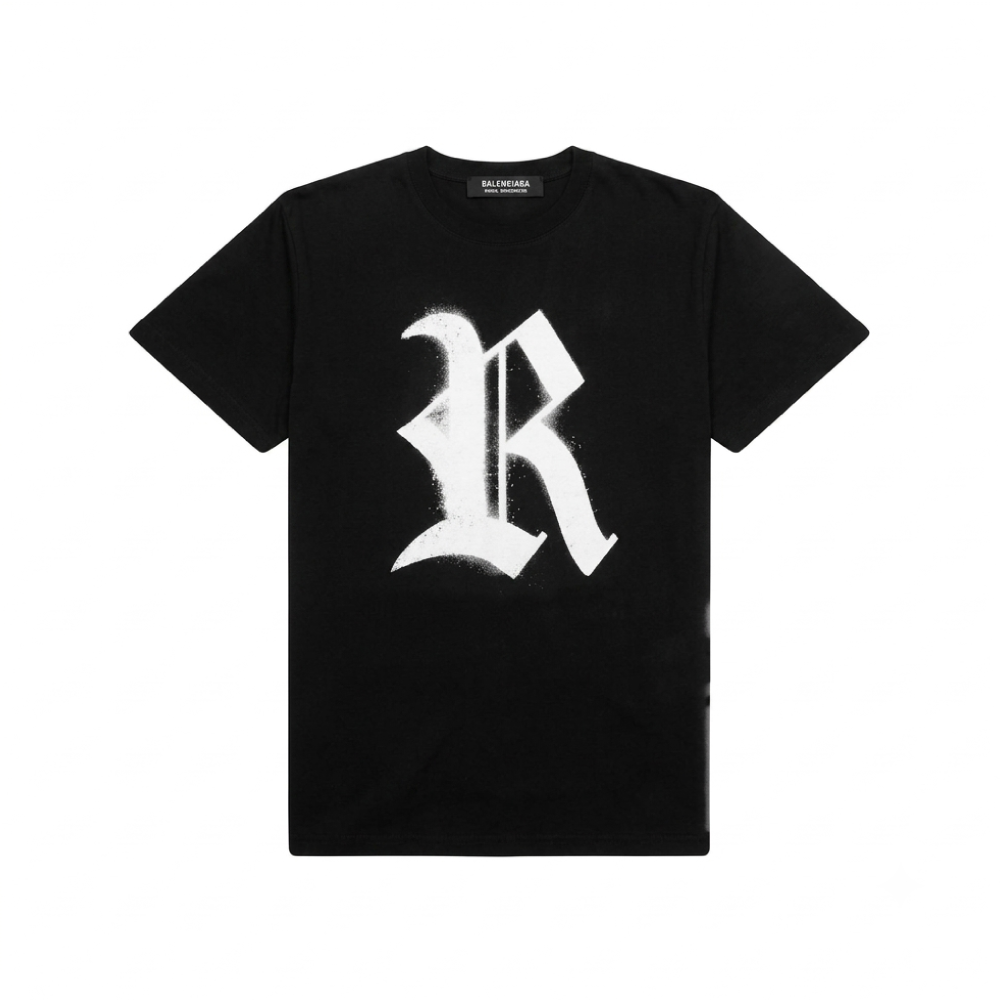
Introduction:
Ask ten people what makes a "good" hoodie and you'll get ten different answers: softness, price, brand, color. Almost none of them will mention the one detail that actually determines how a hoodie feels, drapes, and holds up over time: fabric weight. It's the single most overlooked spec on a product page, and it's also the most reliable way to predict whether a hoodie will still look good after twenty washes or start sagging and pilling within a month. If you're shopping for an oversized hoodie specifically, fabric weight matters even more, because the extra fabric involved in that relaxed cut either drapes beautifully or hangs shapelessly depending entirely on what it's made of the same structural difference that made designers like Raf Simons so deliberate about fabric choice when working with oversized proportions.
Fabric Weight, Explained Simply
Fabric weight is measured in GSM grams per square meter. It's a straightforward way to quantify how dense a piece of fleece actually is, independent of color, brand, or price. A higher GSM means more fiber packed into the same area, which translates to a thicker, heavier, more substantial fabric. A lower GSM means a thinner, lighter fabric that breathes more easily but offers less structure and warmth.
For hoodies specifically, GSM tends to fall into a few general categories:
-
Lightweight (180–260 GSM): Thin, breathable, better suited to layering in mild weather or warmer climates. Tends to feel less substantial and can look flat in an oversized cut.
-
Midweight (260–350 GSM): A balanced option that works across a wider range of temperatures, offering more structure than lightweight fabric without the bulk of heavier fleece.
-
Heavyweight (350–500+ GSM): Dense, warm, and durable, with enough substance to hold a proper drape even in a boxy, oversized silhouette. This range is generally considered the sweet spot for a genuinely "quality" oversized hoodie.
Why Weight Matters More in Oversized Cuts
A fitted hoodie doesn't need much structural integrity from its fabric because the cut itself does a lot of the shaping. An oversized hoodie doesn't have that advantage; the fabric has to hold its own shape across a much larger surface area, especially around the shoulders, sleeves, and hem. Thin fabric in an oversized cut tends to sag, cling in the wrong places, or look flat and shapeless rather than intentionally relaxed. Heavier fabric, by contrast, has enough body to hang with structure, which is exactly what gives a well-made oversized hoodie that clean, deliberate drape instead of a baggy, unfinished look.
This is also why so many designers associated with oversized silhouettes lean toward heavier fabric rather than lighter alternatives. Designers like Raf Simons have long used substantial, structured fabric in oversized pieces specifically because lighter material can't hold the same proportion or drape at scale. That design principle carried over into streetwear, and it's a big part of why heavier fleece became the standard for hoodies built around an intentionally oversized fit.
Beyond GSM: What Else Affects How Heavy a Hoodie Feels
GSM is the most reliable number to check, but it isn't the only factor influencing how substantial a hoodie feels:
-
Fiber composition. A 100% cotton fabric at a given GSM will often feel different from a cotton-polyester blend at the same GSM, since cotton tends to feel softer and heavier by hand, while polyester blends can feel slightly lighter and more resistant to shrinking.
-
Brushed interior finish. A brushed, napped inside lining adds a plush texture that can make a hoodie feel heavier and cozier than the GSM number alone would suggest.
-
Knit construction. Fleece can be knit more loosely or tightly at the same weight, which affects both how the fabric drapes and how durable it is over time.
Reading a full fabric description, when available, gives a more complete picture than GSM alone, though GSM remains the fastest single number to compare across different hoodies.
How to Judge Fabric Weight When Shopping Online
Since you can't physically touch fabric before buying online, a few strategies help estimate quality without guessing:
-
Check for a listed GSM. Reputable brands that use higher-quality fleece often list this number specifically because it's a selling point worth highlighting.
-
Read the fiber content. A cotton-heavy blend (80% cotton or more) generally signals a more substantial, higher-quality fabric than a heavily polyester-based blend.
-
Look at customer photos, not just brand photography. Real customer images often show how a hoodie actually drapes on different body types, which reveals more about fabric weight than a styled product shot.
-
Read reviews for specific languages. Reviews mentioning words like "thick," "substantial," or "holds its shape" are more useful indicators than generic five-star ratings.
Matching Fabric Weight to How You'll Wear It
The "best" fabric weight isn't universal; it depends on intended use. For everyday fall and winter wear, heavyweight fleece (350 GSM and up) offers the most warmth and the cleanest oversized drape. For layering under a jacket or wearing in milder climates, midweight fleece strikes a better balance without overheating. For warm-weather wear where an oversized silhouette is still desired, lightweight fleece or French terry keeps the look without the added heat, though it won't hold the same structured drape as heavier fabric.
A Quick Gut Check Before Buying
If a hoodie doesn't list GSM or fabric weight anywhere in its description, that's often a sign the brand isn't prioritizing that detail, which can be a useful red flag. Quality-focused brands, including many drawing on design lineage tied to figures like Raf Simons and the broader oversized silhouette movement he helped shape, tend to be transparent about fabric specs precisely because heavier, well-constructed fleece is part of what justifies the price and the fit.
Final Thoughts
Fabric weight isn't a minor spec buried in a product description, it's the foundation of how an oversized hoodie actually looks, feels, and holds up over time. Heavyweight fleece in the 350–500 GSM range generally delivers the best combination of warmth, durability, and structured drape for a genuinely oversized silhouette, while lighter weights suit warmer climates or more casual layering needs. Once you start checking GSM alongside fiber content and construction details, choosing a hoodie stops being a guessing game and starts being a much more informed decision.
Frequently Asked Questions
1. What GSM is considered ideal for an oversized hoodie?
Most quality oversized hoodies fall in the 350–500 GSM range, which offers enough structure and warmth to hold a proper drape without feeling stiff. Lighter weights under 260 GSM tend to look flatter and less intentional in an oversized cut.
2. Does higher GSM always mean better quality?
Not necessarily on its own. GSM is a strong indicator of substance and warmth, but fiber composition, knit construction, and finishing (like a brushed interior) also affect overall quality and feel.
3. Can I tell fabric weight from a product photo?
Not reliably from brand photography alone, but customer-submitted photos often reveal more about drape and thickness. Checking listed GSM and fiber content is a more accurate method than photos alone.
4. Is heavier fabric always warmer?
Generally yes, since denser fabric traps more heat, but breathability decreases as weight increases. Heavyweight fleece is best suited to cooler weather, while midweight options offer more year-round versatility.
5. What fabric weight works best for layering?
Midweight fleece, roughly 260–350 GSM, tends to layer most comfortably under jackets or over t-shirts without adding excessive bulk, making it a practical choice for transitional weather.
- Business
- Technology
- Finance
- Health
- Fashion
- Lifestyle
- Travel
- Food
- Education
- Real Estate
- Automobile
- Entertainment
- Sports
- Pets
- Home Decor
- Gardening
- Parenting
- Wedding
- Beauty
- Gaming
- Photography
- Music
- Movies
- News
- Politics
- Religion
- Astrology
- Law
- Insurance
- Jobs
- Freelancing
- Remote Work
- Blogging
- E-commerce
- WordPress
- OpenCart
- Social Media
- Graphic Design
- Web Design
- Programming
- Mobile Apps
- Artificial Intelligence
- SaaS
- Cyber Security
- Cloud Computing
- Hosting
- SEO
- Content Writing
- Email Marketing
- Affiliate Marketing
- YouTube
- Podcasting
- Interior Design
- DIY
- Crafts
- Art
- Architecture
- Environment
- Agriculture
- Animals
- Fishing
- Hunting
- Survival
- Outdoor
- Fitness
- Yoga
- Meditation
- Mental Health
- Skin Care
- Hair Care
- Makeup
- Jewelry
- Sarees
- Salwar Kameez
- Lehenga Choli
- Kurtis
- Men Fashion
- Women Fashion
- Kids Fashion
- Footwear
- Bags
- Watches
- Luxury
- Shopping
- Coupons
- Electronics
- Smartphones
- Laptops
- Tablets
- Cameras
- Home Appliances
- Kitchen
- Furniture
- Cleaning
- Baby Care
- Senior Care
- Relationships
- Self Improvement
- Motivation
- Quotes
- Festivals
- Events
- Careers
- Remote Work
- Productivity
- Wholesale
- Manufacturing
- Import Export
- Logistics
- Supply Chain
- Human Resources
- Customer Service
