
Chemical Formula for Aluminum Sulfide: Complete Guide
The chemical formula for aluminum sulfide is Al₂S₃, a compound formed by combining aluminum and sulfur in a fixed ratio. This inorganic compound is widely studied in chemistry because of its unique properties and its reaction with water. Aluminum sulfide plays an important role in laboratory experiments, chemical manufacturing, and educational studies. Understanding its formula, molecular structure, physical properties, and chemical behavior helps students, researchers, and professionals gain a deeper understanding of inorganic chemistry. In this article, we will explore everything about the chemical formula for aluminum sulfide, including its composition, preparation, uses, reactions, safety precautions, and frequently asked questions.
What Is the Chemical Formula for Aluminum Sulfide?
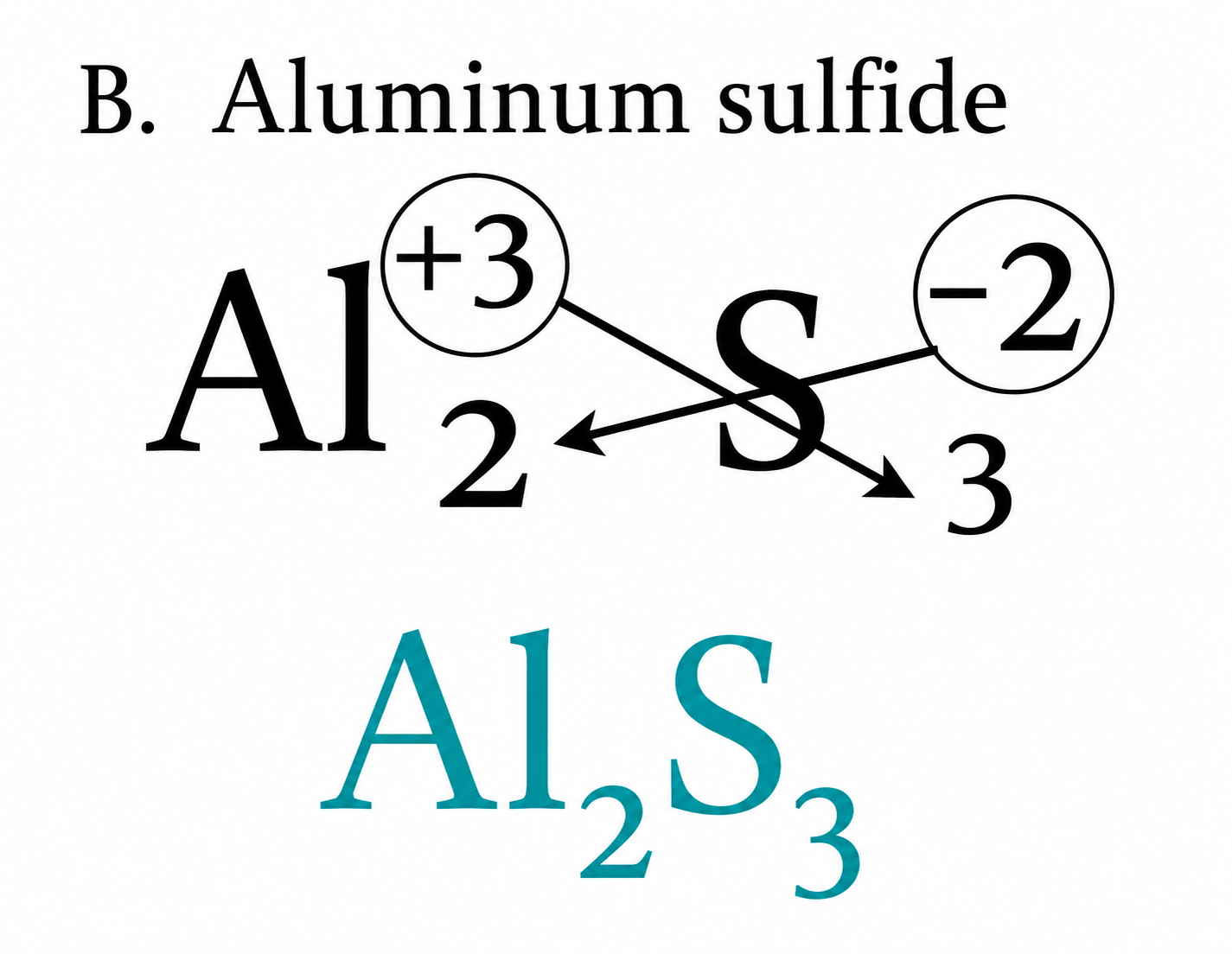
The chemical formula for aluminum sulfide is Al₂S₃. This formula indicates that the compound contains two aluminum (Al) atoms and three sulfur (S) atoms. Aluminum forms a +3 ion (Al³⁺), while sulfur forms a -2 ion (S²⁻). To balance the electrical charges and create a neutral compound, two aluminum ions combine with three sulfide ions. The formula Al₂S₃ represents this balanced ionic relationship. It is commonly used in chemistry textbooks, laboratories, and industrial references because it accurately describes the composition of aluminum sulfide.
How Aluminum Sulfide Is Formed
Aluminum sulfide is formed through a direct chemical reaction between aluminum metal and sulfur when heated to high temperatures. During this reaction, aluminum atoms lose electrons, becoming positively charged ions, while sulfur atoms gain electrons to become negatively charged sulfide ions. These ions bond together through ionic attraction, producing aluminum sulfide. The balanced chemical equation is:
2Al + 3S → Al₂S₃
This reaction is exothermic, meaning it releases heat. Proper laboratory conditions and safety precautions are necessary because the reaction can be vigorous and produces a stable ionic compound suitable for various scientific applications.
Molecular Structure of Aluminum Sulfide
The structure of aluminum sulfide consists of aluminum cations and sulfide anions arranged in a crystalline lattice. Unlike molecules with covalent bonds, aluminum sulfide exists as an extended ionic network. Each aluminum ion is surrounded by sulfur ions, and each sulfur ion interacts with aluminum ions, creating a strong crystal structure. This arrangement contributes to its relatively high melting point and solid-state stability. The ionic lattice also explains why aluminum sulfide behaves differently from many molecular compounds, especially when it reacts with water.
Physical Properties of Aluminum Sulfide
Aluminum sulfide appears as a grayish-white to yellowish crystalline solid. It has a molar mass of approximately 150.16 g/mol and is generally odorless when dry. However, exposure to moisture causes it to release hydrogen sulfide gas, which has the characteristic smell of rotten eggs. Aluminum sulfide has a relatively high melting point and is insoluble in most organic solvents. Because it reacts quickly with water, it must be stored in airtight containers to prevent decomposition. These physical characteristics make aluminum sulfide a compound that requires careful handling in both laboratories and industrial settings.
Chemical Properties of Aluminum Sulfide
One of the most important chemical properties of aluminum sulfide is its strong reaction with water. Instead of simply dissolving, it undergoes hydrolysis to produce aluminum hydroxide and hydrogen sulfide gas. The reaction is represented as:
Al₂S₃ + 6H₂O → 2Al(OH)₃ + 3H₂S
Hydrogen sulfide is toxic and flammable, making this reaction significant from both a safety and environmental perspective. Aluminum sulfide also reacts with acids and can participate in various inorganic chemical processes. These reactions demonstrate why understanding the chemical behavior of aluminum sulfide is essential for safe laboratory practice.
Why the Formula Is Al₂S₃
Many students wonder why the chemical formula for aluminum sulfide is Al₂S₃ instead of AlS or another simpler formula. The answer lies in ionic charge balance. Aluminum forms Al³⁺ ions, while sulfur forms S²⁻ ions. The smallest ratio that balances these charges is two aluminum ions (+6 total charge) and three sulfide ions (-6 total charge). Since the total positive and negative charges cancel each other out, the resulting neutral compound has the formula Al₂S₃. This follows the basic rules used to write formulas for ionic compounds.
Common Uses of Aluminum Sulfide
Although aluminum sulfide is not as widely used as many other aluminum compounds, it has several important applications. It is primarily used in chemical research and laboratory experiments to study ionic compounds and hydrolysis reactions. It also serves as a starting material for preparing other sulfur-containing chemicals. Researchers use aluminum sulfide to understand reaction mechanisms, crystal structures, and inorganic synthesis. In educational laboratories, it provides students with practical examples of ionic bonding, stoichiometry, and chemical reactions involving sulfides.
Industrial Significance
Industries that specialize in inorganic chemicals may use aluminum sulfide as an intermediate during manufacturing processes. Although it is not produced in the same large quantities as aluminum oxide or aluminum sulfate, it remains valuable for specialized chemical synthesis. Scientists also investigate aluminum sulfide for advanced materials research because of its unique electronic and structural properties. Its industrial significance continues to grow as new technologies explore the applications of sulfide-based materials in various scientific fields.
Safety Precautions When Handling Aluminum Sulfide
Safety is extremely important when working with aluminum sulfide because it reacts with moisture to release hydrogen sulfide gas. This gas is poisonous, irritating, and flammable. Therefore, aluminum sulfide should always be handled in a dry, well-ventilated laboratory while wearing protective gloves, safety goggles, and appropriate clothing. Containers should remain tightly sealed and stored away from water and humid environments. Emergency procedures should be in place whenever aluminum sulfide is used to minimize potential exposure to hazardous gases.
Difference Between Aluminum Sulfide and Aluminum Sulfate
People often confuse aluminum sulfide with aluminum sulfate because their names are similar, but they are entirely different compounds. Aluminum sulfide has the formula Al₂S₃ and reacts vigorously with water to release hydrogen sulfide gas. Aluminum sulfate has the formula Al₂(SO₄)₃ and is commonly used in water treatment, paper manufacturing, and textile processing. The sulfate compound is much more stable in water, whereas aluminum sulfide decomposes rapidly. Understanding this distinction helps prevent confusion in chemistry studies and industrial applications.
Importance in Chemistry Education
The chemical formula for aluminum sulfide is frequently taught in chemistry because it illustrates several important concepts, including ionic bonding, oxidation states, charge balancing, and chemical reactions. Students learn how ions combine to form neutral compounds and how formulas are determined from ionic charges. Aluminum sulfide also provides an excellent example of hydrolysis, making it useful for demonstrating how certain ionic compounds react differently from ordinary salts when exposed to water.
Frequently Asked Questions
Many learners ask whether aluminum sulfide dissolves in water. The answer is no; instead of dissolving, it reacts chemically to produce aluminum hydroxide and hydrogen sulfide gas. Another common question concerns its color, which typically ranges from grayish-white to pale yellow depending on purity. Students also ask why it smells unpleasant after exposure to moisture, and the reason is the formation of hydrogen sulfide gas. These frequently asked questions help clarify the most important characteristics of aluminum sulfide and reinforce the significance of its chemical formula.
Conclusion
The chemical formula for aluminum sulfide is Al₂S₃, representing two aluminum atoms combined with three sulfur atoms to create a neutral ionic compound. This compound is well known for its ionic crystal structure, distinctive chemical properties, and rapid reaction with water. It serves as an important educational example for understanding ionic bonding, charge balancing, and hydrolysis while also finding specialized applications in research and chemical manufacturing. By learning its formula, properties, uses, and safety considerations, students and professionals gain valuable insight into one of the most interesting compounds in inorganic chemistry. Whether you are preparing for an examination or conducting laboratory research, understanding the chemical formula for aluminum sulfide provides a strong foundation in chemical science.
- Business
- Technology
- Finance
- Health
- Fashion
- Lifestyle
- Travel
- Food
- Education
- Real Estate
- Automobile
- Entertainment
- Sports
- Pets
- Home Decor
- Gardening
- Parenting
- Wedding
- Beauty
- Gaming
- Photography
- Music
- Movies
- News
- Politics
- Religion
- Astrology
- Law
- Insurance
- Jobs
- Freelancing
- Remote Work
- Blogging
- E-commerce
- WordPress
- OpenCart
- Social Media
- Graphic Design
- Web Design
- Programming
- Mobile Apps
- Artificial Intelligence
- SaaS
- Cyber Security
- Cloud Computing
- Hosting
- SEO
- Content Writing
- Email Marketing
- Affiliate Marketing
- YouTube
- Podcasting
- Interior Design
- DIY
- Crafts
- Art
- Architecture
- Environment
- Agriculture
- Animals
- Fishing
- Hunting
- Survival
- Outdoor
- Fitness
- Yoga
- Meditation
- Mental Health
- Skin Care
- Hair Care
- Makeup
- Jewelry
- Sarees
- Salwar Kameez
- Lehenga Choli
- Kurtis
- Men Fashion
- Women Fashion
- Kids Fashion
- Footwear
- Bags
- Watches
- Luxury
- Shopping
- Coupons
- Electronics
- Smartphones
- Laptops
- Tablets
- Cameras
- Home Appliances
- Kitchen
- Furniture
- Cleaning
- Baby Care
- Senior Care
- Relationships
- Self Improvement
- Motivation
- Quotes
- Festivals
- Events
- Careers
- Remote Work
- Productivity
- Wholesale
- Manufacturing
- Import Export
- Logistics
- Supply Chain
- Human Resources
- Customer Service
