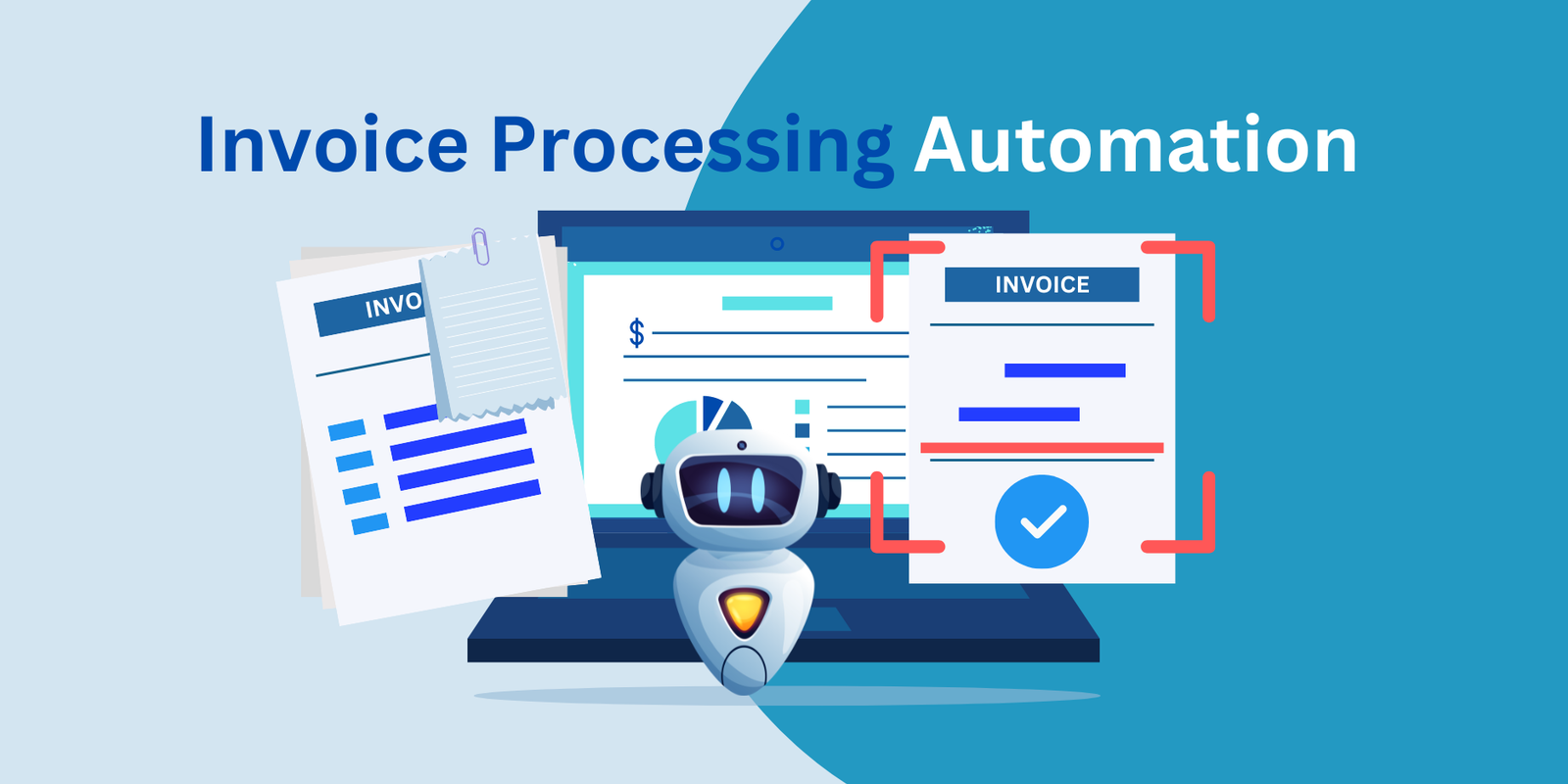
Businesses today are under constant pressure to improve efficiency, reduce operational costs, and maintain accurate financial records. One area that often creates unnecessary delays is invoice management. Traditional paper-based processes require significant manual effort, increasing the likelihood of errors, misplaced documents, and slow approval cycles.
Digital invoice management offers a smarter approach by replacing manual tasks with streamlined workflows and intelligent automation. By digitizing invoice handling, businesses can accelerate payment processes, strengthen financial control, and improve productivity across departments. As organizations continue their digital transformation journey, modern invoice management solutions have become an essential part of efficient financial operations.
What Is Digital Invoice Management?
Digital invoice management is the process of capturing, organizing, approving, storing, and tracking invoices electronically rather than relying on paper documents. It uses modern technologies to simplify invoice handling, improve visibility, and reduce manual work throughout the accounts payable process. Many organizations adopt an automated invoice processing system to eliminate repetitive administrative tasks, improve data accuracy, and ensure invoices move through approval workflows quickly and efficiently.
Unlike manual processes, digital invoice management centralizes financial documents in a secure platform, making it easier for finance teams to access information, monitor payment status, and maintain accurate records.
Common Challenges of Manual Invoice Processing
Time-Consuming Data Entry
Manual invoice processing requires employees to enter invoice details individually into accounting systems. This repetitive work consumes valuable time that could be spent on more strategic financial activities.
As invoice volumes increase, manual entry creates processing bottlenecks that slow payment cycles and reduce overall productivity.
Human Errors
Manual data entry increases the risk of duplicate invoices, incorrect payment amounts, missing information, and calculation mistakes.
Even small errors can result in delayed payments, vendor disputes, compliance issues, and additional administrative work to resolve discrepancies.
Delayed Approvals
Paper invoices often pass through multiple departments before receiving approval. Lost paperwork, unavailable approvers, and inconsistent communication frequently delay payment processing.
Long approval cycles may also cause businesses to miss early payment discounts or damage supplier relationships due to late payments.
Limited Visibility
Traditional invoice management provides limited visibility into invoice status. Finance teams often struggle to determine whether invoices have been received, approved, or scheduled for payment.
This lack of transparency makes financial planning more difficult while increasing the risk of misplaced or forgotten invoices.
How Digital Invoice Management Improves Business Efficiency
Faster Invoice Processing
Digital solutions dramatically reduce invoice processing time by automatically capturing invoice data and routing documents through predefined approval workflows.
An automated invoice processing system minimizes manual intervention, allowing invoices to move from receipt to approval much faster. Finance teams can process larger invoice volumes without increasing administrative workloads, resulting in improved operational efficiency.
Improved Accuracy
Modern invoice management software uses technologies such as Optical Character Recognition (OCR) and artificial intelligence to extract invoice information accurately.
Automated validation checks help identify missing data, duplicate invoices, and inconsistencies before payments are processed. This reduces costly errors while improving record accuracy and financial reporting.
Better Workflow Automation
Digital invoice management enables businesses to automate approval routing based on department, invoice amount, supplier, or business rules.
Automatic notifications and reminders ensure approvers review invoices promptly, reducing delays and improving collaboration between finance teams and department managers.
Customizable workflows also simplify policy enforcement while maintaining consistency across the entire accounts payable process.
Enhanced Financial Visibility
Digital dashboards provide real-time insights into invoice status, outstanding payments, approval timelines, and cash flow.
Managers gain immediate access to financial information, enabling better forecasting, budgeting, and decision-making. Greater visibility also improves vendor communication by providing accurate payment updates whenever needed.
Stronger Compliance and Security
Electronic invoice management improves document security through encrypted storage, role-based access controls, and automated audit trails.
Every invoice action is recorded, making regulatory compliance easier while supporting internal audits. Secure digital records also reduce the risk of document loss compared to paper filing systems.
Industries That Benefit from Digital Invoice Management
Manufacturing
Manufacturing companies process large numbers of supplier invoices every day. Digital invoice management simplifies purchase order matching, invoice verification, and vendor payment processing while improving financial accuracy.
Retail and E-commerce
Retail businesses manage invoices from multiple suppliers, distributors, and logistics providers. Digital workflows accelerate approvals while helping finance teams handle high transaction volumes efficiently.
Healthcare
Healthcare organizations rely on accurate invoice management for medical supplies, pharmaceutical purchases, and equipment procurement. Digital systems improve compliance while reducing administrative workloads.
Logistics and Transportation
Transportation companies regularly process freight invoices, carrier payments, and operational expenses. Automated workflows improve billing accuracy while accelerating vendor payments and reducing disputes.
Professional Services
Consulting firms, legal practices, engineering companies, and other professional service providers benefit from improved invoice tracking, client billing, expense management, and financial reporting through digital invoice management.
Best Practices for Successful Implementation
Implementing digital invoice management begins with evaluating your organization's existing financial workflows and identifying areas where automation can provide the greatest value.
Choose scalable software that integrates seamlessly with existing accounting or ERP systems. Integration eliminates duplicate data entry while improving operational consistency.
Employee training is equally important. Staff should understand how to use new workflows, approval procedures, and reporting tools effectively.
Regularly monitor key performance indicators such as invoice processing time, approval speed, error rates, and payment accuracy. Continuous evaluation allows businesses to optimize workflows and maximize return on investment.
Future Trends in Digital Invoice Management
Technology continues to reshape financial operations through artificial intelligence, machine learning, and cloud-based platforms.
AI-powered invoice recognition is becoming increasingly accurate, while machine learning improves approval recommendations and fraud detection. Cloud-based financial systems allow finance teams to manage invoices securely from any location.
Predictive analytics also helps businesses forecast cash flow, optimize payment schedules, and improve supplier relationships. Organizations investing in an automated invoice processing system today will be better positioned to benefit from these emerging technologies as financial operations continue to evolve.
Conclusion
Digital invoice management has become an essential tool for businesses seeking greater efficiency, accuracy, and financial control. By replacing manual processes with intelligent automation, organizations can accelerate invoice approvals, reduce costly errors, improve compliance, and gain real-time visibility into financial operations.
As businesses continue embracing digital transformation, investing in modern invoice management solutions will not only streamline accounts payable processes but also strengthen cash flow management, improve supplier relationships, and support sustainable long-term growth.