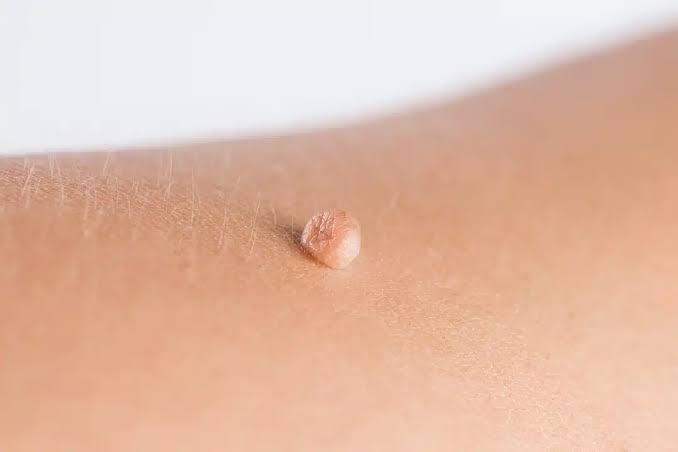
Warts are one of the most common skin conditions that can affect people of all ages. Although they are usually harmless, many individuals worry about whether warts can spread to others or appear in new areas of the body. Understanding how warts develop, how they are transmitted, and the best ways to prevent them can help protect your skin health. For individuals seeking professional solutions, Wart Removal Riyadh provides access to advanced dermatological treatments that can safely target unwanted warts and help restore smoother-looking skin. Learning about wart transmission and treatment options is an important step toward managing this common concern effectively.
What Are Warts and Why Do They Develop:
Warts are small skin growths caused by certain strains of the human papillomavirus (HPV). When HPV enters the outer layer of the skin through small cuts, scratches, or weakened areas, it causes skin cells to grow rapidly, forming a visible bump. Warts can appear on different parts of the body, including the hands, feet, face, and other areas.
Although warts are not usually dangerous, they can be frustrating because they may take a long time to disappear and can sometimes spread. The immune system plays an important role in controlling HPV, which is why some people develop only a few warts while others experience repeated growths.
Common characteristics of warts include:
- Rough or uneven skin texture
- Raised growths on the skin surface
- Flesh-colored, gray, or slightly darker appearance
- Slow development over time
- Possible appearance in groups
Understanding the cause of warts helps explain why they can spread and why proper prevention is important.
Are Warts Contagious and How Do They Spread:
Yes, warts are contagious because they are caused by a virus that can transfer from one person to another. However, the risk of transmission varies depending on the type of wart, the level of exposure, and the condition of the skin.
Warts can spread through:
- Direct skin-to-skin contact with an infected person
- Touching objects or surfaces contaminated with HPV
- Sharing personal items such as towels, razors, or nail tools
- Scratching or picking an existing wart and transferring the virus to another area
- Walking barefoot in shared wet environments
The virus enters more easily through damaged skin, so people with cuts, scratches, or irritated areas may have a higher chance of developing warts after exposure.
It is also important to understand that simply touching a wart does not always result in infection. The immune response, skin condition, and type of HPV involved all influence whether a wart develops.
Can Warts Spread From One Body Part to Another:
Warts can spread from one area of the body to another through a process called autoinoculation. This occurs when the virus from an existing wart is transferred to another part of the skin.
Common ways this may happen include:
- Scratching or picking at a wart
- Biting nails near finger warts
- Shaving over areas with warts
- Touching a wart and then touching another area of the body
To reduce the chance of spreading warts, it is recommended to avoid irritating or damaging existing growths. Keeping the affected area covered when appropriate and practicing good hygiene can also help minimize transmission.
Different Types of Warts and Their Spread Risk:
Warts come in different forms, and each type may spread differently depending on its location and cause.
The most common types include:
- Common warts: Usually found on hands and fingers. They can spread through direct contact or shared items.
- Plantar warts: Appear on the soles of the feet and may spread in warm, moist environments such as pools and locker rooms.
- Flat warts: Smaller and smoother growths that often occur in larger numbers, especially on the face or arms.
- Filiform warts: Thin growths commonly found around facial areas and may spread through irritation or contact.
- Genital warts: Associated with specific HPV strains and require specialized medical care.
Identifying the type of wart is important because treatment and prevention strategies may differ.
How to Prevent Warts From Spreading:
Preventing wart transmission involves reducing contact with HPV and protecting the skin from exposure. While it is not always possible to avoid the virus completely, healthy habits can significantly lower the risk.
Effective prevention methods include:
- Avoid touching or picking at existing warts
- Do not share personal items such as towels or razors
- Keep hands clean and dry
- Cover warts when participating in activities involving close contact
- Wear footwear in public showers and swimming areas
- Avoid biting nails or damaging the skin around them
- Clean and protect cuts or scratches promptly
These simple precautions can help prevent the virus from spreading to other people or different areas of your own skin.
When Should You Consider Warts Removal Treatment:
Some warts disappear naturally as the immune system fights HPV, but others may remain for months or years. Treatment may be recommended when warts cause discomfort, spread quickly, or affect confidence.
Professional removal may be beneficial if:
- The wart is painful or irritating
- Warts continue multiplying
- The growth changes in appearance
- Home treatments have not worked
- The wart appears in a sensitive area
- You want faster cosmetic improvement
A dermatologist can evaluate the wart and recommend a treatment option based on its type, location, and severity.
Effective Warts Removal Options Available:
Modern dermatology provides several safe and effective methods for removing persistent warts. The recommended approach depends on the individual case and the response of the skin to previous treatments.
Common treatment options include:
- Cryotherapy: Uses liquid nitrogen to freeze and destroy wart tissue.
- Laser treatment: Targets wart cells with controlled laser energy and may be suitable for difficult cases.
- Electrosurgery: Uses electrical energy to remove unwanted tissue.
- Topical medications: Prescription treatments that gradually remove wart layers or stimulate immune activity.
- Surgical removal: A minor procedure used for selected cases.
Professional treatment provides better control and reduces the risk of damaging healthy skin.
Why Professional Wart Removal Is Recommended:
Although over-the-counter products and home remedies are widely available, professional care offers important advantages. A dermatologist can confirm that the growth is actually a wart and choose the safest removal method.
Benefits of professional treatment include:
- Accurate diagnosis
- Customized treatment planning
- Access to advanced procedures
- Reduced risk of complications
- Guidance on aftercare and prevention
- Better management of recurring warts
Seeking expert care can improve treatment results and support healthier skin.
What to Expect After Warts Removal:
After treatment, the skin may require time to heal depending on the procedure used. Proper aftercare helps support recovery and reduces the chance of irritation.
Post-treatment recommendations may include:
- Keeping the treated area clean
- Avoiding scratching or removing healing skin
- Following prescribed care instructions
- Protecting the area from excessive sun exposure
- Monitoring for signs of recurrence
Following professional advice helps maintain treatment results and supports long-term skin health.
Final Thoughts:
Warts are contagious skin growths caused by HPV, and they can spread through direct contact, contaminated surfaces, or transfer from one area of the body to another. Understanding how warts spread and how to prevent transmission can help reduce their impact. When persistent or bothersome warts require treatment, professional solutions can provide safe and effective results. With advanced dermatological care, Wart Removal Riyadh helps individuals address unwanted warts while improving skin appearance and confidence through personalized treatment options.