
HIFU vs RF (Radiofrequency): Which Is More Effective?
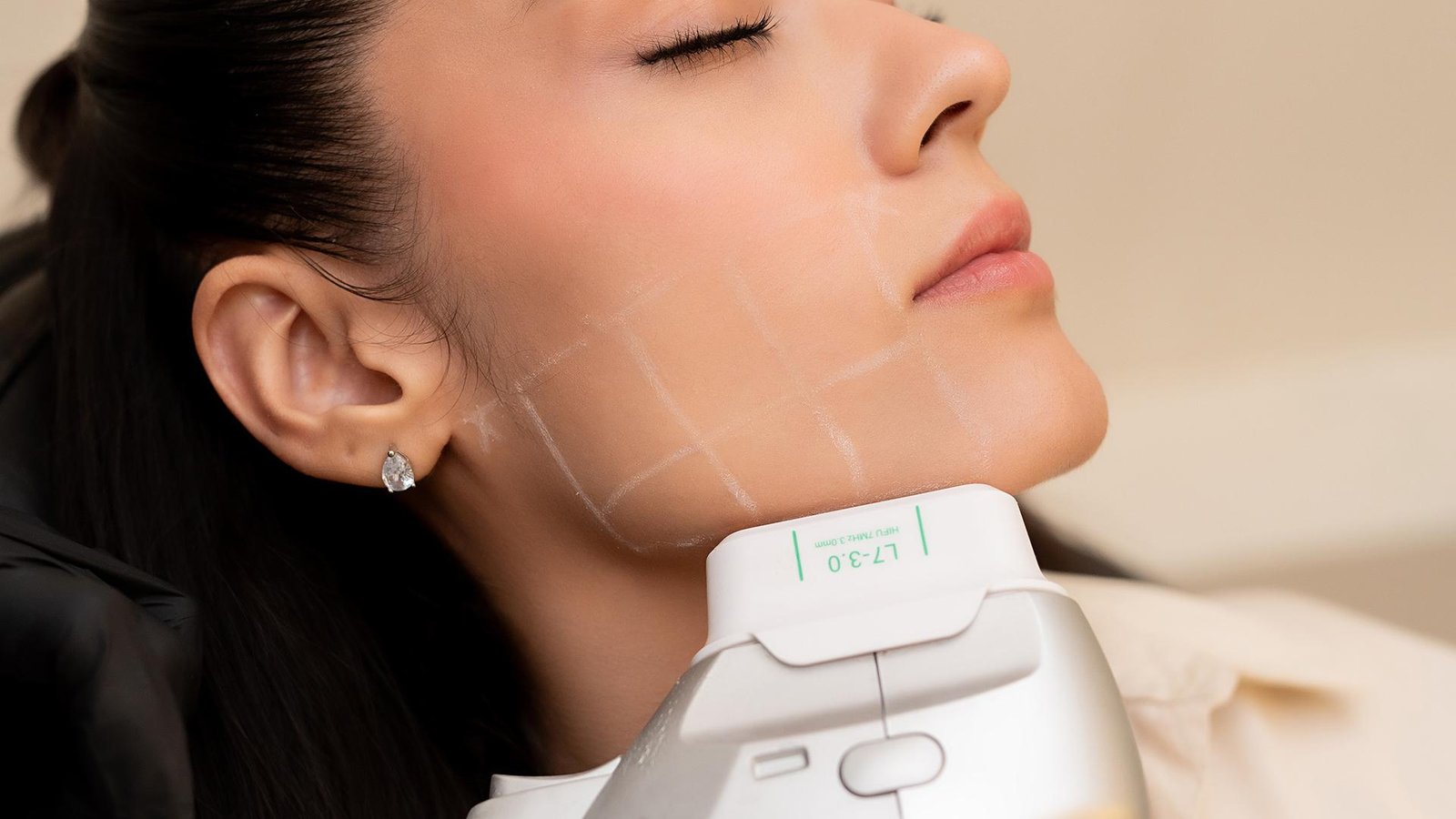
HIFU vs RF (Radiofrequency) are two of the most popular non-surgical skin tightening technologies used today for lifting, firming, and rejuvenating aging skin. Many people searching for advanced aesthetic solutions often come across HIFU Treatment Riyadh, especially when looking for long-lasting facial lifting without surgery or downtime. Both treatments promise youthful, tighter skin, but they work in very different ways and deliver distinct results depending on skin type, age, and treatment goals. Understanding the differences between these two technologies is essential before choosing the right option for skin tightening, wrinkle reduction, and overall facial rejuvenation.
What is HIFU?
HIFU (High-Intensity Focused Ultrasound) is a non-invasive treatment that uses ultrasound energy to target the deeper structural layers of the skin, including the SMAS layer, which is typically addressed in surgical facelifts. It stimulates collagen production at a deeper level, leading to gradual lifting and tightening effects.
HIFU is often chosen for its ability to deliver long-lasting lifting results without needles or incisions. Key features include:
- Targets deep skin layers for structural lifting
- Stimulates natural collagen regeneration
- Best suited for sagging skin around jawline, cheeks, and neck
- Results improve gradually over 2–3 months
Because of its deeper penetration, HIFU is generally considered more of a lifting procedure rather than a surface-level skin treatment. Many patients considering HIFU Treatment Riyadh prefer it for its natural-looking and long-term tightening effects.
What is RF (Radiofrequency)?
Radiofrequency (RF) treatment uses controlled heat energy to warm the superficial and mid-layers of the skin. This heat stimulates collagen and elastin production, improving skin texture, firmness, and mild to moderate laxity.
Unlike HIFU, RF focuses more on surface rejuvenation and skin quality improvement rather than deep structural lifting. Its benefits include:
- Improves skin texture and smoothness
- Reduces fine lines and early wrinkles
- Enhances skin firmness and elasticity
- Safe for all skin types with minimal discomfort
RF treatments are often recommended for younger patients or those with early signs of aging who want gradual improvement in skin tone and texture without aggressive lifting.
Key Differences Between HIFU and RF:
Although both treatments aim to tighten the skin, their technology, depth of action, and results differ significantly. HIFU works deeper, while RF works more superficially, making each suitable for different concerns.
The main differences include:
- Depth of treatment:
- HIFU targets deep SMAS layer
- RF targets superficial and mid-dermis
- Primary goal:
- HIFU focuses on lifting and contouring
- RF focuses on tightening and smoothing skin texture
- Results timeline:
- HIFU results appear gradually over months
- RF results are more immediate but require multiple sessions
- Treatment sensation:
- HIFU may feel deeper and slightly uncomfortable
- RF is generally warm and relaxing
In terms of technology, HIFU provides a more structural lift, while RF enhances skin quality and surface appearance.
Effectiveness: Which One Works Better?
When comparing effectiveness, the answer depends on the patient’s skin condition and expectations. HIFU is generally more effective for lifting sagging skin and redefining facial contours, especially in areas like the jawline and neck. RF, on the other hand, is more effective for improving fine lines, mild skin laxity, and overall glow.
To break it down:
- HIFU is more effective for:
- Moderate to advanced skin sagging
- Jawline definition
- Deep tissue lifting
- RF is more effective for:
- Early aging signs
- Skin tightening and smoothing
- Improving skin texture and radiance
In many advanced aesthetic plans, both technologies may even be combined to achieve layered rejuvenation—HIFU for lifting and RF for surface refinement. Patients seeking HIFU Treatment Riyadh often choose it when lifting is the primary concern, while RF is added for skin polishing and maintenance.
Safety, Downtime, and Suitability:
Both HIFU and RF are considered safe non-invasive procedures, but they differ in comfort level and recovery experience. Neither requires surgical downtime, making them popular choices for busy individuals.
Key safety and suitability points include:
- HIFU:
- Mild discomfort during deeper energy delivery
- Slight redness or swelling may occur temporarily
- Best for individuals with moderate skin laxity
- RF:
- Generally painless and relaxing
- Minimal to no side effects
- Suitable for all skin types and younger patients
Both treatments are FDA-approved in many systems and are widely used in modern aesthetic clinics for facial rejuvenation without surgery.
Choosing Between HIFU and RF:
Selecting between HIFU and RF depends on your skin condition, age, and aesthetic goals. If the main concern is sagging skin and loss of facial contour, HIFU is usually the preferred option. If the goal is smoother, brighter, and more youthful-looking skin, RF is often recommended.
Consider the following when choosing:
- Choose HIFU if:
- You want noticeable lifting effects
- You have sagging skin around jawline or cheeks
- You prefer fewer sessions with long-term results
- Choose RF if:
- You want gradual skin improvement
- You have early signs of aging
- You prefer a comfortable, maintenance-based treatment
In some cases, combining both treatments offers the most comprehensive anti-aging solution, addressing both deep structural support and surface rejuvenation.
Final Thoughts
HIFU and RF are both effective non-surgical skin tightening treatments, but they serve different purposes in aesthetic medicine. HIFU is best for deep lifting and contouring, making it ideal for those with more visible sagging, while RF focuses on improving skin texture, elasticity, and early aging signs. The choice ultimately depends on individual skin needs and desired outcomes. For those exploring advanced skin tightening solutions like HIFU Treatment Riyadh, understanding these differences helps ensure more realistic expectations and better long-term results. In many modern cosmetic approaches, combining both technologies can deliver a more balanced, youthful, and naturally rejuvenated appearance.
- Business
- Technology
- Finance
- Health
- Fashion
- Lifestyle
- Travel
- Food
- Education
- Real Estate
- Automobile
- Entertainment
- Sports
- Pets
- Home Decor
- Gardening
- Parenting
- Wedding
- Beauty
- Gaming
- Photography
- Music
- Movies
- News
- Politics
- Religion
- Astrology
- Law
- Insurance
- Jobs
- Freelancing
- Remote Work
- Blogging
- E-commerce
- WordPress
- OpenCart
- Social Media
- Graphic Design
- Web Design
- Programming
- Mobile Apps
- Artificial Intelligence
- SaaS
- Cyber Security
- Cloud Computing
- Hosting
- SEO
- Content Writing
- Email Marketing
- Affiliate Marketing
- YouTube
- Podcasting
- Interior Design
- DIY
- Crafts
- Art
- Architecture
- Environment
- Agriculture
- Animals
- Fishing
- Hunting
- Survival
- Outdoor
- Fitness
- Yoga
- Meditation
- Mental Health
- Skin Care
- Hair Care
- Makeup
- Jewelry
- Sarees
- Salwar Kameez
- Lehenga Choli
- Kurtis
- Men Fashion
- Women Fashion
- Kids Fashion
- Footwear
- Bags
- Watches
- Luxury
- Shopping
- Coupons
- Electronics
- Smartphones
- Laptops
- Tablets
- Cameras
- Home Appliances
- Kitchen
- Furniture
- Cleaning
- Baby Care
- Senior Care
- Relationships
- Self Improvement
- Motivation
- Quotes
- Festivals
- Events
- Careers
- Remote Work
- Productivity
- Wholesale
- Manufacturing
- Import Export
- Logistics
- Supply Chain
- Human Resources
- Customer Service
