
The Manufacturing Strategy Helping Companies Stay Ahead of Global Disruptions
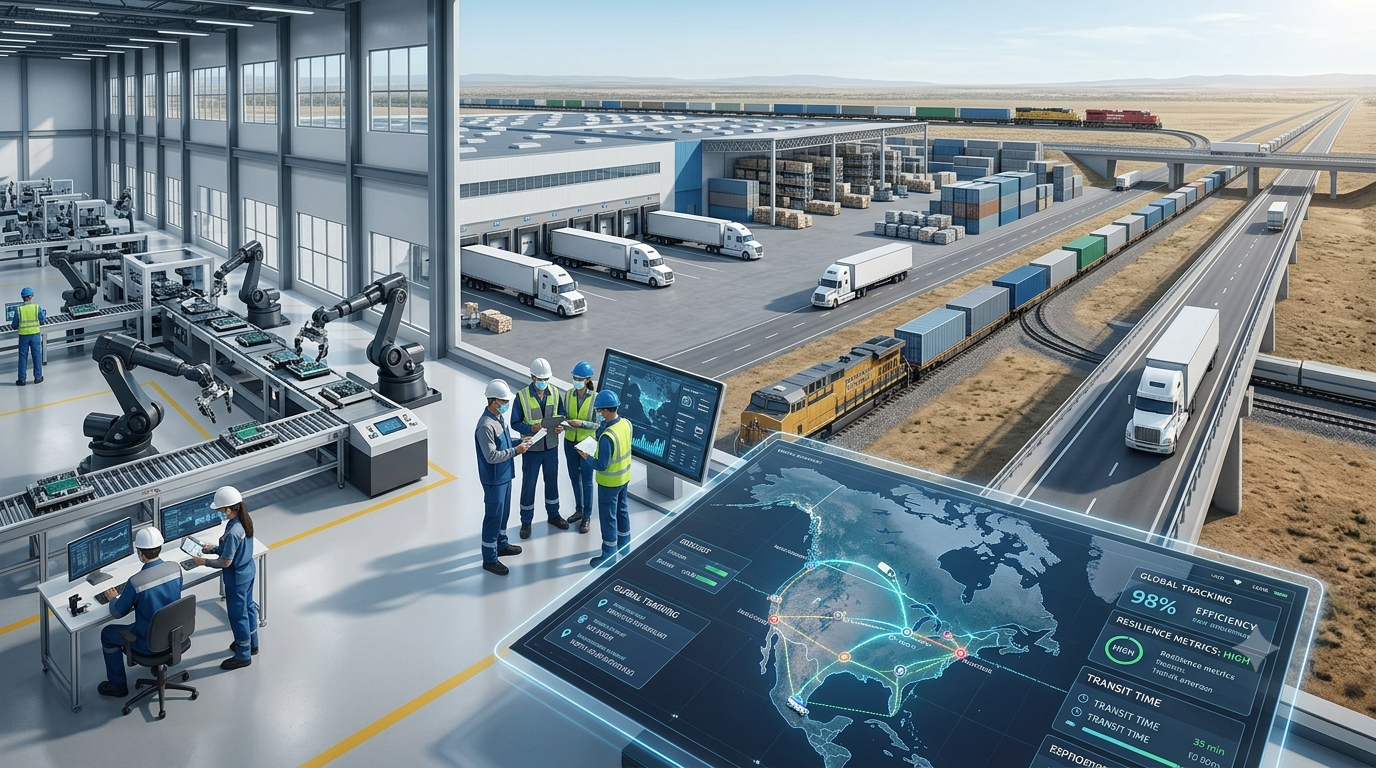
Global manufacturing has always been influenced by changing economic conditions, trade policies, and customer demand. However, recent years have shown just how quickly unexpected events can disrupt even the most established supply chains. Shipping delays, raw material shortages, rising transportation costs, labor challenges, and geopolitical uncertainty have forced businesses to rethink the way they manufacture and deliver products.
Instead of simply reacting to disruptions, leading companies are adopting manufacturing strategies designed to improve resilience, flexibility, and efficiency. They understand that long-term success depends on building operations that can adapt to changing conditions without sacrificing quality or customer satisfaction.
One approach gaining widespread attention is strengthening the Mexico supply chain, allowing businesses to reduce risk while creating a faster and more reliable manufacturing network.
Why Traditional Manufacturing Models Are Being Reconsidered
For decades, many companies relied on overseas production because it offered lower labor costs and access to large manufacturing hubs. While this model provided financial benefits, it also introduced significant challenges.
Long shipping routes increased delivery times, inventory requirements, and transportation expenses. Businesses often had limited visibility into production and fewer opportunities to respond quickly when disruptions occurred.
Recent global events exposed these weaknesses, encouraging manufacturers to explore production strategies that offer greater control and operational stability.
Today, resilience has become just as important as cost savings.
Building a More Flexible Manufacturing Network
Modern manufacturing requires flexibility.
Customer demand can change overnight, transportation routes can become congested, and supply availability may shift unexpectedly. Companies that can quickly adjust production schedules and logistics plans are far better equipped to maintain consistent operations.
A flexible manufacturing strategy allows organizations to:
- Respond faster to market changes
- Reduce production delays
- Improve inventory management
- Minimize operational risk
- Maintain reliable customer deliveries
Rather than depending on a single production location, businesses are creating diversified manufacturing networks capable of adapting to changing conditions.
The Importance of Regional Manufacturing
One of the biggest trends in today's manufacturing industry is moving production closer to major customer markets.
Regional manufacturing helps businesses shorten transportation distances while improving communication between suppliers, manufacturers, and logistics providers.
A stronger Mexico supply chain enables companies serving North America to reduce transit times, simplify logistics, and increase overall supply chain visibility.
Instead of waiting weeks for products to arrive from overseas, organizations can deliver goods more efficiently while responding faster to customer demand.
This increased agility provides a valuable competitive advantage.
Reducing Supply Chain Risk
Every supply chain faces uncertainty.
Natural disasters, transportation disruptions, changing regulations, labor shortages, and fluctuating shipping costs all have the potential to interrupt manufacturing operations.
Businesses cannot eliminate every risk, but they can reduce their exposure by creating more resilient production systems.
Manufacturers that diversify suppliers, improve planning, and shorten logistics networks are often able to recover much faster when unexpected challenges arise.
Risk management has become a core component of successful manufacturing strategies rather than an afterthought.
Faster Decision-Making Through Better Visibility
Visibility plays a critical role in modern manufacturing.
Companies need accurate information about inventory levels, supplier performance, production schedules, and transportation status to make informed decisions.
Advanced digital technologies provide real-time data that helps manufacturers identify potential issues before they become costly disruptions.
Businesses using integrated supply chain systems can:
- Monitor production in real time
- Track shipments accurately
- Forecast customer demand
- Improve supplier coordination
- Make faster operational decisions
This visibility supports greater efficiency while reducing uncertainty across the manufacturing process.
Quality Cannot Be Compromised
While reducing costs remains important, manufacturers understand that product quality is equally essential.
Poor quality leads to customer dissatisfaction, warranty claims, production delays, and damage to brand reputation.
Regional manufacturing allows businesses to maintain closer oversight of production activities while strengthening communication with suppliers and manufacturing partners.
An efficient Mexico supply chain supports consistent quality standards by enabling faster inspections, improved collaboration, and quicker resolution of manufacturing issues.
The result is greater customer confidence and stronger long-term business performance.
Balancing Cost and Efficiency
Successful manufacturing is not about finding the lowest production cost.
Instead, businesses evaluate total operational value.
Transportation, inventory storage, customs processing, emergency freight, production downtime, and delayed customer deliveries all contribute to overall manufacturing costs.
By reducing these hidden expenses, companies often improve profitability without sacrificing quality.
Manufacturing closer to key markets helps organizations achieve a better balance between operational efficiency and financial performance.
This balanced approach supports sustainable growth rather than short-term savings.
Sustainability Is Becoming Part of Manufacturing Strategy
Environmental responsibility is increasingly influencing manufacturing decisions.
Customers, investors, and business partners expect organizations to reduce emissions while operating more efficiently.
Shorter transportation routes naturally lower fuel consumption and reduce the environmental impact associated with international shipping.
Many manufacturers are also investing in energy-efficient facilities, waste reduction programs, recyclable materials, and responsible production methods.
These sustainability initiatives often improve operational performance while strengthening corporate reputation.
Preparing for an Uncertain Future
The future of manufacturing will continue to evolve.
Technological innovation, changing consumer behavior, global economic shifts, and new trade policies will all influence how businesses operate.
Companies that build flexible manufacturing systems today will be better prepared to manage future challenges.
Strengthening a Mexico supply chain allows businesses to create production networks that are faster, more responsive, and better equipped to handle unexpected disruptions.
Rather than reacting to change, organizations can confidently adapt while maintaining consistent service and product quality.
Staying Competitive in a Changing Market
Competition continues to increase across nearly every industry.
Businesses that invest in resilient manufacturing strategies gain important advantages over competitors that rely on outdated production models.
Faster delivery, improved collaboration, stronger supplier relationships, and greater operational visibility all contribute to better customer experiences.
Manufacturers that continuously improve their supply chains position themselves for long-term success, regardless of changing market conditions.
Innovation, flexibility, and proactive planning are becoming the defining characteristics of industry leaders.
Final Thought
Global disruptions have transformed the way manufacturers think about production, logistics, and supply chain management. Companies are no longer focused solely on reducing manufacturing costs—they are investing in strategies that improve resilience, responsiveness, and long-term operational performance.
Building a stronger Mexico supply chain enables businesses to shorten transportation routes, improve communication, enhance product quality, and reduce exposure to unexpected disruptions. As manufacturing continues to evolve, organizations that prioritize flexibility and strategic planning will be better positioned to meet customer expectations, seize new opportunities, and achieve sustainable growth in an increasingly competitive global marketplace.
- Business
- Technology
- Finance
- Health
- Fashion
- Lifestyle
- Travel
- Food
- Education
- Real Estate
- Automobile
- Entertainment
- Sports
- Pets
- Home Decor
- Gardening
- Parenting
- Wedding
- Beauty
- Gaming
- Photography
- Music
- Movies
- News
- Politics
- Religion
- Astrology
- Law
- Insurance
- Jobs
- Freelancing
- Remote Work
- Blogging
- E-commerce
- WordPress
- OpenCart
- Social Media
- Graphic Design
- Web Design
- Programming
- Mobile Apps
- Artificial Intelligence
- SaaS
- Cyber Security
- Cloud Computing
- Hosting
- SEO
- Content Writing
- Email Marketing
- Affiliate Marketing
- YouTube
- Podcasting
- Interior Design
- DIY
- Crafts
- Art
- Architecture
- Environment
- Agriculture
- Animals
- Fishing
- Hunting
- Survival
- Outdoor
- Fitness
- Yoga
- Meditation
- Mental Health
- Skin Care
- Hair Care
- Makeup
- Jewelry
- Sarees
- Salwar Kameez
- Lehenga Choli
- Kurtis
- Men Fashion
- Women Fashion
- Kids Fashion
- Footwear
- Bags
- Watches
- Luxury
- Shopping
- Coupons
- Electronics
- Smartphones
- Laptops
- Tablets
- Cameras
- Home Appliances
- Kitchen
- Furniture
- Cleaning
- Baby Care
- Senior Care
- Relationships
- Self Improvement
- Motivation
- Quotes
- Festivals
- Events
- Careers
- Remote Work
- Productivity
- Wholesale
- Manufacturing
- Import Export
- Logistics
- Supply Chain
- Human Resources
- Customer Service
