
What are the Foundation Soakaway Testing Requirements for Sustainable Drainage?
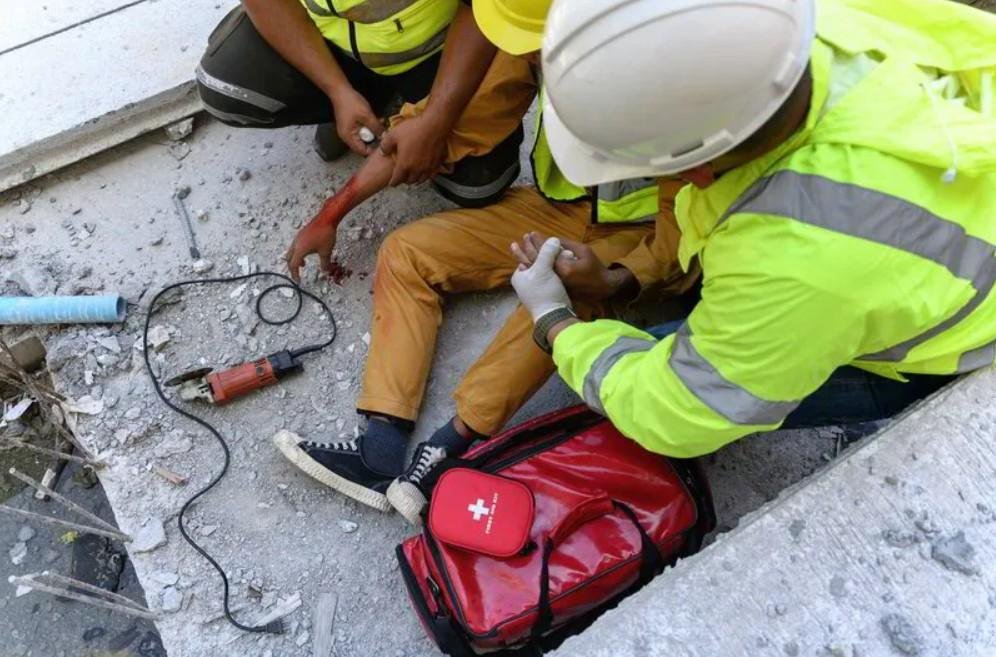
In the modern construction landscape, Sustainable Drainage Systems (SuDS) have transitioned from an optional consideration to a fundamental regulatory necessity. Central to these systems is the soakaway, a critical component designed to manage surface water runoff by allowing it to percolate into the ground. However, before a soakaway can be designed or installed, the engineer must determine the soil's infiltration rate, typically through a soakaway test, often following the methodologies outlined in BRE Digest 365. These tests are not merely office-based calculations; they are physical, on-site operations that involve excavating trial pits and monitoring water drainage over time. Because these activities require excavation, water handling, and working in confined or unstable areas, they are inherently linked to the broader safety protocols of the site.
The Technical Methodology Behind BRE Digest 365
The gold standard for determining soil infiltration rates is the methodology set out in BRE Digest 365. This involves excavating a trial pit to a depth representative of the proposed soakaway and then filling it with water to reach a saturated state. Once saturated, the pit is filled again, and the rate at which the water level drops is carefully recorded. This data allows for the calculation of the soil infiltration rate (f), which is essential for sizing the final soakaway design. From a construction standpoint, the precision of this test is paramount; if the rate is overestimated, the system will fail during heavy rainfall, leading to localized flooding. Conversely, if underestimated, it may lead to unnecessary excavation costs. Ensuring that these tests are performed accurately requires a well-trained team that understands the relationship between soil structure, water movement, and structural integrity. This level of professional attention to detail is a prerequisite for high-quality site management, a skill set rooted in the discipline fostered by a health and safety in a construction environment course.
Site Safety Protocols During Excavation and Testing
Excavating trial pits for soakaway testing brings with it significant site-specific risks. Workers are often tasked with digging into unverified ground, which may contain buried utilities, contaminated materials, or unstable layers that could lead to trench collapse. Before a single shovel hits the dirt, a comprehensive risk assessment must be performed, and the location of all underground services must be verified using current site plans and cable detection tools. The area around the pit must be cordoned off to prevent unauthorized access, and any staff involved in taking measurements inside or near the pit must be equipped with appropriate personal protective equipment (PPE).
The physical act of performing the soakaway test—moving water, monitoring pits, and documenting results—requires that the team remains vigilant regarding the changing conditions of the ground. This ongoing site awareness is a cornerstone of professional safety standards, often introduced to workers through a health and safety in a construction environment course, ensuring that even technical groundworks are conducted without incident.
Environmental and Structural Considerations for SuDS
Beyond the technical test results, soakaways must be positioned with consideration for the structural health of nearby buildings and the environmental quality of the groundwater. Building regulations typically dictate minimum distances from existing foundations to ensure that the water discharged into the soakaway does not cause settlement or structural failure in neighboring properties.
These constraints must be accounted for during the trial pit phase. Furthermore, environmental considerations such as groundwater levels and potential contamination must be evaluated to ensure that the SuDS installation does not inadvertently lead to groundwater pollution. This interdisciplinary approach—combining drainage engineering, structural awareness, and environmental safety—is what defines a modern construction project. Managing these risks effectively is the sign of a sophisticated contractor who values both precision and safety. For those looking to master these multidisciplinary requirements, professional development through a health and safety in a construction environment course is an essential step in validating your commitment to responsible, safe, and efficient construction practices.
Integrating Data Collection into Site Management
The final aspect of successful soakaway testing is the accurate documentation and integration of data into the project's site management plan. These test results don't just stay in a report; they inform the final design, the materials selected, and the overall construction schedule. A site manager must be able to translate the technical findings from the BRE 365 test into actionable work instructions for the groundworks team. If the soil infiltration rates are found to be lower than initially expected, the design must be revised, and the construction team informed, all while maintaining the safety of the site. Clear communication, diligent documentation, and a culture of safety are what keep construction projects on track.
- Business
- Technology
- Finance
- Health
- Fashion
- Lifestyle
- Travel
- Food
- Education
- Real Estate
- Automobile
- Entertainment
- Sports
- Pets
- Home Decor
- Gardening
- Parenting
- Wedding
- Beauty
- Gaming
- Photography
- Music
- Movies
- News
- Politics
- Religion
- Astrology
- Law
- Insurance
- Jobs
- Freelancing
- Remote Work
- Blogging
- E-commerce
- WordPress
- OpenCart
- Social Media
- Graphic Design
- Web Design
- Programming
- Mobile Apps
- Artificial Intelligence
- SaaS
- Cyber Security
- Cloud Computing
- Hosting
- SEO
- Content Writing
- Email Marketing
- Affiliate Marketing
- YouTube
- Podcasting
- Interior Design
- DIY
- Crafts
- Art
- Architecture
- Environment
- Agriculture
- Animals
- Fishing
- Hunting
- Survival
- Outdoor
- Fitness
- Yoga
- Meditation
- Mental Health
- Skin Care
- Hair Care
- Makeup
- Jewelry
- Sarees
- Salwar Kameez
- Lehenga Choli
- Kurtis
- Men Fashion
- Women Fashion
- Kids Fashion
- Footwear
- Bags
- Watches
- Luxury
- Shopping
- Coupons
- Electronics
- Smartphones
- Laptops
- Tablets
- Cameras
- Home Appliances
- Kitchen
- Furniture
- Cleaning
- Baby Care
- Senior Care
- Relationships
- Self Improvement
- Motivation
- Quotes
- Festivals
- Events
- Careers
- Remote Work
- Productivity
- Wholesale
- Manufacturing
- Import Export
- Logistics
- Supply Chain
- Human Resources
- Customer Service
