
The Golden Standard: Tracing the Epic Evolution, Masterful Artistry, and Enduring Cultural Legacy of the Iconic WWE Championship Belt as the Ultimate Prize in Sports Entertainment
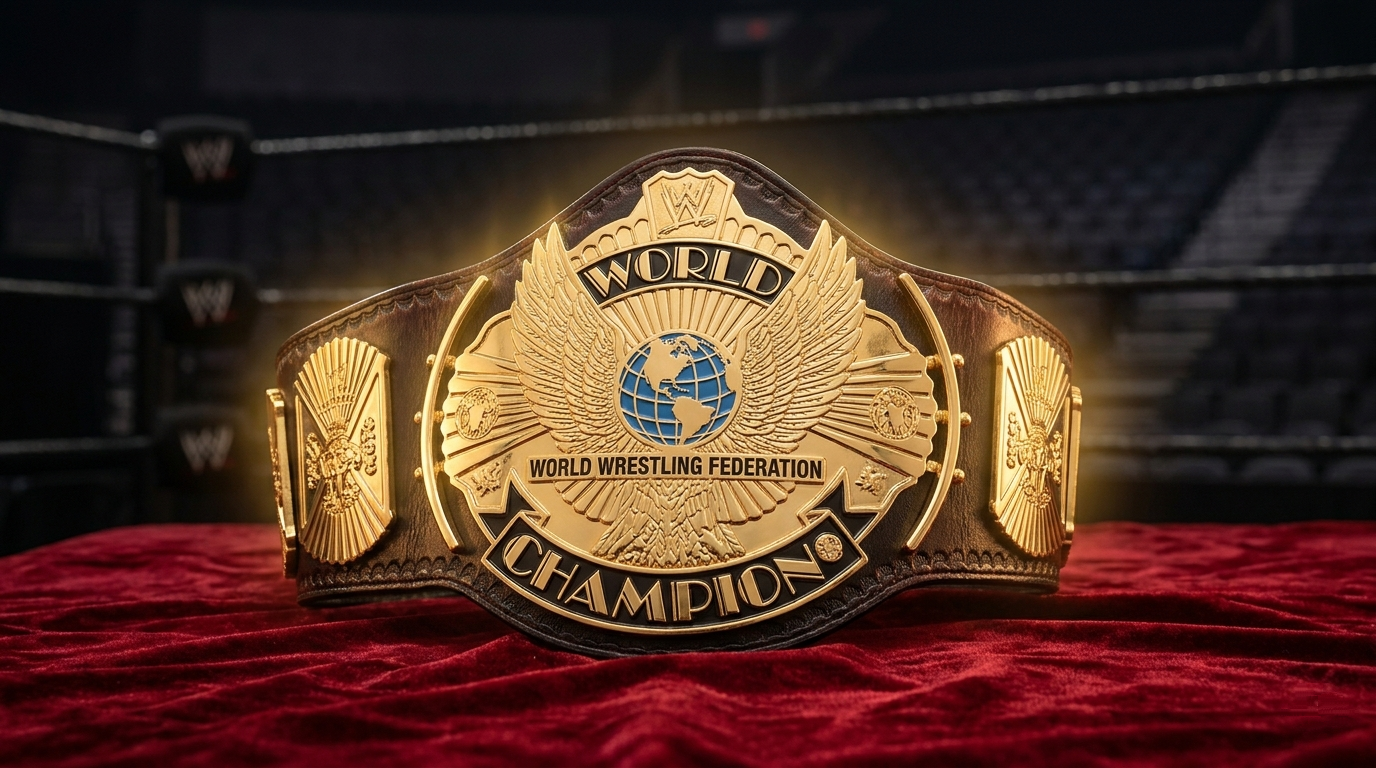
In the exhilarating, high-stakes theater of professional wrestling, few objects command the same level of reverence and immediate recognition as the WWE Championship belt. To the performer, it is the tangible manifestation of years of grueling travel, intense physical sacrifice, and unwavering dedication. To the fan, it is the ultimate totem of supremacy—the physical manifestation of the narrative journey of their favorite superstar. It is more than just a trophy; it is the heartbeat of the industry, a golden icon that bridges generations and represents the absolute pinnacle of achievement within the world of sports entertainment.
A Legacy Forged in Gold: The Historical Journey
The lineage of the WWE Championship is a chronicle of professional wrestling’s shift from regional territorial roots to a global phenomenon. Debuting on April 25, 1963, as the WWWF World Heavyweight Championship, the title was created to establish a new, independent standard of excellence. In those formative years, the belt was a relatively simple, utilitarian object, reflective of an era where the focus was primarily on in-ring grappling and the gritty, realistic presentation of the product.
As the promotion grew, so too did the ambition of the championship’s visual identity. Iconic legends like Bruno Sammartino, who held the title for years during the 1960s and 70s, carried belts that were less about flashy ornamentation and more about establishing institutional authority. These early designs served a clear, functional purpose: to immediately identify the "World Champion" to anyone who stepped into the arena. It was a time when the belt symbolized strength, legitimacy, and the hard-earned toughness of the athlete who could endure the longest and fight the hardest across the touring circuits.
Design Evolution: A Barometer of the Times
The design of the WWE Championship has always functioned as a visual barometer for the changing times. Each iteration of the belt has reflected the brand’s evolving identity, the cultural trends of the day, and the personalities of the champions who carried them.
The Era of Elegance: The Winged Eagle
Perhaps no design in history is as deeply revered by purists and collectors as the "Winged Eagle" belt, which graced the shoulders of superstars from 1988 to 1998. This era marked the Golden Age of professional wrestling, and the belt’s design perfectly captured that spirit. It featured an eagle centerpiece that looked regal, traditional, and timeless. For a generation of fans, the Winged Eagle is the definitive "World Championship," a piece of hardware that felt like an authentic, prestigious trophy befitting legendary figures such as Hulk Hogan, Randy Savage, and Bret Hart.
The Attitude Era: Size and Rebellion
As the 1990s gave way to the Attitude Era—a period defined by its edgier, bolder, and more rebellious television product—the championship design underwent a dramatic transformation. The "Big Eagle" belt was significantly larger, featuring more aggressive lines and a design language that matched the intensified pace of the matches. It was the belt of icons like "Stone Cold" Steve Austin and The Rock, a title that felt as dangerous and unpredictable as the show itself. Its larger size was a response to the advent of high-definition television, as the promotion recognized that a bigger, bolder belt was necessary to maintain its dominance during broadcast close-ups.
The Spinner and Modern Customization
In the mid-2000s, the company took a bold creative risk with the "Spinner" belt, which featured a rotating center logo and a style heavily influenced by hip-hop jewelry and "bling" culture. While initially polarizing among longtime traditionalists, the belt was a massive commercial success and helped reach a contemporary demographic. This era marked a shift toward the "modern" style of customization, where side plates are now often personalized to reflect the specific brand or persona of the current champion, turning the belt into a living extension of the performer's character.
The Architecture of Prestige: Meticulous Craftsmanship
Creating a WWE Championship belt is not a factory operation; it is a specialized, highly skilled craft. The process involves a secretive group of artisans. The journey begins with hand-sculpting a detailed three-dimensional model of each plate from soft clay. This clay model is used to create a mold, from which a metal prototype—typically cast from molten tin or aluminum—is refined by hand using files, chisels, and specialized polishing tools.
The transition from raw metal to championship gold occurs through electroplating. The plates are cleaned and polished until they shine like mirrors, then submerged in an electrolyte solution while connected to an electrical circuit. This current deposits a durable, lustrous layer of 24-karat gold onto the surface. Finishing techniques such as etching, enamel painting, and gemstone setting are then applied to add visual complexity. The setting of stones like rubies, sapphires, or crystals is the most demanding stage, requiring a jeweler to hand-set each element into a precision-molded cavity. These belts are essentially high-end jewelry, crafted to be the most impressive objects in the arena.
Symbolism as a Career Pinnacle
For the athlete, the WWE Championship belt is far more than just a piece of gold-plated metal and leather; it is the ultimate validation of their life’s work. When a superstar is draped in the title, it signals that they have reached the zenith of their professional journey. It is a badge of honor that distinguishes them from their peers and places them among the elite few who have ever led the organization.
The psychological impact of holding the belt cannot be overstated. It forces the performer to transition from a contender, driven by the hunger to prove themselves, into a champion, burdened with the responsibility of representing the brand. The champion is expected to be a global ambassador, a workhorse who performs consistently, and the standard-bearer for the company’s values. This weight of responsibility is what makes the title the most important prize in the industry. It turns a performer into a leader, and their reign into a defining chapter of the company’s history.
The Cultural Impact and Fan Fandom
Beyond the confines of the ring, the WWE Championship has cemented itself as a pop-culture icon. It has appeared in movies, television shows, and fashion shoots, and its distinct silhouette is instantly recognizable to millions. This cultural penetration is testament to the effectiveness of the promotion's branding and the emotional connection the title creates with its audience.
The fan community’s relationship with the belt is exceptionally robust. Fans do not just passively watch the title change hands; they participate in the narrative. They engage in passionate debates about who deserves the belt, they collect high-quality replicas to feel a sense of ownership, and they project their own aspirations onto the superstars who carry the gold. Collecting these replicas has become a serious hobby, with fans creating dedicated spaces to display their collections—a modern-day digital and physical archive of wrestling history. These items serve as emotional anchors, connecting fans to specific moments, stories, and performers that have shaped their personal fandom.
Conclusion
The WWE Championship belt is a masterpiece of storytelling, branding, and design that has successfully stood the test of time. It is a chronicle of the industry’s past, a mirror of its present, and a promise of its future. From the rugged, classic designs of the 1960s to the sleek, personalized titles of today, the belt remains the heartbeat of the show. It is the ultimate goal, the catalyst for the most compelling rivalries, and the most recognizable symbol in the history of sports entertainment. As long as there are athletes who dream of greatness and fans who live for the magic of the squared circle, the pursuit of the gold will remain the central, most gripping story of them all.
- Business
- Technology
- Finance
- Health
- Fashion
- Lifestyle
- Travel
- Food
- Education
- Real Estate
- Automobile
- Entertainment
- Sports
- Pets
- Home Decor
- Gardening
- Parenting
- Wedding
- Beauty
- Gaming
- Photography
- Music
- Movies
- News
- Politics
- Religion
- Astrology
- Law
- Insurance
- Jobs
- Freelancing
- Remote Work
- Blogging
- E-commerce
- WordPress
- OpenCart
- Social Media
- Graphic Design
- Web Design
- Programming
- Mobile Apps
- Artificial Intelligence
- SaaS
- Cyber Security
- Cloud Computing
- Hosting
- SEO
- Content Writing
- Email Marketing
- Affiliate Marketing
- YouTube
- Podcasting
- Interior Design
- DIY
- Crafts
- Art
- Architecture
- Environment
- Agriculture
- Animals
- Fishing
- Hunting
- Survival
- Outdoor
- Fitness
- Yoga
- Meditation
- Mental Health
- Skin Care
- Hair Care
- Makeup
- Jewelry
- Sarees
- Salwar Kameez
- Lehenga Choli
- Kurtis
- Men Fashion
- Women Fashion
- Kids Fashion
- Footwear
- Bags
- Watches
- Luxury
- Shopping
- Coupons
- Electronics
- Smartphones
- Laptops
- Tablets
- Cameras
- Home Appliances
- Kitchen
- Furniture
- Cleaning
- Baby Care
- Senior Care
- Relationships
- Self Improvement
- Motivation
- Quotes
- Festivals
- Events
- Careers
- Remote Work
- Productivity
- Wholesale
- Manufacturing
- Import Export
- Logistics
- Supply Chain
- Human Resources
- Customer Service
