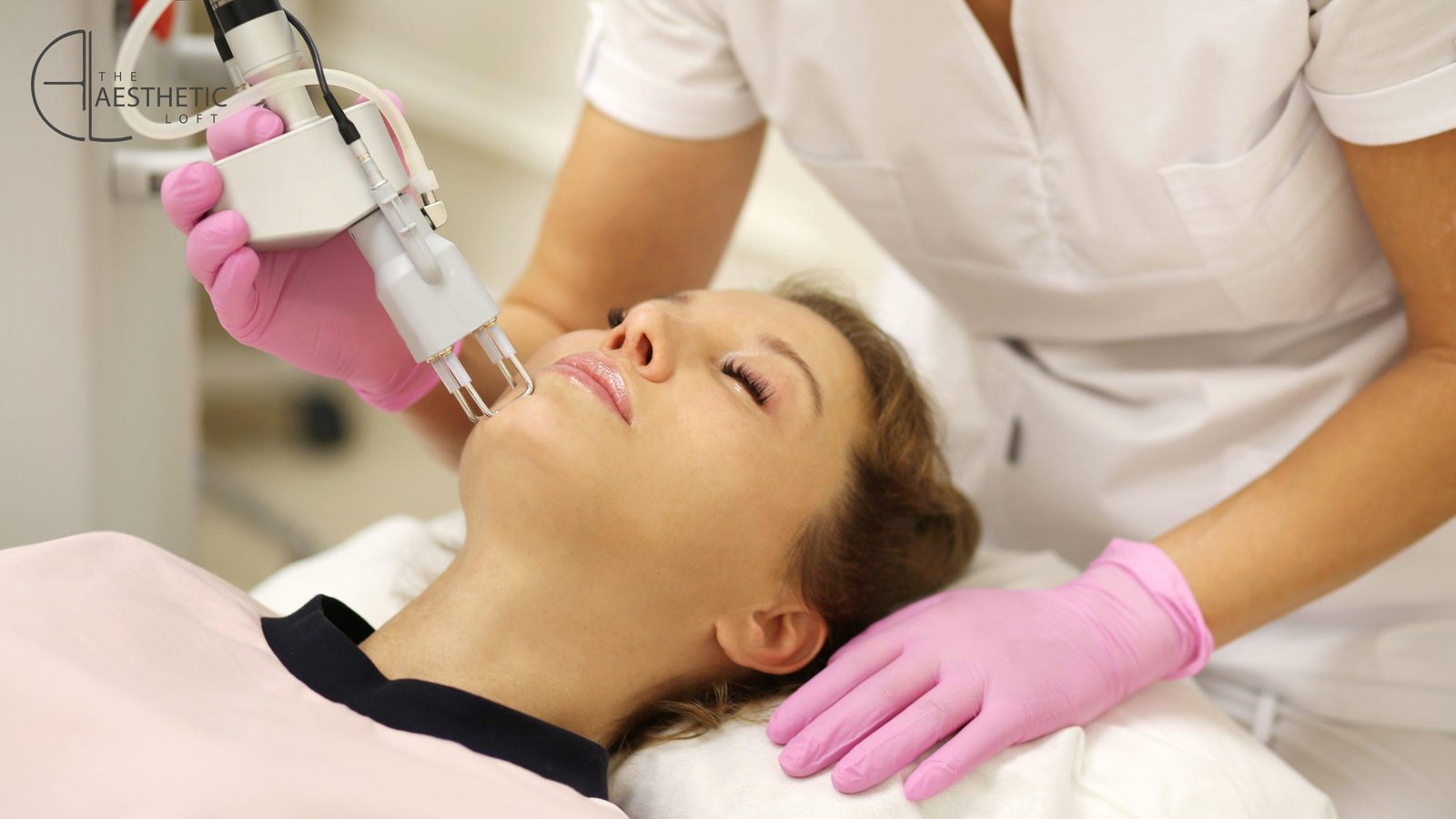
Pigmentation problems such as dark spots, melasma, acne marks, and uneven skin tone can affect confidence and become difficult to manage with regular skincare products alone. Cosmetic dermatology now offers several advanced treatments that target excess pigmentation and improve overall skin clarity. Among the most popular options are chemical peels and Q-switched Laser Treatment, both of which are widely used for reducing discoloration and restoring a brighter complexion. While each procedure aims to improve skin tone, they work differently and may suit different skin types and pigmentation concerns.
Understanding Pigmentation Problems:
Pigmentation occurs when melanin production becomes uneven in certain areas of the skin. This can happen due to sun exposure, hormonal changes, acne inflammation, aging, or skin injuries. Some pigmentation remains close to the surface, while other forms develop deeper within the skin layers, making treatment more challenging.
Common types of pigmentation include:
- Melasma
- Freckles
- Sunspots
- Acne-related dark marks
- Post-inflammatory hyperpigmentation
- Uneven skin tone
- Age spots
The type and depth of pigmentation often determine which cosmetic procedure may produce better results.
What Is Q-Switched Laser Treatment:
Laser technology uses concentrated pulses of light energy to target pigment particles beneath the skin’s surface. The laser breaks down excess melanin into tiny fragments, which are gradually removed by the body through natural processes.
This treatment is commonly recommended for:
- Deep pigmentation
- Melasma
- Acne marks
- Sun damage
- Uneven complexion
- Freckles
Because the laser specifically targets pigment without aggressively removing large layers of skin, many dermatologists consider it a more precise approach for stubborn discoloration.
What Are Chemical Peels:
Chemical peels involve applying a solution to the skin that exfoliates damaged outer layers. Depending on the strength of the peel, the procedure may target superficial or moderately deep pigmentation concerns.
Common types of chemical peels include:
- Glycolic acid peels
- Salicylic acid peels
- Lactic acid peels
- TCA peels
- Combination peels
As the treated skin peels away, newer and healthier skin becomes visible underneath, often leading to improved brightness and smoother texture.
How Q-Switched Lasers Treat Pigmentation:
Laser treatments are especially effective for targeting concentrated melanin deposits beneath the skin. The energy reaches deeper layers where certain forms of pigmentation may exist, making it useful for conditions that do not respond well to topical products or surface-level treatments.
Advantages of laser treatment may include:
- Precision targeting of pigment
- Minimal damage to surrounding skin
- Reduced acne marks
- Improvement in deep pigmentation
- Collagen stimulation
- Short recovery periods
Results are usually gradual and may require multiple sessions depending on the severity of pigmentation.
How Chemical Peels Improve Skin Tone:
Chemical peels work differently because they focus on exfoliating damaged outer skin layers. This process encourages cell turnover and can improve superficial discoloration over time.
Benefits of chemical peels may include:
- Brighter complexion
- Smoother skin texture
- Mild pigmentation reduction
- Reduced oiliness
- Improvement in clogged pores
- Fresher-looking skin
Superficial peels are often preferred by individuals seeking mild skin rejuvenation with relatively low downtime.
Which Treatment Works Better for Deep Pigmentation:
The depth of pigmentation plays a major role in determining which procedure may be more effective. Deep melasma or long-standing dark patches often respond better to laser-based approaches because the energy penetrates below the skin surface.
Laser procedures are usually more effective for:
- Deep pigmentation
- Resistant melasma
- Persistent acne marks
- Long-term discoloration
Chemical peels may be more suitable for:
- Mild surface pigmentation
- Dull skin
- Rough texture
- Early discoloration concerns
Dermatologists sometimes combine both treatments for enhanced results depending on the patient’s skin condition.
Recovery and Downtime Comparison:
Recovery experiences differ between laser procedures and chemical peels. Most laser sessions involve temporary redness or mild swelling that usually settles within a few days.
Typical laser recovery may involve:
- Mild redness
- Temporary sensitivity
- Slight swelling
- Minimal interruption to daily routine
Chemical peels may cause:
- Visible peeling
- Dryness and flaking
- Temporary tightness
- Increased sensitivity during healing
The intensity of downtime often depends on the strength of the peel or laser settings used.
Which Option Is Better for Sensitive Skin:
Sensitive skin patients often require careful evaluation before undergoing cosmetic procedures. Mild chemical peels can sometimes irritate reactive skin, especially if strong acids are used.
Laser treatments may offer more controlled targeting, but treatment settings must still be customized carefully. Factors affecting suitability include:
- Skin sensitivity level
- Existing skin barrier health
- Type of pigmentation
- History of allergic reactions
- Sun exposure habits
Professional consultation is essential before choosing any pigmentation treatment for delicate or reactive skin types.
Cost and Number of Sessions:
Both procedures usually require multiple sessions for noticeable improvement. Costs vary depending on the clinic, treatment area, and severity of pigmentation.
Factors affecting pricing include:
- Clinic reputation
- Dermatologist experience
- Type of technology used
- Severity of pigmentation
- Number of sessions required
Laser procedures are often more expensive than chemical peels, but they may deliver faster results for certain forms of deep pigmentation.
Importance of Aftercare:
Regardless of the chosen procedure, proper aftercare plays a major role in maintaining results and preventing pigmentation recurrence. Sun exposure is one of the biggest triggers for recurring discoloration.
Essential aftercare steps include:
- Daily sunscreen application
- Avoiding direct sunlight
- Keeping skin moisturized
- Avoiding harsh skincare products temporarily
- Following dermatologist instructions carefully
Consistent aftercare improves healing and helps maintain long-term skin clarity.
Final Thoughts:
Choosing between laser procedures and chemical peels depends on several factors, including pigmentation depth, skin sensitivity, treatment goals, and recovery preferences. While chemical peels can be highly effective for mild discoloration and improving skin texture, laser-based treatments often provide more targeted results for deeper or stubborn pigmentation concerns. Both options can contribute to healthier and brighter-looking skin when performed by qualified professionals and supported with proper aftercare. A detailed consultation with an experienced dermatologist remains the best way to determine which approach is most suitable for individual skin needs and long-term skincare goals.