
How to Choose the Right Bypass Filter Element for Equipment
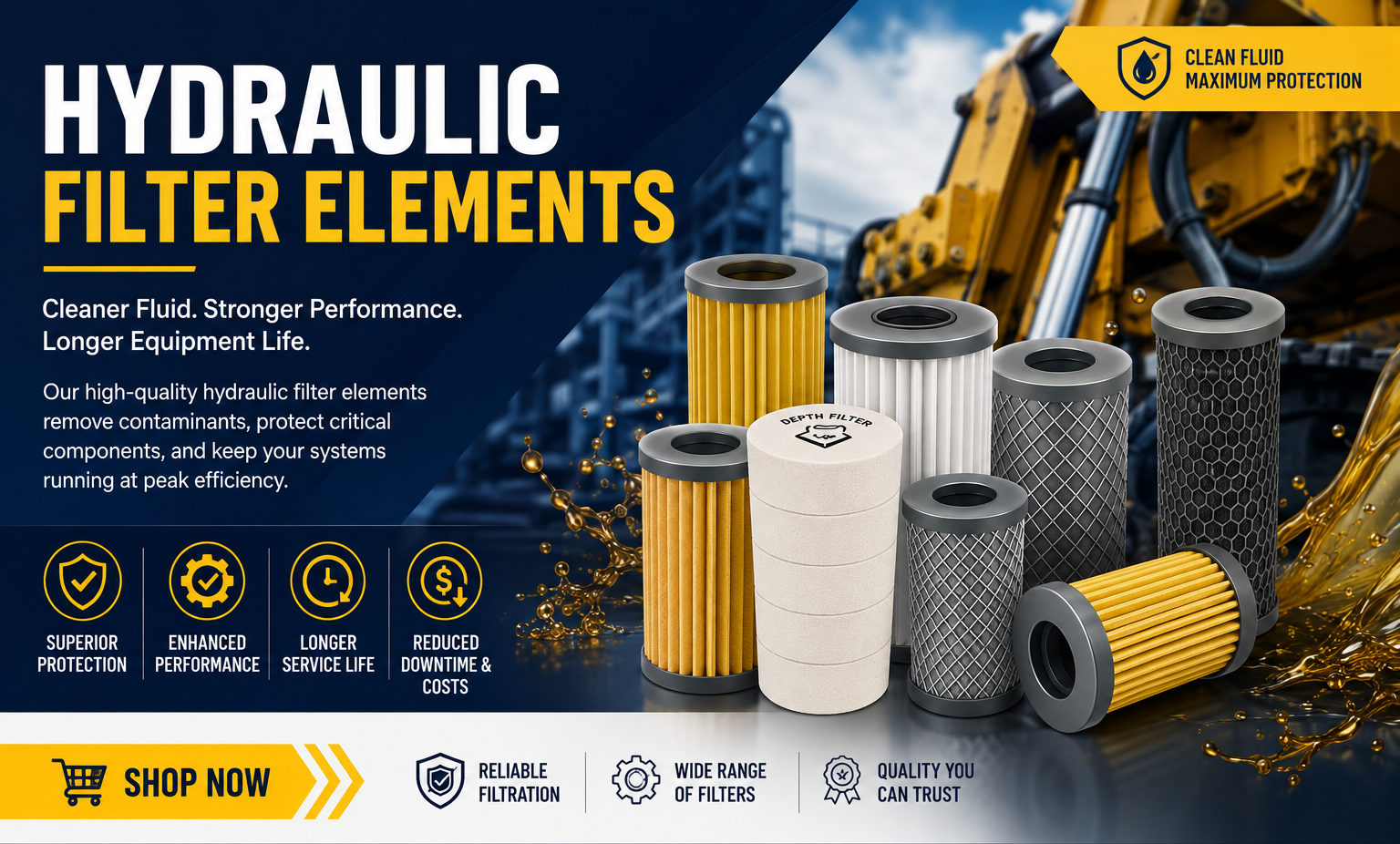
Industrial machinery depends heavily on clean hydraulic and lubrication systems to operate efficiently. Contaminated oil can damage pumps, valves, bearings, and other critical components, leading to expensive repairs and unplanned downtime. This is where bypass filter elements play a major role. They help remove fine contaminants from oil continuously, improving system cleanliness and extending equipment life.
Choosing the right bypass filter element for your equipment is essential for maintaining optimal performance and reducing maintenance costs. At Harvard Filtration, industries across the United States can find reliable filtration solutions designed for demanding industrial applications.
Understand Your Equipment Requirements
The first step in selecting the right bypass filter element is understanding your equipment and operating conditions. Different industries such as construction, manufacturing, mining, agriculture, and transportation use hydraulic systems with varying pressure levels, oil types, and contamination risks.
Before purchasing a filter element, consider:
- Hydraulic system size
- Fluid type and viscosity
- Operating pressure and temperature
- Flow rate requirements
- Contamination levels in the system
Selecting a filter element without considering these factors may reduce filtration efficiency and negatively impact equipment performance.
Check Filtration Efficiency
Filtration efficiency is one of the most important factors when choosing a bypass filter element. The filter should be capable of removing extremely fine contaminants, including dirt, metal particles, sludge, and moisture.
High-efficiency bypass filter elements can capture particles as small as a few microns, helping maintain cleaner oil for a longer period. Cleaner oil reduces wear on sensitive hydraulic components and improves overall system reliability.
Industries operating heavy machinery often prefer advanced bypass filtration systems because they can continuously clean oil while the equipment remains in operation.
Choose the Correct Micron Rating
Micron rating determines the size of particles a filter can remove. Lower micron ratings provide finer filtration but must match the equipment’s requirements.
For example:
- 1–5 micron filters are ideal for ultra-fine contamination control
- 10–25 micron filters work well for standard hydraulic systems
- Higher micron filters are suitable for less sensitive applications
Using the wrong micron rating may either restrict oil flow or fail to remove harmful contaminants effectively.
Evaluate Filter Material Quality
The quality of the filter media directly affects performance and durability. High-quality bypass filter elements are designed to withstand harsh industrial conditions, high pressure, and continuous operation.
Look for features such as:
- Durable construction
- High dirt-holding capacity
- Resistance to chemical breakdown
- Long service life
Premium filtration materials can improve maintenance intervals and lower overall operating costs.
Consider Compatibility with Existing Systems
Not all bypass filter elements fit every filtration system. Always verify compatibility with your existing equipment, including housing design, pressure ratings, and connection types.
Using the correct replacement filter element ensures smooth installation and optimal filtration performance without risking damage to the hydraulic system.
Partner with a Trusted Filtration Supplier
Working with an experienced filtration supplier helps ensure you select the right solution for your equipment needs. A trusted supplier can guide you in choosing the best bypass filter element based on your industry application and operating conditions.
Harvard Filtration offers industrial filtration solutions for hydraulic and lubrication systems across the United States. Their high-quality bypass filter elements are designed to improve oil cleanliness, reduce equipment wear, and support long-term operational efficiency.
Also Read:
Right Hydraulic Replacement Filter Element Guide
How Often to Replace Filter Element
How Do Manufacturers Produce Hydraulic Filter Elements?
Importance of Filter Elements in Hydraulic Systems
Conclusion
Choosing the right bypass filter element is essential for protecting industrial equipment and maximizing system performance. By considering filtration efficiency, micron rating, material quality, and system compatibility, businesses can significantly reduce contamination-related failures and maintenance costs.
Investing in high-quality filtration solutions not only extends equipment life but also improves productivity and reliability in demanding industrial environments.
Shop Now:
1004 Bypass Filter Element | 1006 Filter Element | 1008 Filter Element
1002 Filter Element | 1202 Filter Element | 5002 Filter Element
- Business
- Technology
- Finance
- Health
- Fashion
- Lifestyle
- Travel
- Food
- Education
- Real Estate
- Automobile
- Entertainment
- Sports
- Pets
- Home Decor
- Gardening
- Parenting
- Wedding
- Beauty
- Gaming
- Photography
- Music
- Movies
- News
- Politics
- Religion
- Astrology
- Law
- Insurance
- Jobs
- Freelancing
- Remote Work
- Blogging
- E-commerce
- WordPress
- OpenCart
- Social Media
- Graphic Design
- Web Design
- Programming
- Mobile Apps
- Artificial Intelligence
- SaaS
- Cyber Security
- Cloud Computing
- Hosting
- SEO
- Content Writing
- Email Marketing
- Affiliate Marketing
- YouTube
- Podcasting
- Interior Design
- DIY
- Crafts
- Art
- Architecture
- Environment
- Agriculture
- Animals
- Fishing
- Hunting
- Survival
- Outdoor
- Fitness
- Yoga
- Meditation
- Mental Health
- Skin Care
- Hair Care
- Makeup
- Jewelry
- Sarees
- Salwar Kameez
- Lehenga Choli
- Kurtis
- Men Fashion
- Women Fashion
- Kids Fashion
- Footwear
- Bags
- Watches
- Luxury
- Shopping
- Coupons
- Electronics
- Smartphones
- Laptops
- Tablets
- Cameras
- Home Appliances
- Kitchen
- Furniture
- Cleaning
- Baby Care
- Senior Care
- Relationships
- Self Improvement
- Motivation
- Quotes
- Festivals
- Events
- Careers
- Remote Work
- Productivity
- Wholesale
- Manufacturing
- Import Export
- Logistics
- Supply Chain
- Human Resources
- Customer Service
