
What Makes Clergy Vestments Meaningful in Modern Worship?
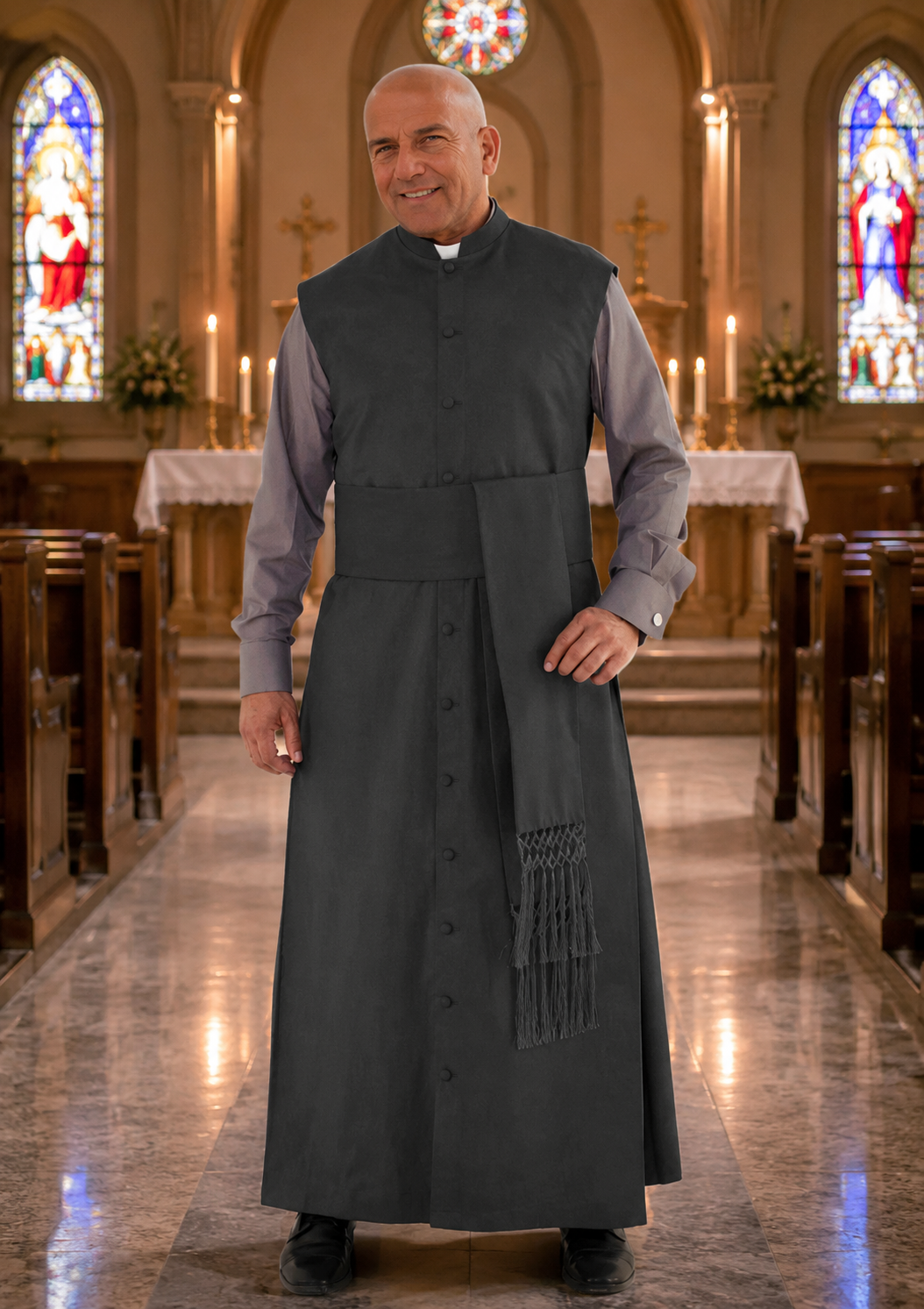
Clergy vestments have been a symbol of faith, devotion, and spiritual authority for centuries. They are not just garments but carry deep symbolism that connects priests to their spiritual duties and the congregation they serve. In modern worship, these vestments continue to hold significance, blending tradition with contemporary expression. From the simple robes worn during daily prayers to the elaborate attire of ceremonial occasions, clergy vestments tell a story of faith, service, and sacred responsibility.
The Historical Significance of Clergy Vestments
Clergy vestments have a rich history that dates back to early Christianity. Originally, these garments distinguished religious leaders from laypeople and symbolized their dedication to spiritual life. Over centuries, different styles and colors developed, each representing specific religious functions, liturgical seasons, or ecclesiastical rank. The evolution of these vestments reflects the Church’s changing approach to worship and ritual, yet their fundamental purpose, to convey holiness and devotion, remains unchanged.
Understanding the historical roots of clergy vestments allows us to appreciate why they remain relevant today. For example, the flowing robes often seen in traditional services are inspired by early Christian clothing, symbolizing purity and humility. Likewise, specific colors like white for purity or purple for penitence carry spiritual meaning, reinforcing the sacred nature of worship. Today, clergy vestments connect the present to centuries of faith and tradition.
Types of Clergy Vestments in Modern Worship
Clergy vestments vary depending on the denomination, occasion, and rank of the religious leader. Common garments include cassocks, surplices, stoles, chasubles, and albs. Each piece has a symbolic meaning that communicates the priest’s role and responsibilities. The cassock, for instance, is a long, close-fitting robe often worn by priests during daily duties, reflecting modesty and dedication. The chasuble, usually worn during Mass, represents charity and the yoke of Christ.
Modern worship often sees a combination of traditional and contemporary vestments. While some churches adhere strictly to classic designs, others allow simpler, more practical garments that maintain reverence while accommodating modern lifestyles. Regardless of style, each vestment maintains a symbolic connection to spiritual duties, helping clergy members embody their sacred mission in every service.
Colors and Their Spiritual Meaning
Colors play a crucial role in clergy vestments. They are not merely aesthetic but carry deep spiritual symbolism. For instance, white is associated with purity, joy, and resurrection, making it common during Christmas and Easter services. Red symbolizes the Holy Spirit and martyrdom, while purple is often used in times of penance, such as Advent and Lent. Green represents hope and growth, frequently seen during ordinary time in the liturgical calendar.
These color choices guide the congregation’s spiritual reflection. They provide visual cues that enhance the worship experience, helping attendees connect emotionally and spiritually with the liturgy. By wearing color-coded clergy vestments, priests convey a deeper meaning, reinforcing the themes of each service and the overall spiritual journey of the community.
The Symbolism Behind the Collar Priests Wear
The collar priests wear is one of the most recognizable aspects of clergy attire. Often called the clerical collar or Roman collar, it serves both practical and symbolic purposes. It identifies the wearer as a member of the clergy, fostering recognition and respect from the community. Symbolically, the collar represents the priest’s commitment to God, signifying dedication, authority, and humility.
In modern worship, the collar remains a powerful reminder of a priest’s spiritual role. It is worn with pride and humility, signaling a life devoted to service, guidance, and leadership within the congregation. Beyond its religious meaning, it also provides a sense of continuity, connecting contemporary clergy with generations of spiritual leaders who wore similar attire.
How Clergy Vestments Enhance Worship Experience
Clergy vestments play an essential role in enhancing the worship experience. They provide a sense of sacredness and reverence, reminding both the clergy and the congregation of the spiritual nature of their gathering. When priests wear formal vestments during services, they visually differentiate sacred activities from everyday life, creating an atmosphere of reflection and devotion.
Moreover, vestments help convey messages non-verbally. Through the use of symbols, colors, and styles, clergy communicate theological themes, moral guidance, and spiritual priorities. For example, a priest wearing a white alb and a gold stole during a special ceremony can signify celebration, holiness, and joy. These subtle cues enrich the worship experience, making services more immersive and meaningful.
Modern Adaptations of Clergy Vestments
While rooted in tradition, clergy vestments have adapted to the needs of modern worship. Many churches now incorporate lighter fabrics, simpler designs, and practical features to accommodate daily duties. Innovations such as breathable materials, adjustable stoles, and versatile robes make it easier for priests to serve effectively without compromising on dignity or symbolism.
Some denominations also encourage customized vestments reflecting local culture or artistic expression. This adaptation maintains the spiritual integrity of the garments while making them relevant to contemporary congregations. By balancing tradition with practicality, modern clergy vestments ensure that priests remain connected to their spiritual heritage while serving a diverse and evolving community.
The Role of Accessories in Clergy Vestments
Accessories play a subtle but important role in clergy vestments. Items like stoles, cinctures, pectoral crosses, and rings each hold spiritual significance. The stole, draped over the shoulders, symbolizes the priest’s authority and the yoke of Christ. The cincture, a rope or belt tied around the waist, represents chastity and readiness for service. Pectoral crosses worn by bishops signify faith and devotion, while rings may symbolize commitment to the Church and its teachings.
These accessories, combined with the primary vestments, complete the visual and spiritual message that clergy present during worship. They reinforce the sacredness of the service and help clergy embody their spiritual duties fully, making their appearance a living symbol of devotion and guidance.
Clergy Vestments as a Tool for Unity and Identity
Clergy vestments also foster unity and identity within the church. When worn consistently, they create a recognizable standard of authority and spiritual leadership. Congregants can identify priests easily, which strengthens the bond between the clergy and the community. Uniformity in vestments reflects shared values, tradition, and a collective spiritual purpose.
Additionally, clergy vestments encourage a sense of respect and reverence during services. They remind the congregation of the sacred nature of worship and of the priest's role as a spiritual guide. By visually distinguishing clergy members, vestments reinforce both communal unity and the hierarchical structure necessary for organized worship.
Maintaining Clergy Vestments: Care and Respect
Proper care of clergy vestments is essential to preserve their dignity and symbolic meaning. High-quality fabrics and intricate designs require careful handling, cleaning, and storage. Many churches have guidelines for washing, pressing, and storing vestments to ensure they remain in pristine condition for ceremonial use.
Respect for clergy vestments extends beyond physical care. Priests and congregants alike recognize these garments as symbols of spiritual authority and sacred duty. By handling them with reverence, the community honors both the collar priests wear and the individuals who dedicate their lives to service.
Conclusion: Timeless Significance of Clergy Vestments
Clergy vestments remain a vital part of modern worship, blending tradition, symbolism, and practicality. From the cassocks and stoles to the collars priests wear, every garment conveys meaning, devotion, and authority. They enhance the spiritual atmosphere, guide congregational reflection, and connect contemporary worship with centuries of faith. In a rapidly changing world, clergy vestments continue to remind us of the sacred, timeless nature of spiritual service.
By understanding the historical, symbolic, and practical aspects of these garments, we can appreciate their role in fostering reverence, unity, and identity within the church. Clergy vestments are far more than clothing, they are living symbols of devotion, guidance, and the enduring power of faith.
- Business
- Technology
- Finance
- Health
- Fashion
- Lifestyle
- Travel
- Food
- Education
- Real Estate
- Automobile
- Entertainment
- Sports
- Pets
- Home Decor
- Gardening
- Parenting
- Wedding
- Beauty
- Gaming
- Photography
- Music
- Movies
- News
- Politics
- Religion
- Astrology
- Law
- Insurance
- Jobs
- Freelancing
- Remote Work
- Blogging
- E-commerce
- WordPress
- OpenCart
- Social Media
- Graphic Design
- Web Design
- Programming
- Mobile Apps
- Artificial Intelligence
- SaaS
- Cyber Security
- Cloud Computing
- Hosting
- SEO
- Content Writing
- Email Marketing
- Affiliate Marketing
- YouTube
- Podcasting
- Interior Design
- DIY
- Crafts
- Art
- Architecture
- Environment
- Agriculture
- Animals
- Fishing
- Hunting
- Survival
- Outdoor
- Fitness
- Yoga
- Meditation
- Mental Health
- Skin Care
- Hair Care
- Makeup
- Jewelry
- Sarees
- Salwar Kameez
- Lehenga Choli
- Kurtis
- Men Fashion
- Women Fashion
- Kids Fashion
- Footwear
- Bags
- Watches
- Luxury
- Shopping
- Coupons
- Electronics
- Smartphones
- Laptops
- Tablets
- Cameras
- Home Appliances
- Kitchen
- Furniture
- Cleaning
- Baby Care
- Senior Care
- Relationships
- Self Improvement
- Motivation
- Quotes
- Festivals
- Events
- Careers
- Remote Work
- Productivity
- Wholesale
- Manufacturing
- Import Export
- Logistics
- Supply Chain
- Human Resources
- Customer Service
