
Professional HVAC Duct Repair for Better Efficiency
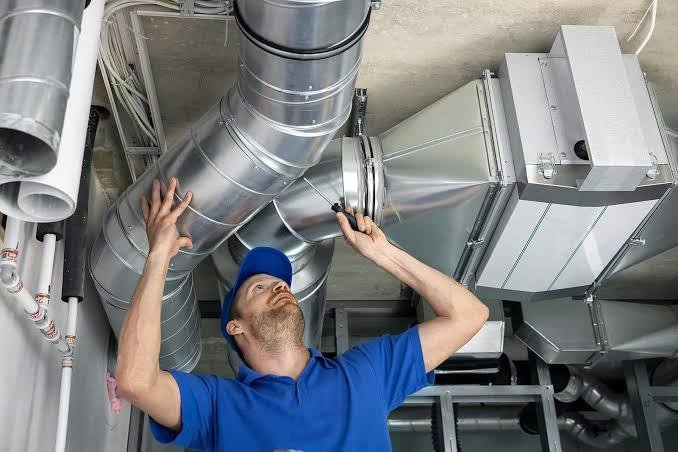
Professional HVAC duct repair can improve system efficiency by correcting air leaks, loose connections, damaged duct sections, and other problems that allow conditioned air to escape before reaching living spaces. When the duct system is damaged, an HVAC unit may need to operate longer to maintain the desired indoor temperature.
Ductwork serves as the distribution network for heating and cooling. Supply ducts deliver conditioned air to rooms, while return ducts carry air back to the HVAC equipment. Damage anywhere in this pathway can interfere with airflow, comfort, and energy performance.
Professional repair focuses on finding the source of the problem rather than simply treating symptoms such as weak airflow or uneven temperatures. Depending on the condition of the system, repair may involve sealing leaks, reconnecting separated sections, correcting damaged ductwork, or replacing sections that can no longer be reliably repaired.
How Does Professional HVAC Duct Repair Improve Efficiency?
HVAC duct repair improves efficiency by keeping more conditioned air inside the intended air distribution pathway.
A professional HVAC duct repair service can address accessible leaks, loose connections, damaged sections, and other duct problems that interfere with proper air delivery.
Less Conditioned Air Is Wasted
When supply ducts leak, heated or cooled air may escape into attics, crawl spaces, garages, or wall cavities.
Repairing those openings allows more of the conditioned air produced by the HVAC system to reach occupied rooms.
HVAC Runtime May Be Reduced
When rooms receive the correct amount of conditioned air, the thermostat may reach its setting more effectively.
This can reduce unnecessary system operation when duct leakage was contributing to longer cycles.
Why Should Ductwork Be Inspected Before Repairs?
Inspection is important because weak airflow and efficiency problems can have several possible causes.
A complete air duct system inspection can help identify leaks, disconnected joints, crushed flexible ducts, damaged insulation, and other visible conditions before repair work begins.
Inspection Locates the Actual Damage
Repairing one visible opening may not solve the problem if additional leaks exist elsewhere.
Evaluating the accessible duct network provides a better understanding of the overall condition.
Not Every Efficiency Problem Comes From Ducts
Dirty filters, HVAC equipment problems, closed dampers, poor insulation, or incorrect system settings can create similar symptoms.
Inspection helps determine whether duct repair is actually necessary.
What Are the Signs Your HVAC Ducts Need Repair?
Common warning signs include uneven temperatures, weak airflow, unexpectedly high energy bills, unusual duct noises, visible damage, and HVAC cycles that seem longer than normal.
Some Rooms Become Hard to Condition
If one room remains noticeably warmer or colder than others, the branch duct serving that area may be leaking, disconnected, or restricted.
The exact cause should be diagnosed before making repairs.
Airflow Becomes Weak
A noticeable reduction in air coming from certain registers may indicate that air is escaping somewhere upstream.
However, filtration and equipment issues should also be ruled out.
Energy Consumption Increases
Leaking ducts can waste heating and cooling energy. ENERGY STAR reports that typical homes can lose about 20–30% of the air moving through duct systems because of leaks, holes, and poorly connected ducts.
What Types of HVAC Duct Damage Can Be Repaired?
The appropriate repair depends on the duct material, location, and severity of damage.
Minor problems may be repairable, while extensive deterioration can require section replacement.
Leaking Connections
Joints and connections can develop gaps over time.
Proper sealing can restore a more controlled airflow pathway.
Disconnected Sections
Sections can separate because of poor installation, movement, accidental disturbance, or deterioration.
When the material remains usable, reconnection may be possible.
Minor Physical Damage
Some isolated damage can be corrected without replacing an entire duct network.
The surrounding material must still be structurally sound.
When Does Flexible Ductwork Need Attention?
Flexible ducts can develop airflow problems when they become crushed, kinked, torn, or disconnected.
Their positioning is important because excessive bends can restrict airflow even without a major leak.
Kinks Restrict Airflow
Sharp bends reduce the open internal pathway available for moving air.
Correcting the position may improve airflow when the duct itself remains undamaged.
Tears Can Leak Conditioned Air
A torn flexible duct can release conditioned air into surrounding areas.
The severity of the damage determines whether repair or section replacement is more appropriate.
Can HVAC Duct Repair Improve Indoor Comfort?
Yes. Duct repair can improve comfort when leaks or damaged sections are preventing rooms from receiving adequate conditioned air.
Temperatures Can Become More Consistent
Repairing a leaking branch can restore air delivery to a room that previously remained too hot or cold.
This may reduce temperature differences throughout the home.
Airflow Can Improve
Correcting disconnected, leaking, or restricted sections can allow more air to reach intended registers.
Better distribution can make the HVAC system feel more effective without changing thermostat settings.
How Does Duct Repair Reduce HVAC Workload?
Repair can reduce workload when duct damage is causing substantial conditioned air loss.
The HVAC system no longer needs to compensate for as much wasted air.
Heating and Cooling Cycles Can Normalize
If rooms reach the desired temperature more efficiently, the equipment may not need to operate as long.
Reducing unnecessary runtime can support more efficient system operation.
Blower Performance Can Improve
Properly configured ducts provide a more predictable pathway for airflow.
Correcting restrictions or disconnected sections can support normal air movement through the system.
Can HVAC Duct Repair Lower Energy Bills?
Duct repair may reduce energy consumption when significant leakage is causing the HVAC system to operate unnecessarily.
The actual savings depend on the amount and location of leakage, equipment condition, insulation, and household usage.
Repair Targets Energy Loss
Unlike repeatedly changing thermostat settings, repairing a leak addresses the actual pathway through which conditioned air is being lost.
Results Depend on the Whole System
A home with leaking ducts and inefficient HVAC equipment may still have high energy costs after duct repair.
The complete system should therefore be considered when evaluating efficiency.
Should Damaged Ducts Be Repaired or Replaced?
Repair is generally suitable when problems are isolated and the remaining duct material is in good condition.
Replacement becomes more appropriate when deterioration is extensive.
Minor Problems Often Support Repair
Small leaks, loose joints, and isolated damaged areas may be corrected without replacing large sections.
Severe Damage May Require Replacement
Crushed, badly torn, deteriorated, or repeatedly failing duct sections may no longer provide a reliable foundation for repair.
Replacing those sections can provide a more durable solution.
For additional background, HVAC duct systems and airflow explains how ducts are used to deliver and remove air in heating, ventilation, and air conditioning systems.
Why Is Professional Duct Repair Better Than Temporary Patching?
Professional repair evaluates the material and cause of the damage before choosing an appropriate correction.
Temporary fixes may hide a visible opening without addressing the underlying problem.
Correct Materials Matter
Different duct types require appropriate repair and sealing methods.
A solution suitable for rigid sheet metal ductwork may not be appropriate for flexible or internally lined ducts.
The Cause Should Be Corrected
If a duct repeatedly separates because it is poorly supported, simply closing the joint may not prevent the problem from returning.
A professional evaluation considers why the failure occurred.
How Does Duct Cleaning Fit With Duct Repair?
Cleaning and repair serve different purposes.
Cleaning removes appropriate debris, while repair corrects structural and airflow problems.
Homeowners can review HVAC system and duct maintenance guidance to better understand how duct condition, filtration, airflow, and HVAC maintenance work together.
Cleaning Does Not Seal Leaks
Removing dust from a leaking duct will not stop conditioned air from escaping.
Physical damage requires an appropriate repair.
Repairs Do Not Remove Heavy Buildup
Likewise, sealing a duct does not remove significant debris already present inside it.
Inspection can determine whether either or both services are appropriate.
How Can Homeowners Prevent Future Duct Damage?
Homeowners can reduce future problems by maintaining the HVAC system, protecting accessible ducts, changing filters appropriately, and responding to airflow changes early.
Avoid Crushing Flexible Ducts
Items stored in attics should not be placed on exposed flexible ductwork.
Compression can restrict airflow or physically damage the duct.
Monitor Airflow
If airflow suddenly becomes weaker from one register, investigate the problem instead of repeatedly adjusting the thermostat.
Schedule Periodic Inspection
An inspection can identify loose connections or developing damage before substantial air loss occurs.
Early repair may prevent a small problem from becoming more extensive.
Conclusion
Professional HVAC duct repair can improve efficiency by reducing conditioned air loss, correcting damaged connections, restoring airflow, and helping rooms receive the heating or cooling intended for them. When duct leakage is significant, repairs can also reduce unnecessary HVAC runtime and improve indoor comfort.
The right solution depends on the actual condition of the duct network. Minor leaks and loose connections may be repairable, while severely deteriorated sections may require replacement. United Home Services can evaluate accessible ductwork and determine the appropriate repair approach based on the type and extent of damage.
Frequently Asked Questions
Can HVAC duct repair improve energy efficiency?
Yes. Repairing significant leaks can keep more conditioned air inside the duct system and reduce unnecessary heating or cooling loss.
What are common signs that ducts need repair?
Weak airflow, uneven temperatures, higher energy use, unusual noises, visible damage, and disconnected duct sections are common warning signs.
Can leaking ducts make HVAC equipment run longer?
Yes. If conditioned air escapes before reaching rooms, the system may operate longer to reach the thermostat setting.
Should ductwork be inspected before repair?
Yes. Inspection helps locate damage and determine whether the problem requires repair, replacement, or another HVAC service.
Can flexible ducts be repaired?
Minor problems may sometimes be corrected, while severely torn, crushed, or deteriorated flexible ducts may require section replacement.
Is duct cleaning the same as duct repair?
No. Cleaning removes appropriate dust and debris, while repair addresses leaks, damaged sections, loose connections, and other structural problems.
- Business
- Technology
- Finance
- Health
- Fashion
- Lifestyle
- Travel
- Food
- Education
- Real Estate
- Automobile
- Entertainment
- Sports
- Pets
- Home Decor
- Gardening
- Parenting
- Wedding
- Beauty
- Gaming
- Photography
- Music
- Movies
- News
- Politics
- Religion
- Astrology
- Law
- Insurance
- Jobs
- Freelancing
- Remote Work
- Blogging
- E-commerce
- WordPress
- OpenCart
- Social Media
- Graphic Design
- Web Design
- Programming
- Mobile Apps
- Artificial Intelligence
- SaaS
- Cyber Security
- Cloud Computing
- Hosting
- SEO
- Content Writing
- Email Marketing
- Affiliate Marketing
- YouTube
- Podcasting
- Interior Design
- DIY
- Crafts
- Art
- Architecture
- Environment
- Agriculture
- Animals
- Fishing
- Hunting
- Survival
- Outdoor
- Fitness
- Yoga
- Meditation
- Mental Health
- Skin Care
- Hair Care
- Makeup
- Jewelry
- Sarees
- Salwar Kameez
- Lehenga Choli
- Kurtis
- Men Fashion
- Women Fashion
- Kids Fashion
- Footwear
- Bags
- Watches
- Luxury
- Shopping
- Coupons
- Electronics
- Smartphones
- Laptops
- Tablets
- Cameras
- Home Appliances
- Kitchen
- Furniture
- Cleaning
- Baby Care
- Senior Care
- Relationships
- Self Improvement
- Motivation
- Quotes
- Festivals
- Events
- Careers
- Remote Work
- Productivity
- Wholesale
- Manufacturing
- Import Export
- Logistics
- Supply Chain
- Human Resources
- Customer Service
