
What to Expect During Air Duct Cleaning Service
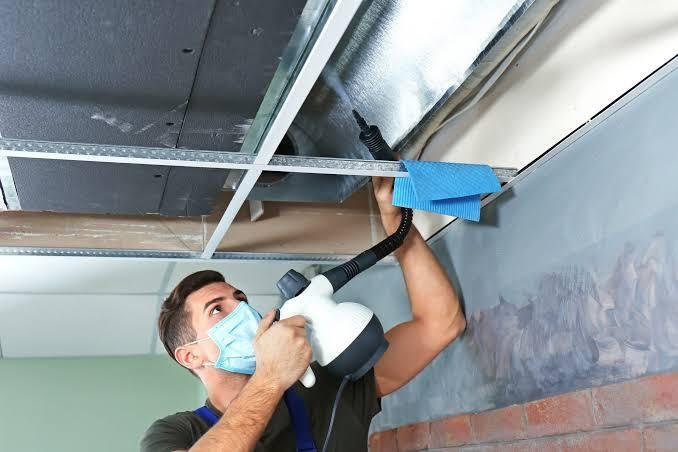
During a professional air duct cleaning service, homeowners can expect an initial inspection, system preparation, access to supply and return ducts, removal of accumulated dust and debris, cleaning of relevant accessible components, and a final review of airflow and system condition. The exact process can vary depending on the layout, duct material, and level of buildup.
Professional cleaning should not begin with assumptions. A good service starts by evaluating whether meaningful debris is actually present and whether the system has leaks, moisture, damaged sections, or other issues that cleaning alone cannot correct.
Understanding the process in advance helps homeowners know what questions to ask, what areas may need access, and what results are realistic after service.
What Happens Before Air Duct Cleaning Begins?
The service usually begins with a visual evaluation of the HVAC system and accessible ductwork.
A complete air duct cleaning service should be based on actual system conditions rather than a fixed schedule. The technician may review supply vents, return openings, visible duct sections, filters, and accessible HVAC components before deciding how the cleaning should proceed.
The Technician Reviews the System Layout
Every home has a different duct configuration.
The technician may identify where the main supply and return lines run, how many registers are present, and which areas provide suitable access for cleaning equipment.
Existing Problems Are Noted
Visible leaks, crushed flexible ducts, loose connections, moisture, or damaged insulation may be documented before cleaning.
These problems may require repair or another service in addition to debris removal.
Why Is Air Duct Inspection Important Before Cleaning?
Inspection is important because not every HVAC complaint is caused by dirty ductwork.
A professional air duct inspection can help determine whether the system contains significant dust, debris, contamination, or physical damage that needs attention.
Inspection Helps Avoid Unnecessary Work
Dust around a register does not automatically mean the complete duct system needs cleaning.
An inspection can determine whether buildup is limited to accessible surfaces or extends deeper into the system.
Cleaning Cannot Fix Structural Damage
A clean duct can still perform poorly if it is leaking, disconnected, crushed, or badly insulated.
Finding these issues before cleaning helps ensure the homeowner chooses the right service.
How Is the Home Prepared for Air Duct Cleaning?
Preparation usually involves clearing access to vents, registers, and HVAC equipment.
The homeowner may be asked to move furniture or objects that block supply and return openings.
Registers Need to Be Accessible
Technicians need enough room to work around vents and return grilles.
Furniture, rugs, storage items, or curtains that block access may need to be moved.
HVAC Equipment Should Be Reachable
The furnace, air handler, or other central equipment should also be accessible.
This allows the technician to inspect and work on relevant system components more effectively.
Are HVAC Components Cleaned Too?
Some professional services may include or recommend cleaning accessible HVAC components when buildup is present.
The exact scope should be clarified before work begins.
Filters Are Checked
A dirty filter can restrict airflow and contribute to dust buildup.
The technician may inspect the filter and recommend replacement if it is heavily loaded.
Blower or Coil Conditions May Be Noted
Dust and debris on internal HVAC components can affect system operation.
If these areas require separate cleaning or service, the technician should explain that clearly rather than treating it as automatically included.
How Long Does Air Duct Cleaning Take?
The time required depends on the size of the home, number of vents, duct layout, accessibility, and level of buildup.
A smaller and straightforward system may take less time than a larger home with complex ductwork.
More Vents Mean More Work
Homes with multiple floors or extensive duct networks require additional access points and cleaning time.
Heavy Buildup Can Extend the Process
A system with substantial debris may require more agitation and collection than one with moderate dust.
The service should still focus on thoroughness rather than rushing through the work.
What Equipment Is Used During Air Duct Cleaning?
Professional air duct cleaning can involve vacuum systems, brushes, compressed-air tools, agitation devices, and inspection equipment.
The specific tools should match the duct material.
Different Duct Materials Need Different Methods
Sheet-metal ducts can tolerate different cleaning methods than flexible ducts or internally lined systems.
The technician should avoid overly aggressive tools that could damage the duct surface.
Negative Pressure May Be Used
Some cleaning methods create negative pressure within the duct system so loosened debris moves toward collection equipment.
For general background, HVAC duct systems explain how duct networks are designed to distribute and return air throughout buildings.
Will Air Duct Cleaning Improve Airflow?
Air duct cleaning may improve airflow when meaningful debris is actually restricting the system.
It will not fix weak airflow caused by physical damage, equipment problems, or poor duct design.
Significant Buildup Can Restrict Air Movement
Heavy dust or debris may reduce the available pathway for air.
Removing that material can help restore clearer airflow.
Other Causes Must Be Considered
Dirty filters, crushed ducts, disconnected sections, closed dampers, or blower problems can create similar symptoms.
This is why inspection should come before cleaning.
What Should You Expect After the Cleaning Is Finished?
After cleaning, the technician should review the work and explain whether any additional issues were discovered.
The system should be left properly reassembled and ready for normal operation.
Registers and Access Points Are Restored
Vent covers and access areas should be returned to their normal condition.
Any temporary openings created for service should be properly closed.
Remaining Problems Should Be Explained
If the technician finds leaks, damaged ducts, moisture, or other HVAC concerns, those findings should be communicated clearly.
Cleaning may be only one part of the overall solution.
How Can Homeowners Maintain the System After Cleaning?
Regular filter maintenance, keeping registers clear, and controlling renovation dust can help reduce future buildup.
Homeowners should also respond quickly to moisture or airflow problems.
Replace Filters When Needed
Filters should be checked regularly and replaced according to equipment and manufacturer recommendations.
Keep Vents Unblocked
Furniture, rugs, curtains, and storage should not block supply or return openings.
Clear vents support proper airflow.
Maintain the Complete HVAC System
Homeowners can review furnace and duct maintenance guidance to understand how filters, heating equipment, airflow, and duct cleanliness work together.
When Is Professional Air Duct Cleaning Most Worthwhile?
Professional cleaning is most worthwhile when inspection confirms significant removable debris or contamination.
It should be based on actual need rather than an automatic yearly schedule.
Renovation Debris May Justify Cleaning
Construction work can introduce drywall dust, sawdust, and other particles into the system.
If vents were open during renovation, inspection may reveal that cleaning is appropriate.
Visible Buildup Is a Stronger Reason
Heavy debris visible inside accessible ducts provides a clearer reason for cleaning than light surface dust around a register.
Conclusion
During a professional air duct cleaning service, homeowners should expect inspection, system preparation, access to supply and return pathways, removal of accumulated debris, cleaning of relevant accessible components, and a final review of the system.
The most important part of the process is accurate diagnosis. Cleaning is useful when meaningful buildup is present, but leaks, moisture, damaged ducts, or mechanical HVAC issues may require different services.
United Home Services can inspect accessible ductwork and provide professional cleaning based on the actual condition of the HVAC system.
Frequently Asked Questions
What happens first during air duct cleaning?
The technician generally begins with an inspection of accessible ducts, vents, and HVAC components to determine whether cleaning is needed and how the system should be approached.
Do I need to move furniture before air duct cleaning?
You may need to move furniture or objects blocking supply vents, return grilles, or HVAC equipment so technicians can access those areas.
Does air duct cleaning include the HVAC filter?
The filter may be inspected during service, but replacement policies vary. Homeowners should ask what is included before the work begins.
Can air duct cleaning improve airflow?
It may improve airflow when significant debris is creating a genuine restriction. It will not fix damaged ducts or mechanical HVAC problems.
Will air duct cleaning remove all household dust?
No. It can remove duct-related buildup, but dust also comes from furniture, fabrics, pets, outdoor air, and everyday activity.
Should air ducts be inspected before cleaning?
Yes. Inspection helps determine whether cleaning is necessary and whether repair, moisture correction, or another HVAC service may be more appropriate.
- Business
- Technology
- Finance
- Health
- Fashion
- Lifestyle
- Travel
- Food
- Education
- Real Estate
- Automobile
- Entertainment
- Sports
- Pets
- Home Decor
- Gardening
- Parenting
- Wedding
- Beauty
- Gaming
- Photography
- Music
- Movies
- News
- Politics
- Religion
- Astrology
- Law
- Insurance
- Jobs
- Freelancing
- Remote Work
- Blogging
- E-commerce
- WordPress
- OpenCart
- Social Media
- Graphic Design
- Web Design
- Programming
- Mobile Apps
- Artificial Intelligence
- SaaS
- Cyber Security
- Cloud Computing
- Hosting
- SEO
- Content Writing
- Email Marketing
- Affiliate Marketing
- YouTube
- Podcasting
- Interior Design
- DIY
- Crafts
- Art
- Architecture
- Environment
- Agriculture
- Animals
- Fishing
- Hunting
- Survival
- Outdoor
- Fitness
- Yoga
- Meditation
- Mental Health
- Skin Care
- Hair Care
- Makeup
- Jewelry
- Sarees
- Salwar Kameez
- Lehenga Choli
- Kurtis
- Men Fashion
- Women Fashion
- Kids Fashion
- Footwear
- Bags
- Watches
- Luxury
- Shopping
- Coupons
- Electronics
- Smartphones
- Laptops
- Tablets
- Cameras
- Home Appliances
- Kitchen
- Furniture
- Cleaning
- Baby Care
- Senior Care
- Relationships
- Self Improvement
- Motivation
- Quotes
- Festivals
- Events
- Careers
- Remote Work
- Productivity
- Wholesale
- Manufacturing
- Import Export
- Logistics
- Supply Chain
- Human Resources
- Customer Service
