
AEC BIM Services for Better Architecture and Construction
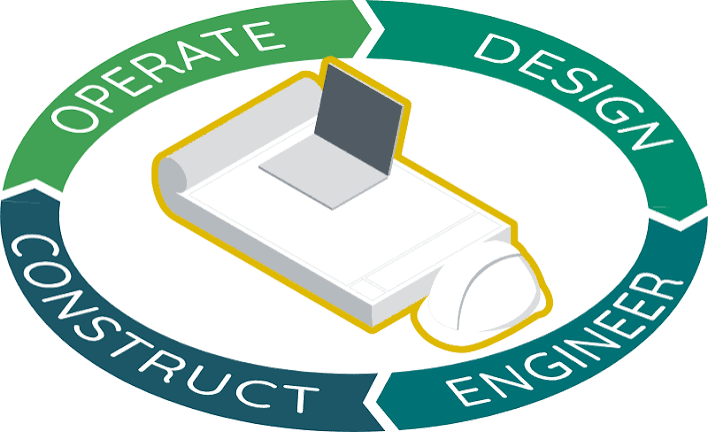
Architecture, engineering, and construction projects depend on information moving accurately between different teams. Architects develop building concepts, engineers address technical requirements, and contractors turn the approved design into a physical structure.
Each discipline has different responsibilities, but their work is closely connected. A change in one area can affect several others.
A structured digital workflow can help teams manage these relationships more effectively.
AEC BIM Services provide a coordinated approach to creating, organizing, reviewing, and sharing digital building information throughout a project's lifecycle. When properly planned, this approach can improve collaboration, documentation, coordination, and construction decision-making.
Connecting Architecture, Engineering, and Construction
AEC projects involve many different types of information.
Architectural models describe spaces and building components. Structural information defines the supporting framework. MEP systems must fit within the available space, while contractors need practical information for installation and construction.
A coordinated digital environment allows these different information sets to be reviewed together.
This gives project teams greater visibility into how one discipline's decisions affect another.
For example, a structural beam may affect a mechanical route, while an architectural ceiling height may depend on both systems.
Supporting Design Development
Digital modeling can support design decisions from early concepts through detailed development.
Teams can review building layouts, spatial relationships, component locations, and overall project conditions within a three-dimensional environment.
This can make it easier to evaluate alternatives before documentation is finalized.
The level of detail should change as the project progresses. Early design does not necessarily require the same information as construction coordination.
Defining the intended use of the model at each stage helps prevent unnecessary work.
Improving Documentation
Project documentation needs to remain consistent as designs change.
Plans, sections, elevations, schedules, and other deliverables may all depend on the same underlying building information.
A structured digital model can provide a common source for developing these views.
When a component changes, related documentation can be reviewed within the same environment.
For example, moving a wall may affect room information, doors, dimensions, elevations, and building services.
Model-based workflows can make these relationships easier to manage, although professional review remains essential before documents are issued.
Supporting Multidisciplinary Coordination
Complex buildings contain many systems within limited physical space.
Structural framing, mechanical ducts, electrical systems, plumbing, fire protection, architectural elements, and equipment must coexist.
BIM Coordination can help teams review these relationships before construction.
The process can identify physical conflicts as well as concerns involving clearance, access, installation, and maintenance.
This is especially valuable in congested areas such as mechanical rooms, ceiling spaces, shafts, and service corridors.
Improving Construction Planning
Contractors need information that reflects practical construction requirements.
A digital model can provide additional context for reviewing building components, installation areas, trade relationships, and complex conditions.
This can support constructability discussions before work reaches the field.
For example, a component may fit within the design but still be difficult to install because of limited access.
Identifying these conditions early gives the team more time to consider alternative solutions.
The model should complement drawings, specifications, schedules, and site information rather than replace them.
Supporting Existing Building Projects
Renovation and retrofit projects often begin with incomplete information.
Historical drawings may not show later modifications, replaced equipment, relocated walls, or changed building systems.
Digital site documentation can help teams establish a clearer understanding of current conditions.
A structured existing-condition model can then provide a reference for architects, engineers, and contractors developing new work.
Field verification may still be required for critical conditions or areas that cannot be reliably captured.
Managing Project Information
BIM is not limited to geometry.
Models can contain information about spaces, components, materials, equipment, and other building elements.
The usefulness of this information depends on how consistently it is organized.
Project standards can establish requirements for naming, coordinates, levels, file structures, model exchanges, and deliverables.
Without common standards, information created by different teams can become difficult to combine or review.
Reducing Information Gaps
Project delays can occur when teams are working from different versions of information.
An engineer may have an updated architectural model while another contributor is still using an earlier version.
A clear information-management process can reduce this risk.
Teams should establish where current information is stored, how revisions are communicated, who approves changes, and when updated models are expected.
This becomes increasingly important as project size and the number of contributors increase.
Supporting Quality Control
Digital information needs regular review.
A model can look complete while containing incorrect element locations, outdated information, inconsistent naming, or missing requirements.
Quality checks may include:
- Model organization
- Levels and grids
- Element placement
- Required information
- Documentation
- Coordination
- Naming standards
- Revision status
Regular reviews can help identify issues before they affect downstream work.
Avoiding Over-Modeling
One common BIM mistake is assuming that more detail automatically creates more value.
It does not.
A model should contain information that supports a defined project purpose.
Creating unnecessary detail can increase production time and make the model more difficult to maintain.
Teams should determine what information is actually needed before production begins.
This keeps the workflow focused and helps project participants get useful information without unnecessary complexity.
Choosing the Right BIM Partner
Organizations should evaluate BIM providers based on more than their ability to operate modeling software.
Relevant project experience, construction knowledge, coordination capabilities, documentation skills, quality-control procedures, and communication are also important.
The provider should understand how different stakeholders will use the information.
Modulus Consulting supports digital building workflows involving modeling, coordination, documentation, existing-condition information, and construction-focused project requirements.
The right approach should be adapted to the project's objectives, complexity, and intended deliverables.
Creating a Connected Project Workflow
The strongest AEC workflows connect information across project stages.
Design information can support construction planning. Coordination findings can influence design decisions. Existing-condition information can improve renovation planning. Construction feedback can identify issues that should be considered in future work.
This creates a more connected flow of information.
The objective is not simply to create a digital model. It is to make project information more useful to the people responsible for making decisions.
Preparing for Future Digital Construction
AEC technology continues to develop.
Cloud collaboration, automated checking, digital twins, reality capture, data analytics, and other technologies are changing how project teams work.
However, advanced tools depend on reliable information and clear processes.
Organizations that establish consistent BIM standards can create a stronger foundation for adopting new technologies in the future.
Technology will continue to evolve, but accurate and accessible project information will remain essential.
Final Thoughts
AEC BIM Services can help architecture, engineering, and construction teams create a more connected approach to project information. Through structured modeling, coordination, documentation, and construction planning, teams can improve communication and gain greater visibility into complex building conditions.
For organizations considering BUILDING INFORMATION MODELING SERVICES, the most effective approach is to begin with clear objectives and information requirements.
The goal is not to create the most detailed model possible. It is to create useful information that supports design decisions, coordination, construction, and communication.
When digital building information is managed as a shared project resource, it can help teams collaborate more effectively and make better-informed decisions throughout the building lifecycle.
- Business
- Technology
- Finance
- Health
- Fashion
- Lifestyle
- Travel
- Food
- Education
- Real Estate
- Automobile
- Entertainment
- Sports
- Pets
- Home Decor
- Gardening
- Parenting
- Wedding
- Beauty
- Gaming
- Photography
- Music
- Movies
- News
- Politics
- Religion
- Astrology
- Law
- Insurance
- Jobs
- Freelancing
- Remote Work
- Blogging
- E-commerce
- WordPress
- OpenCart
- Social Media
- Graphic Design
- Web Design
- Programming
- Mobile Apps
- Artificial Intelligence
- SaaS
- Cyber Security
- Cloud Computing
- Hosting
- SEO
- Content Writing
- Email Marketing
- Affiliate Marketing
- YouTube
- Podcasting
- Interior Design
- DIY
- Crafts
- Art
- Architecture
- Environment
- Agriculture
- Animals
- Fishing
- Hunting
- Survival
- Outdoor
- Fitness
- Yoga
- Meditation
- Mental Health
- Skin Care
- Hair Care
- Makeup
- Jewelry
- Sarees
- Salwar Kameez
- Lehenga Choli
- Kurtis
- Men Fashion
- Women Fashion
- Kids Fashion
- Footwear
- Bags
- Watches
- Luxury
- Shopping
- Coupons
- Electronics
- Smartphones
- Laptops
- Tablets
- Cameras
- Home Appliances
- Kitchen
- Furniture
- Cleaning
- Baby Care
- Senior Care
- Relationships
- Self Improvement
- Motivation
- Quotes
- Festivals
- Events
- Careers
- Remote Work
- Productivity
- Wholesale
- Manufacturing
- Import Export
- Logistics
- Supply Chain
- Human Resources
- Customer Service
