
The Role of CNC Technology in Smart Manufacturing: Modern Factory Automation Guide
If you run a production shop today, you already know the pressure. Tolerances are tighter, labor shortages are real, and customers expect turnaround times that used to sound impossible. Standard automated cutting worked well enough ten years ago, but modern production requires connected intelligence across the shop floor.
This shift is where Industry 4.0 transforms raw production lines into smart manufacturing ecosystems. At the heart of this evolution sits modern Computer Numerical Control equipment. When integrated into connected networks, these machines stop acting as standalone tools and start functioning as data gathering centers that actively optimize output.
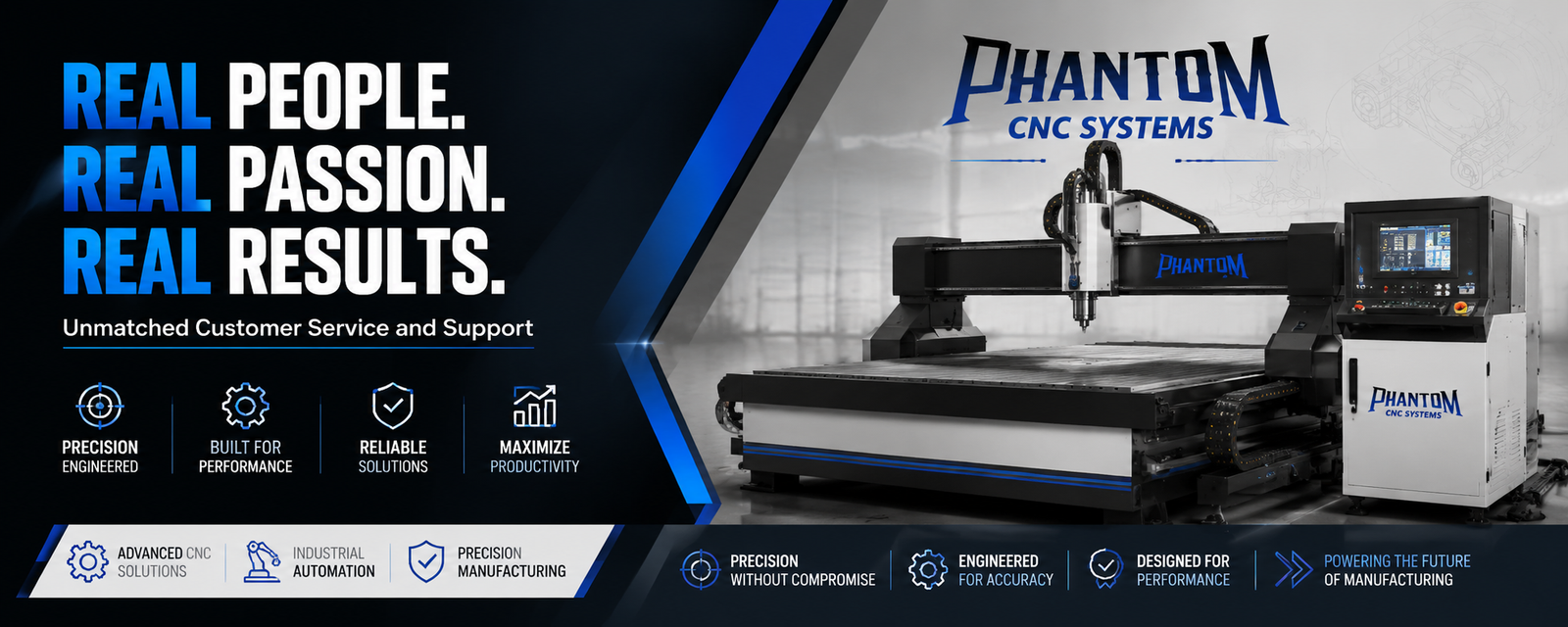
Evaluating options like a Phantom CNC System helps bridge the gap between traditional mechanical cutting and true digital shop automation.
What Is Smart Manufacturing in Modern Metal and Woodworking?
Smart manufacturing is the integration of physical industrial machinery with network connectivity, cloud computing, and real time data analytics. Instead of operating in isolated silos, every piece of equipment on the factory floor shares performance metrics.
In traditional setups, a router or mill follows G-code instructions until an operator stops it or a tool breaks. In a smart factory, sensors constantly track spindle speeds, vibration levels, temperature variations, and material resistance.
Key Characteristics of an Industry 4.0 Smart Shop
-
Predictive Maintenance: Machine sensors identify mechanical wear before catastrophic component failure occurs.
-
Interoperability: CNC equipment communicates directly with enterprise resource planning systems and computer aided design software.
-
Real Time Data Monitoring: Operators and plant managers track job progress, feed rates, and cycle times live on dashboard displays.
-
Flexible Automation: Automated loading, unloading, and quick tool changes allow high mix, low volume production runs without massive downtime.
How CNC Technology Serves as the Backbone of Smart Factories
Computer numerical control has always focused on precision and repeatability. However, its modern role extends far beyond basic path cutting. Today, equipment acts as both the primary execution engine and a vital intelligence node within the digital workflow.
1. Direct CAD/CAM to Machine Integration
The modern digital thread connects computer aided design straight through to the physical part. CAD designs feed into CAM software, generating optimal toolpaths that stream over local networks directly to machine controllers. This seamless transfer removes manual operator input errors and accelerates setup speeds.
2. Edge Computing and Embedded Sensors
Advanced machinery now includes edge processing controllers. These units process sensor data right at the machine level. For example, if a heavy milling operation encounters an unexpected hard spot in a composite panel, the controller instantly adjusts feed rates to prevent tool chatter or bit breakage.
3. Automated Material Handling and Workpiece Positioning
Smart CNC systems rarely operate in complete isolation. They frequently link with pneumatic vacuum hold down tables, automated material feed lifters, and robotic arm loaders. This continuous workflow lowers manual labor requirements and keeps spindle runtime high throughout every shift.
Strategic Advantages of Upgrading to Connected CNC Machinery
Upgrading your shop floor with intelligent equipment delivers tangible operational metrics that directly impact your bottom line.
| Operational Focus | Traditional CNC Machine | Connected Smart CNC System |
| Downtime Prevention | Reactive (repair after breakdown) | Predictive (alerts based on sensor diagnostics) |
| Quality Control | Post-process manual inspection | In-process monitoring and automatic compensation |
| Material Yield | Static nesting layouts | Dynamic real time nesting updates |
| Data Collection | Manual operator job logs | Automated telemetry logging per job |
Implementing Smart CNC Technology: Actionable Steps for Shop Owners
Moving toward an automated, connected workflow does not require replacing every piece of equipment overnight. Step by step integration yields the smoothest transition.
Step 1: Upgrade Controller Networks and Software Compatibility
Ensure your current equipment or prospective purchases utilize open communication standards like MTConnect or OPC UA. These protocols allow different machine brands to communicate with central monitoring software.
Step 2: Focus on Automated Nesting and CAD/CAM Efficiency
Implement software that optimizes panel nesting for sheet goods automatically. High yield nesting minimizes raw material scrap, directly boosting project margins before cutting even starts.
Step 3: Invest in High Performance Hardware Platforms
Work with reliable equipment vendors that build machines designed for continuous, high speed operation. Rigidity, heavy steel frames, servo drive reliability, and intuitive control interfaces are mandatory for sustained accuracy under heavy daily loads.
Related Frequently Asked Questions
How does CNC technology contribute to smart manufacturing?
CNC technology provides the physical precision and automated execution required in smart factories. Modern CNC equipment links with IoT networks and sensor systems to share real time performance metrics, automate toolpath adjustments, and optimize production schedules.
What is the difference between traditional CNC machining and smart CNC machining?
Traditional CNC machining relies heavily on manual operator setups, offline programming, and reactive maintenance. Smart CNC machining incorporates connected sensors, automated material handling, cloud reporting, and predictive maintenance alerts to minimize downtime.
Can existing CNC routers be upgraded for Industry 4.0 integration?
Yes, many standard CNC setups can be retrofitted with IoT sensor packages, edge monitoring hardware, and updated machine control software. These upgrades enable telemetry tracking, spindle temperature monitoring, and networked job management without purchasing an entirely new chassis.
How does predictive maintenance work on a modern CNC system?
Sensors installed on critical components, such as spindles, linear guides, and ball screws, monitor parameters like vibration, thermal expansion, and current draw. When performance strays from normal baseline operating specs, the system prompts operators to schedule maintenance before part quality suffers or total machine failure occurs.
Summary Takeaways for Production Leaders
Smart manufacturing is no longer restricted to multi-million dollar automotive plants. Small to mid-sized job shops, sign makers, cabinet fabricators, and metal shops rely on intelligent automation to stay competitive.
By integrating flexible, heavy duty machinery like a Phantom CNC System into your digital workflow, you secure tighter quality tolerances, lower scrap rates, and maximize daily throughput across your entire facility.
- Business
- Technology
- Finance
- Health
- Fashion
- Lifestyle
- Travel
- Food
- Education
- Real Estate
- Automobile
- Entertainment
- Sports
- Pets
- Home Decor
- Gardening
- Parenting
- Wedding
- Beauty
- Gaming
- Photography
- Music
- Movies
- News
- Politics
- Religion
- Astrology
- Law
- Insurance
- Jobs
- Freelancing
- Remote Work
- Blogging
- E-commerce
- WordPress
- OpenCart
- Social Media
- Graphic Design
- Web Design
- Programming
- Mobile Apps
- Artificial Intelligence
- SaaS
- Cyber Security
- Cloud Computing
- Hosting
- SEO
- Content Writing
- Email Marketing
- Affiliate Marketing
- YouTube
- Podcasting
- Interior Design
- DIY
- Crafts
- Art
- Architecture
- Environment
- Agriculture
- Animals
- Fishing
- Hunting
- Survival
- Outdoor
- Fitness
- Yoga
- Meditation
- Mental Health
- Skin Care
- Hair Care
- Makeup
- Jewelry
- Sarees
- Salwar Kameez
- Lehenga Choli
- Kurtis
- Men Fashion
- Women Fashion
- Kids Fashion
- Footwear
- Bags
- Watches
- Luxury
- Shopping
- Coupons
- Electronics
- Smartphones
- Laptops
- Tablets
- Cameras
- Home Appliances
- Kitchen
- Furniture
- Cleaning
- Baby Care
- Senior Care
- Relationships
- Self Improvement
- Motivation
- Quotes
- Festivals
- Events
- Careers
- Remote Work
- Productivity
- Wholesale
- Manufacturing
- Import Export
- Logistics
- Supply Chain
- Human Resources
- Customer Service
