
How Does a Carbon Dioxide Fire Extinguisher Work? Uses, Benefits, and Limitations
When flames break out, the first sixty seconds often decide how the story ends. That's why having the right tool nearby matters so much, and for many homes, offices, and labs, that tool is a compact red cylinder with a black label. It looks simple from the outside, but a lot of clever chemistry is happening the moment you pull that pin. If you've ever wondered how this device manages to knock down a fire without leaving a mess behind, this guide walks through everything, from the science to the safety tips.
What Is This Type of Extinguisher?
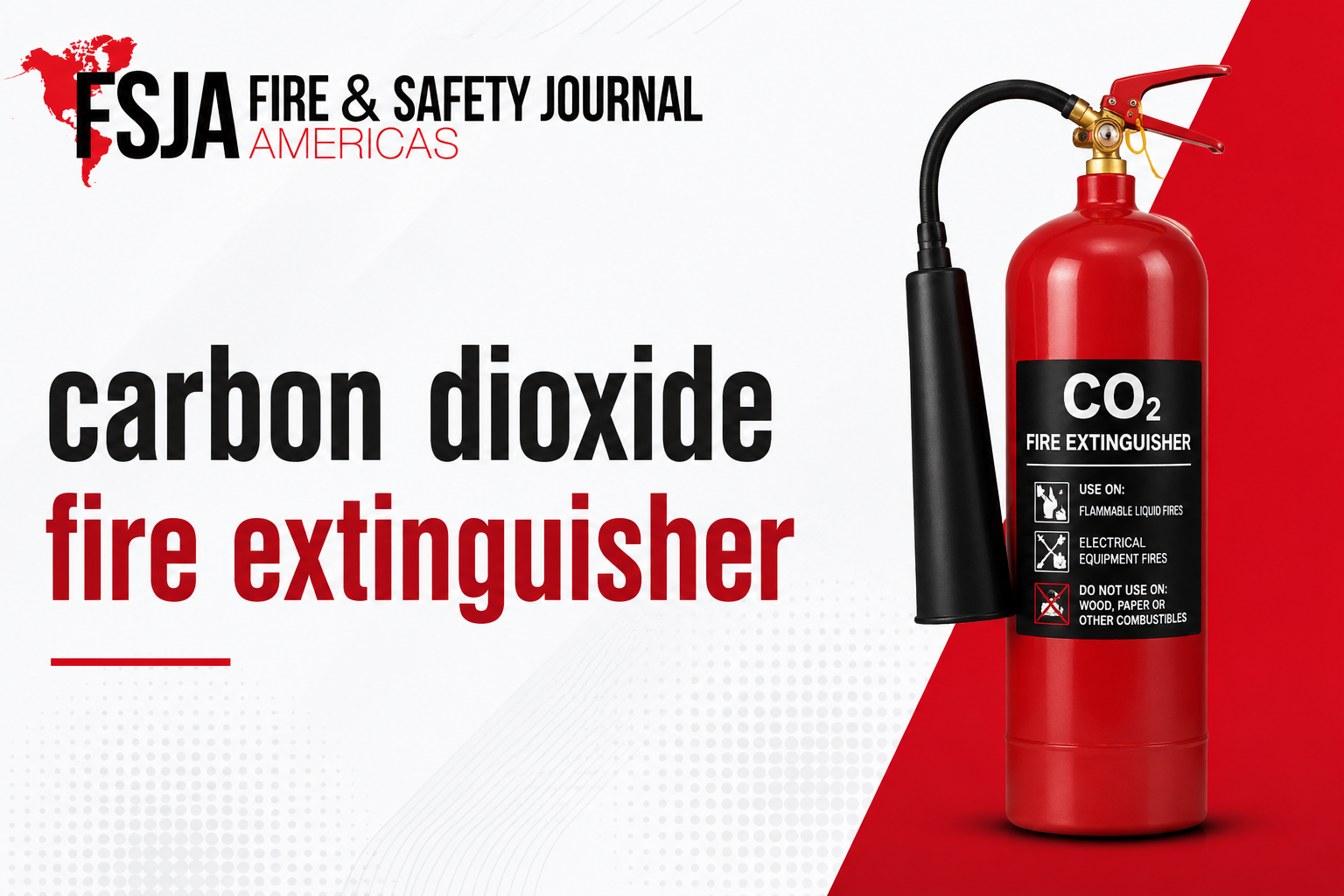
This extinguisher is a pressurized cylinder filled with liquid gas that turns into a dense cloud the instant it's released. You can usually spot one by its hard horn-shaped nozzle and black identification band. Unlike foam or powder units, it doesn't spray anything wet or gritty. It's built specifically for two fire categories: Class B, which covers flammable liquids like grease, solvents, and fuel, and Class C, which covers energized electrical equipment.
How Does It Actually Work?
Every fire needs three things to keep burning: heat, fuel, and oxygen. Take away any one of these, and the flame collapses. This is where science gets interesting.
When the cylinder is discharged, the pressurized gas rapidly expands as it escapes, and that expansion causes a steep drop in temperature. Some of it even forms fine, snow-like particles because of how quickly the pressure changes. This burst does two things at once. First, it displaces the oxygen surrounding the fire, starving the flame of what it needs to keep going. Second, the sudden cold pulls heat away from the burning material, cooling it below the point where combustion can sustain itself.
Using one is straightforward if you remember the acronym PASS:
-
Pull the safety pin at the top of the handle.
-
Aim the horn at the base of the flames, not the top.
-
Squeeze the handle to release the gas.
-
Sweep side to side until the fire is fully out.
The whole process usually takes less than 30 seconds for a small, contained fire, which is part of why these units are so popular in fast-response settings.
Where Are These Extinguishers Commonly Used?
Because the discharge leaves nothing behind, these units are the go-to choice anywhere expensive equipment or sensitive materials are at risk. Server rooms and data centers rely on them heavily, since a foam or powder extinguisher could destroy hardware that a fire alone might have spared. Laboratories keep them close for the same reason, especially where chemicals and electronics share the same space.
Commercial kitchens often position one near electrical panels and fryers as a backup to their primary suppression system. Garages, workshops, and print shops also favor them because these environments frequently combine electrical wiring with flammable liquids like paint thinner or motor oil. In short, wherever you find a mix of live electricity and combustible fluids, you'll likely find one of these cylinders mounted on the wall nearby.
What Are the Benefits?
The biggest selling point is that it's clean. There's no chemical residue, no sticky foam, and no fine powder to vacuum out of a keyboard or server rack afterward. This makes it ideal for protecting electronics, important documents, and machinery that would otherwise suffer collateral damage from the extinguishing agent itself.
It's also non-conductive, meaning it's safe to use on live electrical fires without the risk of the current traveling back up the stream toward the person holding it. Compared to water-based options, this is a major advantage in server rooms and control panels. In open, well-ventilated spaces, it poses minimal toxicity concerns, and it does double duty across both flammable liquid fires and electrical fires, so a single unit can handle more than one type of emergency.
Surfaces and equipment also come away undamaged after use, which matters a great deal in settings where a single extinguisher discharge could otherwise mean thousands of dollars in ruined inventory or hardware.
What Are the Limitations?
No fire safety tool is perfect for every scenario, and this one comes with a few important caveats. It's not effective on Class A fires involving wood, paper, cloth, or trash, because it doesn't leave any cooling residue on the material, which means the fire can reignite once the gas disperses. It's also unsuitable for Class D metal fires or Class K cooking oil fires, both of which require specialized agents.
One real safety concern with a carbon dioxide fire extinguisher scenario can arise in small, poorly ventilated rooms, where a full discharge can displace enough breathable air to pose a suffocation risk to anyone still inside. This is why proper ventilation and awareness of room size matter just as much as knowing how to operate the device itself.
There are a few other practical trade-offs to keep in mind. The effective range is shorter than that of many other extinguisher types, so users often need to get closer to the flames than they'd like. The horn and nozzle also get extremely cold during discharge, and touching them directly can cause frostbite within seconds. Outdoors or in windy conditions, the gas disperses too quickly to build up the concentration needed to smother a flame, which limits its usefulness outside enclosed spaces.
Safety Tips Worth Remembering
A few habits go a long way toward using this equipment safely and effectively:
-
Always ventilate the area immediately after discharge, especially in small rooms.
-
Never grip the horn or nozzle with bare hands while spraying.
-
Check the pressure gauge and tamper seal monthly to confirm the unit is ready to use.
-
Get hands-on training so the PASS technique becomes second nature under pressure.
-
Keep the unit mounted somewhere visible and unobstructed, close to likely fire sources but not directly next to them.
conclusion
Understanding how this equipment functions, where it excels, and where it falls short puts you in a much better position to respond quickly and safely when it matters most. Matching the right extinguisher to the right hazard, whether that's a server room, a workshop, or a kitchen electrical panel, is one of the simplest ways to limit damage and protect the people around you. For more practical safety breakdowns like this one, Fire and Safety Journal Americas is a solid resource to keep bookmarked.
FAQs
Can this extinguisher be used on a wood or paper fire?
No. It lacks the cooling residue needed to fully stop combustible materials like wood, paper, or cloth from reigniting, so it's best reserved for liquid and electrical fires.
Is it safe to use indoors?
Yes, but ventilation matters. In small, enclosed spaces, discharge the unit and then air out the room promptly, since it can temporarily lower breathable oxygen levels.
Why does the nozzle get so cold?
The gas expands rapidly as it's released, and that expansion causes a sharp temperature drop, sometimes forming ice-like particles right at the horn.
How often should this extinguisher be inspected?
Check the pressure gauge and tamper seal monthly, and schedule a professional inspection annually to ensure it's fully operational when needed.
Does it leave any residue after use?
No. That's one of its biggest advantages, it dissipates completely into the air, leaving equipment, documents, and surfaces undamaged.
- Business
- Technology
- Finance
- Health
- Fashion
- Lifestyle
- Travel
- Food
- Education
- Real Estate
- Automobile
- Entertainment
- Sports
- Pets
- Home Decor
- Gardening
- Parenting
- Wedding
- Beauty
- Gaming
- Photography
- Music
- Movies
- News
- Politics
- Religion
- Astrology
- Law
- Insurance
- Jobs
- Freelancing
- Remote Work
- Blogging
- E-commerce
- WordPress
- OpenCart
- Social Media
- Graphic Design
- Web Design
- Programming
- Mobile Apps
- Artificial Intelligence
- SaaS
- Cyber Security
- Cloud Computing
- Hosting
- SEO
- Content Writing
- Email Marketing
- Affiliate Marketing
- YouTube
- Podcasting
- Interior Design
- DIY
- Crafts
- Art
- Architecture
- Environment
- Agriculture
- Animals
- Fishing
- Hunting
- Survival
- Outdoor
- Fitness
- Yoga
- Meditation
- Mental Health
- Skin Care
- Hair Care
- Makeup
- Jewelry
- Sarees
- Salwar Kameez
- Lehenga Choli
- Kurtis
- Men Fashion
- Women Fashion
- Kids Fashion
- Footwear
- Bags
- Watches
- Luxury
- Shopping
- Coupons
- Electronics
- Smartphones
- Laptops
- Tablets
- Cameras
- Home Appliances
- Kitchen
- Furniture
- Cleaning
- Baby Care
- Senior Care
- Relationships
- Self Improvement
- Motivation
- Quotes
- Festivals
- Events
- Careers
- Remote Work
- Productivity
- Wholesale
- Manufacturing
- Import Export
- Logistics
- Supply Chain
- Human Resources
- Customer Service
