
How Often Should You Get Laser Hair Removal?
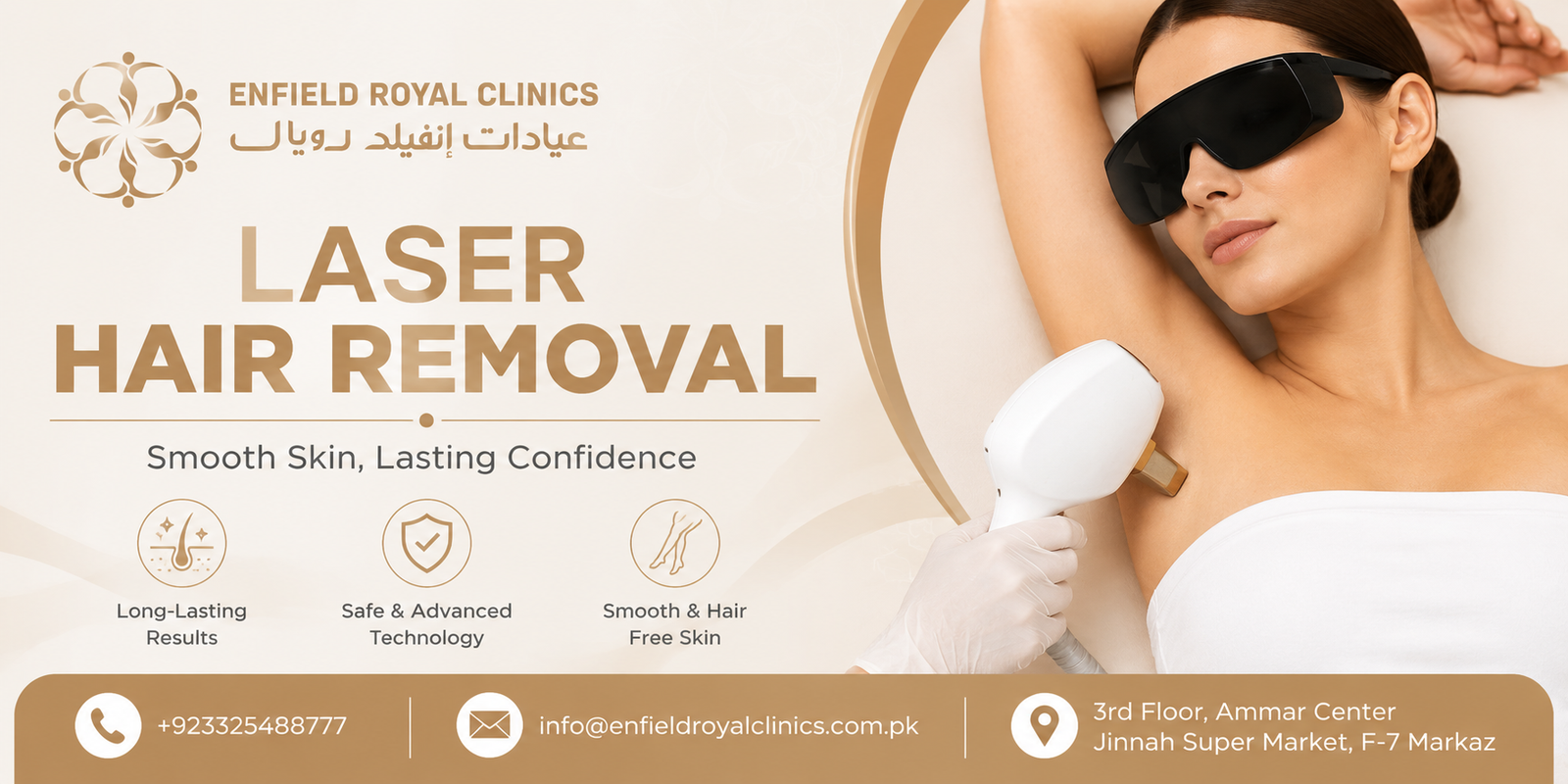
Laser Hair Removal is a popular option for reducing unwanted hair and achieving smoother-looking skin with less frequent shaving or waxing. However, getting the best results depends not only on the technology used but also on the timing of each session. Many people wonder how often they should schedule appointments and whether treating the same area more frequently will produce faster results.
The answer depends mainly on the natural hair-growth cycle. Hair does not grow evenly throughout the body, and laser treatment works most effectively when follicles are in a particular stage of growth. Because of this, sessions need to be spaced appropriately rather than performed too close together.
Why Does Treatment Need to Be Spaced Out?
Hair follicles go through several stages during their natural growth cycle. These include active growth, a resting period, and shedding. Laser energy is generally most effective when the hair follicle is in the active growth phase.
Not every follicle is in this phase at the same time. When treatment is performed, only the follicles that are suitable for targeting during that particular period can respond effectively.
Waiting between appointments allows other follicles to enter a more responsive stage. This is why scheduling sessions too frequently does not necessarily produce faster or better results.
How Often Are Sessions Usually Scheduled?
The ideal interval varies according to the treatment area and the individual's hair-growth pattern. Facial areas often grow more quickly than some body areas, so appointments may be scheduled at shorter intervals.
Larger body areas, such as the legs, arms, back, or chest, may require more time between treatments because their hair-growth cycles can be slower.
A practitioner will normally recommend a personalized schedule after evaluating your hair density, treatment area, skin type, and previous response to treatment.
Why Is the Face Treated Differently?
Facial hair can have a different growth pattern from body hair and may be strongly influenced by hormones. Areas such as the upper lip, chin, jawline, and neck can sometimes show faster or more persistent regrowth.
Because of this, facial sessions may need to be scheduled differently from treatments on the legs or arms.
Hormonal activity can also result in new hair growth over time, meaning facial areas may require more ongoing maintenance than some other parts of the body.
How Many Weeks Should You Wait?
There is no universal number of weeks that applies to every person and every body area. The appropriate interval is based on when enough new hair has entered the growth stage that makes it responsive to treatment.
Scheduling another session too soon may mean that fewer target follicles are in the ideal phase. Waiting too long may slow down the overall treatment course.
Rather than choosing an interval based solely on a calendar, your provider can evaluate visible regrowth and recommend the most appropriate time for the next appointment.
What Happens If You Treat Too Frequently?
More frequent appointments do not automatically mean faster hair reduction. If many follicles are still in a resting phase, there may be fewer suitable targets during an early follow-up session.
Treating skin before it has fully recovered can also increase irritation and discomfort. Your skin needs enough time to settle between procedures.
Following the treatment schedule recommended by a qualified professional is therefore generally more useful than trying to shorten the interval independently.
What Happens If You Wait Too Long?
Missing or delaying a session does not usually erase your previous progress. However, a long gap can extend the overall time needed to complete the treatment course.
Hair follicles continue cycling naturally, so newly active follicles may produce visible growth during a prolonged break.
If you need to postpone an appointment, your provider can usually adjust the schedule according to the current growth pattern rather than starting the process from the beginning.
Does Hair Color Affect Treatment Timing?
Hair color can influence how well the laser targets the follicle. Darker hair often responds more effectively because it contains more melanin, which absorbs the laser energy.
Very light blonde, white, or gray hair may respond less effectively because there is less pigment available for the laser to target.
Although hair color does not necessarily determine the exact session interval, it can influence the overall number of treatments required and how quickly visible reduction develops.
Does Skin Tone Affect Session Frequency?
Skin tone may influence the laser technology and settings selected for treatment. Darker skin contains more melanin, so careful adjustments may be necessary to protect the surrounding skin while still targeting the hair.
Modern systems can treat a broad range of skin tones, but treatment should be customized rather than based on a standard setting.
Your practitioner may also modify the treatment plan depending on how your skin responds after each session.
Can Hormones Change the Treatment Schedule?
Hormonal changes can influence hair growth and may lead to new or persistent hair, particularly on the face.
People with hormonally influenced hair growth may require more sessions or occasional maintenance treatments. The exact schedule depends on the individual's response and the underlying factors affecting hair production.
If unwanted hair suddenly increases or changes significantly, discussing the issue with a qualified healthcare professional may be appropriate.
How Can You Prepare Between Sessions?
Following proper care between appointments can help maintain a consistent treatment plan. Shaving is often preferred when hair needs to be managed because it removes visible hair without pulling the follicle from the root.
Waxing, tweezing, and plucking are generally avoided during a treatment course when instructed because they remove the follicle's target.
Protecting treated skin from excessive sun exposure is also important. Use appropriate sun protection and follow the clinic's recommendations before returning for your next appointment.
What If Hair Grows Back Quickly?
Fast regrowth does not always mean that another session should be performed immediately. Visible hair may include follicles that were not in the correct growth phase during the previous appointment.
Your provider can determine whether the new hair is ready for treatment based on the growth pattern of the area.
It is better to follow a professional schedule than to book repeated sessions simply because hair becomes visible again.
Are Maintenance Sessions Necessary?
After completing the initial course, some people need occasional maintenance treatments. This is normal because laser treatment is intended to provide long-term hair reduction rather than guarantee that every follicle will remain inactive forever.
Hormones, aging, genetics, and natural changes in hair growth can contribute to future regrowth.
Maintenance schedules vary greatly. Some people may require only occasional treatment, while others may need more regular appointments depending on their individual response.
What Results Can You Expect Over Time?
Results usually develop gradually. After each session, treated hair may shed, while other follicles continue growing until they are targeted during future appointments.
As the treatment course progresses, many people notice slower regrowth, finer hairs, and lower overall density.
The amount of improvement depends on factors such as hair color, thickness, skin tone, treatment area, hormones, and adherence to the recommended schedule.
Why Is a Personalized Schedule Important?
Every individual has a different hair-growth pattern. Using the same appointment interval for everyone may not provide the most effective approach.
A personalized treatment plan considers the specific area, hair characteristics, skin response, and progress from earlier sessions.
Regular communication with your practitioner also allows the treatment schedule to be adjusted when necessary.
Final Thoughts
The ideal frequency of Laser Hair Removal depends on the treatment area, natural hair-growth cycle, skin tone, hair characteristics, and individual response. Sessions need to be spaced far enough apart for new follicles to enter a suitable growth phase and for the skin to recover.
Treating too frequently does not necessarily speed up results, while long delays can extend the overall treatment period. Following a personalized schedule can help you achieve more consistent and effective hair reduction.
A consultation with a qualified practitioner can help determine the right interval for each treatment area and explain when maintenance sessions may be needed to manage future regrowth.
For more information visit Enfield royal clinic in islamabad
- Business
- Technology
- Finance
- Health
- Fashion
- Lifestyle
- Travel
- Food
- Education
- Real Estate
- Automobile
- Entertainment
- Sports
- Pets
- Home Decor
- Gardening
- Parenting
- Wedding
- Beauty
- Gaming
- Photography
- Music
- Movies
- News
- Politics
- Religion
- Astrology
- Law
- Insurance
- Jobs
- Freelancing
- Remote Work
- Blogging
- E-commerce
- WordPress
- OpenCart
- Social Media
- Graphic Design
- Web Design
- Programming
- Mobile Apps
- Artificial Intelligence
- SaaS
- Cyber Security
- Cloud Computing
- Hosting
- SEO
- Content Writing
- Email Marketing
- Affiliate Marketing
- YouTube
- Podcasting
- Interior Design
- DIY
- Crafts
- Art
- Architecture
- Environment
- Agriculture
- Animals
- Fishing
- Hunting
- Survival
- Outdoor
- Fitness
- Yoga
- Meditation
- Mental Health
- Skin Care
- Hair Care
- Makeup
- Jewelry
- Sarees
- Salwar Kameez
- Lehenga Choli
- Kurtis
- Men Fashion
- Women Fashion
- Kids Fashion
- Footwear
- Bags
- Watches
- Luxury
- Shopping
- Coupons
- Electronics
- Smartphones
- Laptops
- Tablets
- Cameras
- Home Appliances
- Kitchen
- Furniture
- Cleaning
- Baby Care
- Senior Care
- Relationships
- Self Improvement
- Motivation
- Quotes
- Festivals
- Events
- Careers
- Remote Work
- Productivity
- Wholesale
- Manufacturing
- Import Export
- Logistics
- Supply Chain
- Human Resources
- Customer Service
