
Ranthambore Safari: Discover the Royal Bengal Tigers in the Wild
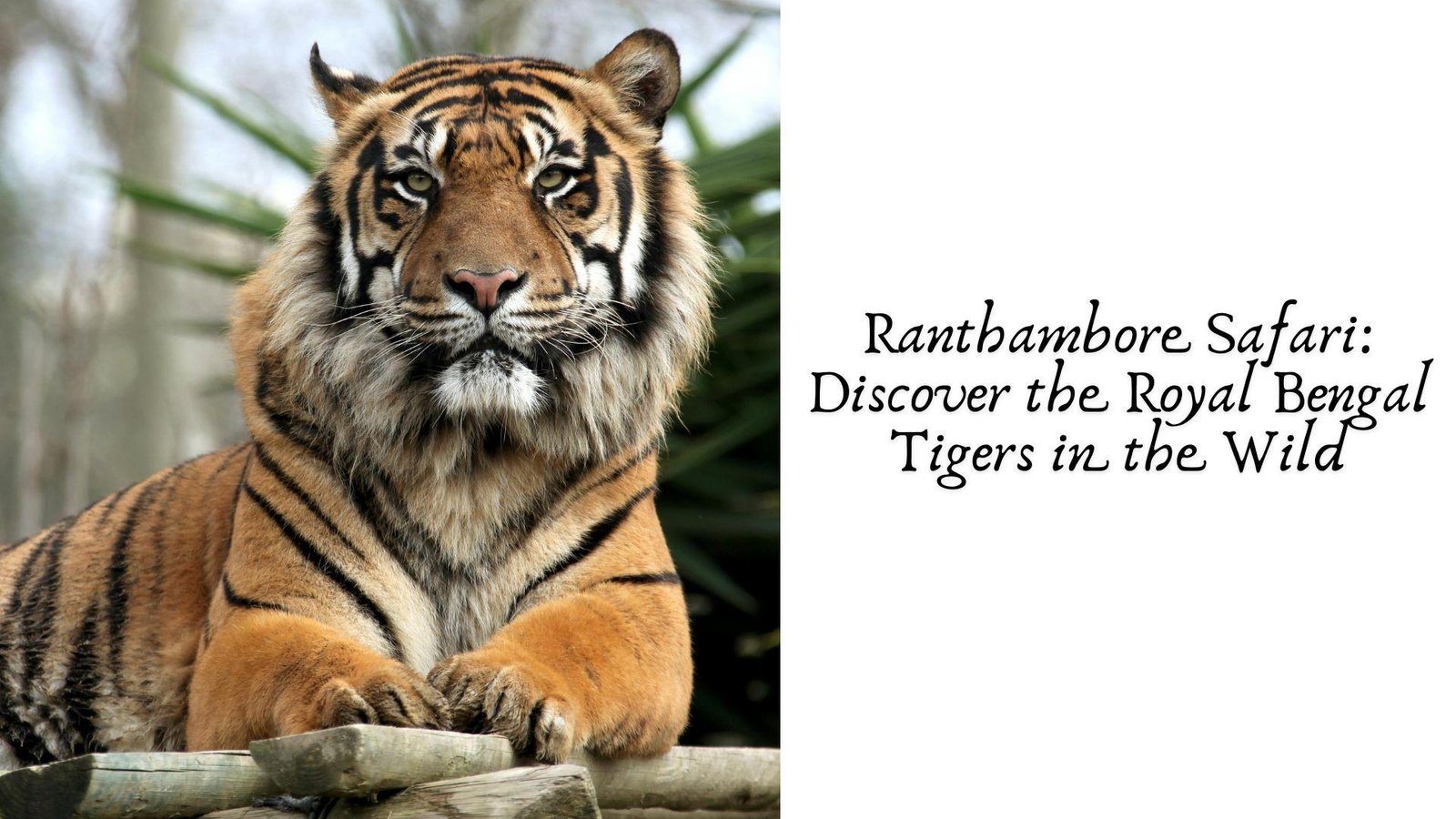
Ranthambore Safari | Eye Of The Tiger
Ranthambore Safari is one of India’s most exciting wildlife experiences, offering visitors the opportunity to explore the natural habitat of the magnificent Royal Bengal Tiger. Located in Rajasthan, Ranthambore National Park combines dramatic landscapes, ancient heritage, dense forests, lakes, grasslands, and diverse wildlife to create an unforgettable safari experience.
For wildlife enthusiasts, photographers, nature lovers, and travelers searching for an authentic jungle adventure, a Ranthambore Safari provides a chance to witness animals in their natural surroundings rather than behind the boundaries of a zoo. Among all the wildlife found here, the Royal Bengal Tiger remains the star attraction. Spotting a tiger moving through the forest, resting beside a waterhole, or emerging from the tall grass can become one of the most memorable moments of a lifetime.
With its unique combination of wildlife and history, Ranthambore offers much more than a conventional jungle tour. It is a destination where the excitement of the Eye Of The Tiger comes alive against the beautiful backdrop of Rajasthan.
What Makes Ranthambore Safari Special?
Ranthambore National Park is widely recognized as one of India's important tiger habitats. Its varied terrain provides an excellent environment for numerous species of mammals, reptiles, and birds. The landscape includes dry deciduous forests, open meadows, rocky hills, lakes, streams, and dense vegetation.
What makes a Ranthambore Safari particularly fascinating is the possibility of encountering wildlife unexpectedly. A safari is not a scripted experience. Every drive through the forest is different, and every turn may reveal something new.
You may see a herd of spotted deer grazing in an open meadow, langurs watching from the trees, crocodiles resting near a lake, or colorful birds flying across the forest. And then, perhaps, the jungle becomes unusually quiet—a moment that can signal the presence of a tiger nearby.
This element of uncertainty and anticipation is one of the biggest attractions of a Ranthambore wildlife experience.
The Royal Bengal Tiger: The Star of Ranthambore
The Royal Bengal Tiger is one of the world's most admired wild animals. Powerful, graceful, territorial, and elusive, the tiger represents the strength and beauty of the Indian wilderness.
Ranthambore provides an important natural habitat for these magnificent predators. Tigers here have become particularly popular among wildlife photographers because the park's open landscapes and water bodies can sometimes provide excellent opportunities for observation.
Seeing a tiger in the wild is completely different from seeing one in captivity. There are no guarantees. You may spend hours exploring the forest without seeing one, only to experience an unforgettable sighting when a tiger suddenly appears.
A tiger may walk quietly along a forest trail, cross a road, rest beneath a tree, or approach a water source. Sometimes it may remain hidden among vegetation, revealing only its distinctive orange coat and black stripes for a few seconds.
That unpredictability is what makes the Eye Of The Tiger experience so thrilling.
Exploring Ranthambore National Park
A safari gives visitors an opportunity to explore different parts of Ranthambore National Park while searching for wildlife. The park's varied ecosystem supports a remarkable range of species.
The combination of forest, grassland, lakes, and rocky terrain creates habitats for predators as well as herbivores. During a safari, travelers can observe how different animals interact with their surroundings and how the ecosystem functions as a whole.
The scenery itself is another reason to visit. Ancient ruins, rocky landscapes, trees, water bodies, and forest trails create a distinctive atmosphere that makes Ranthambore different from many other wildlife destinations.
Wildlife You Can See on a Ranthambore Safari
Although tigers are the biggest attraction, Ranthambore is home to many other fascinating animals.
Spotted Deer
Spotted deer, also known as chital, are commonly associated with India's forest ecosystems. Their attractive coats and social behavior make them popular subjects for wildlife photography.
Large groups can often be seen grazing in open areas. Because deer are also an important prey species for tigers, observing their behavior can sometimes provide clues about predator activity.
Sambar Deer
The sambar is one of India's largest deer species. These animals are particularly impressive because of their size and distinctive appearance.
A sambar standing quietly near a water source can make an excellent wildlife photography subject. Their alert behavior also makes them interesting to observe during tiger tracking.
Sloth Bears
Ranthambore is also home to sloth bears. These shy and sometimes unpredictable animals are less commonly encountered than deer or birds, which makes a sighting especially exciting.
If you are fortunate enough to see one during your safari, maintaining a safe distance and following the guide's instructions is essential.
Leopards
Leopards are another important predator found in the region. They are generally more elusive than tigers and can be difficult to spot because of their camouflage and secretive behavior.
A leopard sighting can therefore be an especially rewarding experience for wildlife enthusiasts.
Crocodiles
Water bodies within the park can provide habitat for crocodiles. They may be seen resting along the shoreline or partially submerged in water.
Because crocodiles can remain remarkably still, visitors may initially mistake them for rocks or fallen logs.
Langurs and Other Mammals
Hanuman langurs are frequently seen in the park. Their movements and alarm calls can add another dimension to the safari experience.
Other animals that may be encountered include wild boar, nilgai, Indian gazelle, jackals, hyenas, and various smaller mammals.
Birdwatching at Ranthambore
Ranthambore is not only a destination for tiger lovers. It can also be an excellent place for birdwatching.
The park and surrounding habitats support numerous resident and migratory bird species. Depending on the season and location, visitors may encounter peafowl, kingfishers, eagles, vultures, parakeets, owls, herons, storks, and many other birds.
Birds often add color and movement to the safari landscape. While waiting for a tiger sighting, travelers can enjoy observing the smaller details of the ecosystem.
For photographers, this provides opportunities to capture a wide variety of subjects rather than focusing exclusively on large mammals.
The Best Time to Experience Ranthambore Safari
Choosing the right season can make a significant difference to your wildlife experience.
The cooler months are generally comfortable for traveling and enjoying outdoor activities. During the warmer part of the year, vegetation may become less dense in some areas and animals may spend more time around water sources.
However, every season has its own character.
Winter can offer pleasant weather and beautiful morning landscapes. Spring can provide changing vegetation and active wildlife. Summer can be hot, but the dry conditions may sometimes make animals easier to locate around remaining water sources.
Before planning your trip, it is advisable to check current park rules, safari schedules, zone availability, and seasonal conditions.
Morning and Afternoon Safari Experiences
Ranthambore Safari experiences are commonly associated with morning and afternoon drives.
A morning safari can be particularly enjoyable because the forest is fresh and temperatures are usually cooler. Early morning light can also create beautiful conditions for photography.
Afternoon safaris offer a different atmosphere. As temperatures change and the day progresses, animal activity may shift. The warm light toward the later part of the afternoon can create excellent photographic conditions.
Both experiences can be rewarding, and travelers who want to maximize their chances of seeing wildlife may consider experiencing more than one safari.
Why Safari Guides Matter
A knowledgeable naturalist or safari guide can significantly improve your experience.
Wildlife guides understand animal behavior, forest routes, alarm calls, tracks, and signs of animal activity. They may recognize when nearby deer or langurs are behaving unusually, potentially indicating the presence of a predator.
A guide can also help visitors identify birds, trees, mammals, reptiles, and other elements of the ecosystem that might otherwise go unnoticed.
However, it is important to remember that wildlife sightings can never be guaranteed. Even the most experienced guide cannot control where a wild animal chooses to move.
Ranthambore Safari and Wildlife Photography
Ranthambore is an attractive destination for wildlife photographers because of its diverse subjects and distinctive landscapes.
Photographers may capture everything from dramatic tiger portraits to intimate images of birds, deer, reptiles, and forest scenery.
If photography is an important part of your trip, consider carrying appropriate equipment and learning basic wildlife photography techniques before your visit.
A long telephoto lens can be useful for maintaining a safe distance while photographing animals. Patience is equally important. Wildlife photography often involves waiting quietly for the right moment.
The best photograph is not always the closest photograph. Respecting the animal's space should always come before getting a particular shot.
How to Prepare for Your Ranthambore Safari
Preparation can make your safari more comfortable and enjoyable.
Wear comfortable clothing suitable for outdoor conditions. Neutral colors are generally preferable because they blend more naturally with the environment.
Carry essentials such as:
- Comfortable outdoor clothing
- Sunglasses
- Hat or cap
- Sunscreen
- Water bottle
- Camera and spare batteries
- Binoculars
- Personal medication if required
- A light jacket during cooler months
Avoid carrying unnecessary items and always follow the instructions provided by safari staff and guides.
Responsible Wildlife Tourism
A memorable safari should also be a responsible safari.
Wild animals should never be disturbed for photographs or closer views. Visitors should avoid making unnecessary noise, feeding animals, littering, or attempting to attract wildlife.
Safari vehicles should remain on designated routes, and guests should follow park regulations at all times.
Responsible tourism helps protect the ecosystem while allowing future generations to experience the same wilderness.
The goal of a wildlife safari should not simply be to collect photographs. It should also be to understand and respect the natural environment.
Ranthambore Fort and the Historical Landscape
One of the unique aspects of visiting Ranthambore is the combination of wildlife and history.
The region is associated with the historic Ranthambore Fort, which rises dramatically above the surrounding landscape. The presence of ancient architecture within and around a wildlife-rich environment gives the destination a distinctive character.
Travelers can therefore combine a jungle experience with an exploration of Rajasthan's historical heritage.
The contrast between ancient stone structures and the surrounding wilderness creates memorable views and reinforces the sense that Ranthambore is much more than a conventional tourist destination.
Planning Your Ranthambore Safari Trip
Good planning can help make your trip smoother.
Before traveling, research safari availability, entry requirements, accommodation options, transportation, weather conditions, and local regulations. Booking in advance may be especially important during popular travel periods.
It is also worth planning enough time for the destination rather than treating the safari as a rushed day trip.
Ranthambore offers wildlife, history, photography, landscapes, and local culture. Allowing additional time can make the overall journey more relaxing and rewarding.
What Makes a Tiger Sighting So Memorable?
There is something uniquely powerful about seeing a wild tiger.
You may hear an alarm call first. The guide may suddenly slow the vehicle. Everyone becomes quiet. Eyes begin scanning the forest.
Then, through the vegetation, you see movement.
A tiger emerges.
For a few moments, the entire safari vehicle becomes silent. The animal may walk confidently across the landscape, pause near the road, or disappear into the forest.
That brief encounter can remain in your memory long after the safari has ended.
This is the essence of the Eye Of The Tiger experience—not simply seeing a tiger, but witnessing one as part of its natural world.
Why Ranthambore Should Be on Your Wildlife Travel List
For travelers interested in Indian wildlife, Ranthambore offers an exceptional combination of attractions.
It provides opportunities to:
- Search for the Royal Bengal Tiger
- Explore diverse forest landscapes
- Observe birds and mammals
- Experience wildlife photography
- Discover historic heritage
- Enjoy guided jungle excursions
- Learn about wildlife conservation
- Experience the excitement of an unpredictable safari
Most importantly, a Ranthambore Safari creates a connection with nature that is difficult to replicate elsewhere.
Conclusion
A Ranthambore Safari is an opportunity to step into one of India's most fascinating wildlife environments and experience the wilderness from close—but respectful—quarters. The Royal Bengal Tiger may be the biggest attraction, but the true beauty of Ranthambore lies in its entire ecosystem.
From spotted deer grazing in open meadows to birds flying over ancient landscapes, from crocodiles near water bodies to elusive predators moving through the forest, every safari offers a different story.
For anyone dreaming of seeing a tiger in its natural habitat, Ranthambore is a destination worth considering. With thoughtful planning, responsible wildlife practices, and patience, your journey can become more than a holiday—it can become an unforgettable encounter with the wild.
Ranthambore Safari | Eye Of The Tiger captures the spirit of this extraordinary destination: adventure, nature, wildlife, and the timeless fascination of the Royal Bengal Tiger.
- Business
- Technology
- Finance
- Health
- Fashion
- Lifestyle
- Travel
- Food
- Education
- Real Estate
- Automobile
- Entertainment
- Sports
- Pets
- Home Decor
- Gardening
- Parenting
- Wedding
- Beauty
- Gaming
- Photography
- Music
- Movies
- News
- Politics
- Religion
- Astrology
- Law
- Insurance
- Jobs
- Freelancing
- Remote Work
- Blogging
- E-commerce
- WordPress
- OpenCart
- Social Media
- Graphic Design
- Web Design
- Programming
- Mobile Apps
- Artificial Intelligence
- SaaS
- Cyber Security
- Cloud Computing
- Hosting
- SEO
- Content Writing
- Email Marketing
- Affiliate Marketing
- YouTube
- Podcasting
- Interior Design
- DIY
- Crafts
- Art
- Architecture
- Environment
- Agriculture
- Animals
- Fishing
- Hunting
- Survival
- Outdoor
- Fitness
- Yoga
- Meditation
- Mental Health
- Skin Care
- Hair Care
- Makeup
- Jewelry
- Sarees
- Salwar Kameez
- Lehenga Choli
- Kurtis
- Men Fashion
- Women Fashion
- Kids Fashion
- Footwear
- Bags
- Watches
- Luxury
- Shopping
- Coupons
- Electronics
- Smartphones
- Laptops
- Tablets
- Cameras
- Home Appliances
- Kitchen
- Furniture
- Cleaning
- Baby Care
- Senior Care
- Relationships
- Self Improvement
- Motivation
- Quotes
- Festivals
- Events
- Careers
- Remote Work
- Productivity
- Wholesale
- Manufacturing
- Import Export
- Logistics
- Supply Chain
- Human Resources
- Customer Service
