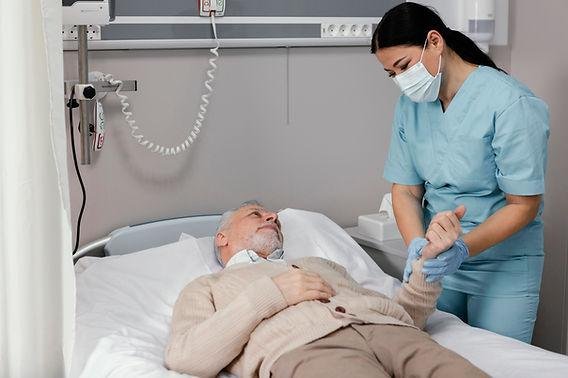
Caring for a loved one who requires nutritional support can feel challenging at first, especially when managing a feeding tube for the first time. Tube feeding at home in Dubai provides patients with a safe way to receive essential nutrition while staying in a comfortable and familiar environment. With the guidance of a Doctor at Home and trained healthcare professionals, new caregivers can learn the correct techniques, safety practices, and daily routines needed to support patients effectively. Understanding the basics of tube feeding helps caregivers build confidence, prevent complications, and provide compassionate care that supports the patient’s health and overall well-being.
Understanding Tube Feeding at Home:
Tube feeding is a method of providing nutrition directly into the stomach or small intestine through a feeding tube when a person cannot consume enough food orally. It may be required for patients with swallowing difficulties, neurological conditions, recovery needs, or chronic health issues. For new caregivers, understanding how tube feeding works is the first step toward providing safe and effective support. Healthcare professionals guide families through feeding procedures, equipment use, and care routines to ensure patients receive proper nutrition.
Learning the Basics Before Starting Care:
Before taking responsibility for tube feeding, caregivers should receive proper training and understand the patient’s specific care requirements. Every patient has different nutritional needs, feeding schedules, and medical considerations. Learning the basics helps caregivers feel prepared and reduces the risk of mistakes during daily feeding routines.
New caregivers should understand:
- The type of feeding tube being used
- The patient’s prescribed feeding schedule
- The correct nutritional formula
- Equipment operation and maintenance
- Proper hygiene procedures
- Signs that require medical attention
A strong understanding of these basics creates a safer and more comfortable feeding experience.
Preparing a Safe Feeding Environment:
Creating an organized and clean feeding area is important for successful tube feeding at home. Caregivers should prepare all necessary supplies before each feeding session to ensure a smooth process. A comfortable environment also helps patients feel relaxed and supported during feeding.
Important preparation steps include:
- Keeping feeding supplies in a clean area
- Checking equipment before use
- Preparing the required formula and tools
- Ensuring proper patient positioning
- Maintaining a calm and comfortable atmosphere
- Keeping emergency contact information available
A well-prepared environment makes daily care easier and reduces unnecessary stress.
Following Proper Feeding Techniques:
Correct feeding techniques are essential for patient safety and comfort. New caregivers should always follow the instructions provided by healthcare professionals and avoid making changes without medical advice. Proper procedures help ensure that nutrition is delivered effectively.
Important feeding practices include:
- Washing hands before handling supplies
- Confirming the correct feeding formula
- Following the recommended feeding speed
- Keeping the patient properly positioned
- Flushing the tube according to instructions
- Observing the patient during and after feeding
Following these steps helps prevent common feeding issues and supports better patient outcomes.
Maintaining Hygiene and Preventing Infections:
Hygiene is one of the most important responsibilities for caregivers managing tube feeding at home. Since feeding tubes require careful handling, maintaining cleanliness helps reduce the risk of infections and complications.
Caregivers should focus on:
- Washing hands before every feeding session
- Cleaning feeding equipment properly
- Keeping the tube insertion area clean
- Storing formulas safely
- Using supplies as recommended
- Following equipment replacement guidelines
Consistent hygiene practices protect the patient’s health and support safer long-term care.
Monitoring the Patient During Feeding:
Observation is a key responsibility for caregivers. Patients may respond differently to tube feeding, and caregivers should pay attention to any changes in comfort, digestion, or overall condition. Regular monitoring helps identify concerns early.
Caregivers should observe:
- Signs of discomfort during feeding
- Changes in appetite or energy levels
- Digestive problems
- Tube position and condition
- Skin irritation around the tube site
- Changes in weight or hydration
Keeping track of these details allows healthcare providers to make informed decisions about the patient’s care.
Recognizing Common Tube Feeding Challenges:
New caregivers may face challenges while learning tube feeding routines. Understanding common problems helps caregivers respond appropriately and seek professional advice when needed.
Possible challenges include:
- Tube blockage
- Leakage around the tube site
- Feeding intolerance
- Nausea or discomfort
- Skin irritation
- Difficulty managing equipment
Caregivers should never ignore unusual symptoms. Contacting healthcare professionals early can help prevent more serious complications.
Managing Feeding Equipment Correctly:
Proper equipment care is essential for safe and uninterrupted tube feeding. Caregivers should learn how to use feeding pumps, syringes, tubes, and other supplies correctly. Good equipment management improves feeding efficiency and reduces risks.
Equipment care tips include:
- Inspecting equipment before each use
- Cleaning reusable items properly
- Storing supplies in a safe location
- Replacing damaged equipment promptly
- Following professional instructions carefully
Reliable equipment management supports consistent nutritional delivery.
Keeping Accurate Feeding Records:
Maintaining records can help caregivers and healthcare providers understand the patient’s progress. Written information allows medical teams to evaluate whether the feeding plan is working effectively and identify areas that may need adjustment.
Caregivers can record:
- Feeding times and amounts
- Formula details
- Water intake
- Patient reactions
- Medication administration
- Any concerns or changes
Accurate records improve communication and support better care decisions.
Supporting Patient Comfort and Emotional Well-Being:
Tube feeding is not only a medical process; it is also an important part of the patient’s daily life. Caregivers should focus on maintaining comfort, dignity, and emotional support throughout the feeding experience. A positive approach can help patients feel more secure and involved.
Caregivers can support comfort by:
- Communicating with the patient during care
- Maintaining familiar routines
- Providing reassurance
- Encouraging independence when possible
- Creating a positive feeding environment
Emotional support plays an important role in overall wellness.
Working With Healthcare Professionals:
New caregivers should maintain regular communication with healthcare providers. Professional guidance helps ensure that feeding routines remain safe and appropriate as the patient’s needs change. Healthcare teams provide valuable education, monitoring, and recommendations.
Healthcare professionals assist with:
- Reviewing feeding progress
- Adjusting nutritional plans
- Answering caregiver questions
- Managing complications
- Providing updated care instructions
Working together with healthcare providers improves confidence and patient safety.
Building Confidence as a New Caregiver:
Becoming comfortable with tube feeding takes time, practice, and patience. New caregivers should focus on learning gradually and following professional recommendations. With experience and proper support, managing tube feeding becomes a more familiar part of daily care.
Confidence improves through:
- Regular practice
- Asking questions
- Following established routines
- Staying organized
- Learning from healthcare professionals
A confident caregiver can provide better support and create a safer care environment.
Benefits of Proper Tube Feeding Management at Home:
When managed correctly, tube feeding at home offers many benefits for both patients and caregivers. It allows individuals to receive necessary nutrition while remaining close to family members and maintaining a comfortable lifestyle.
Benefits include:
- Improved nutritional support
- Reduced hospital visits
- Greater patient comfort
- Stronger family involvement
- Personalized care routines
- Better quality of life
With proper preparation and education, caregivers can successfully support their loved ones.
Final Thoughts:
Tube feeding at home in Dubai can become a safe and manageable part of patient care when caregivers receive proper training and follow essential safety practices. New caregivers play an important role in maintaining nutrition, comfort, and overall wellness for patients who require feeding support. By understanding feeding techniques, maintaining hygiene, monitoring patient needs, and staying connected with healthcare professionals, caregivers can provide effective and compassionate care. With patience, knowledge, and ongoing support, tube feeding at home can help patients receive the nutrition they need while enjoying a more comfortable and supportive environment.