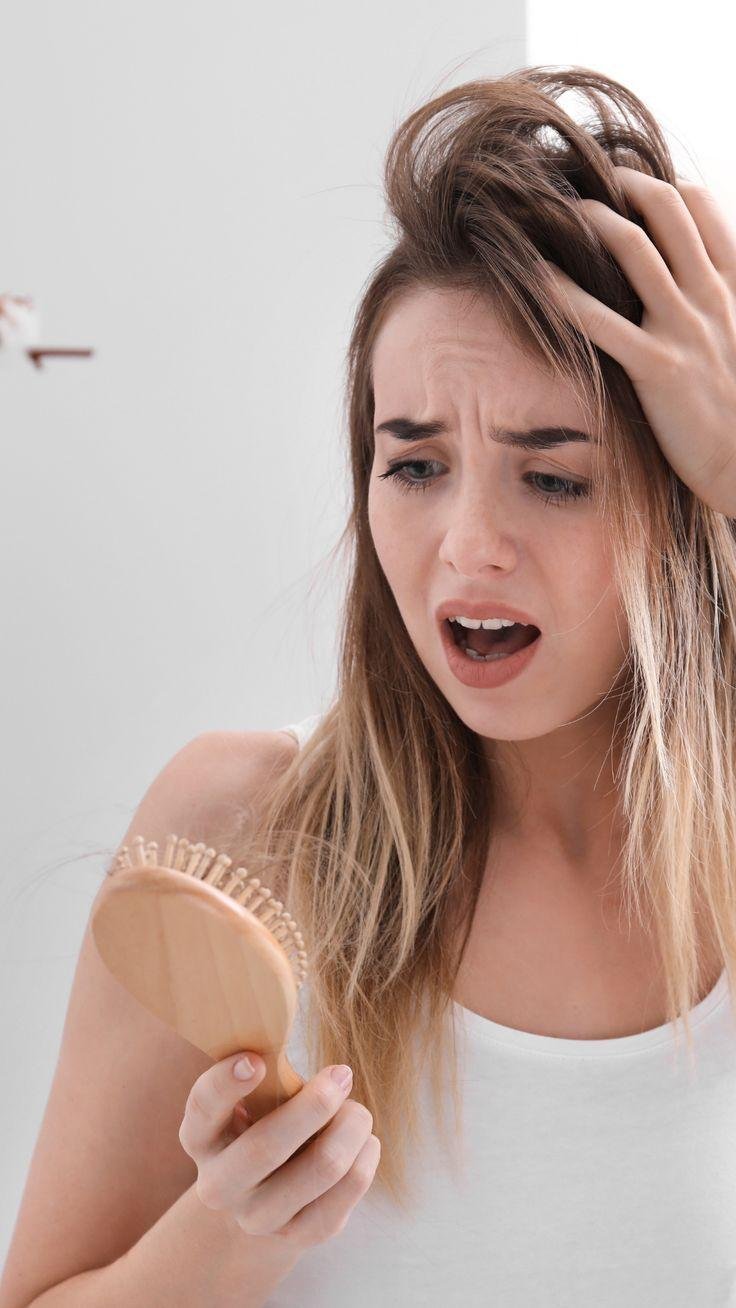
Stress affects both physical and mental well-being, and one of its lesser-known effects is hair loss. Many people notice increased hair shedding after experiencing a stressful event, such as illness, surgery, emotional trauma, or prolonged anxiety. While stress-related hair loss can be alarming, it is often temporary and improves once the underlying stress is managed.
Understanding how stress impacts the hair growth cycle is important for recognizing the signs early and seeking the right hair loss treatment when needed. Early care, combined with healthy lifestyle changes, can help restore hair growth and prevent further thinning.
How Does Stress Affect Hair Growth?
Hair grows in a continuous cycle that includes growth, transition, and resting phases. Under normal conditions, most hair remains in the active growth stage, while only a small percentage is shed daily.
When the body experiences significant stress, this natural cycle can become disrupted. A larger number of hair follicles enter the resting phase earlier than usual, causing excessive shedding several weeks or even months after the stressful event.
This delayed reaction often surprises people because they may not immediately connect stress with their hair loss.
Types of Stress-Related Hair Loss
Stress can contribute to different forms of hair loss, depending on how the body responds.
Telogen Effluvium
Telogen effluvium is the most common type of stress-induced hair loss. It occurs when emotional or physical stress pushes many hair follicles into the resting stage at the same time.
People with this condition often notice:
- Increased hair on pillows
- More hair in the shower drain
- Excessive shedding while brushing
- Overall thinning rather than bald patches
The condition is usually temporary, and hair often begins to regrow once the body recovers.
Alopecia Areata
Stress may also trigger or worsen alopecia areata in some individuals. This autoimmune condition causes the body's immune system to mistakenly attack healthy hair follicles, leading to round or oval patches of hair loss.
Although stress is not the only cause, it may contribute to flare-ups in susceptible individuals.
Trichotillomania
Some people cope with emotional stress by repeatedly pulling their own hair, a condition known as trichotillomania. This behavior can result in noticeable thinning or bald spots if left untreated.
Managing the underlying emotional triggers is essential for recovery.
Common Sources of Stress
Stress can come from many areas of life, and each person responds differently.
Common causes include:
- Work-related pressure
- Financial concerns
- Relationship difficulties
- Major life changes
- Serious illness
- Surgery
- Childbirth
- Lack of sleep
- Grief or emotional trauma
Long-term stress has a greater impact on overall health, including the health of your scalp and hair follicles.
Signs That Stress May Be Causing Hair Loss
Stress-related hair loss usually develops gradually rather than overnight.
Some common signs include:
- Increased daily hair shedding
- Hair becoming thinner across the scalp
- A wider hair part
- Hair appearing less voluminous
- Hair collecting in large amounts after washing
Unlike hereditary hair loss, stress-related shedding often affects the entire scalp instead of one specific area.
Is Stress Hair Loss Permanent?
In most cases, stress-related hair loss is temporary. Once the source of stress is reduced or eliminated, the hair growth cycle gradually returns to normal.
Many people begin noticing improvement within a few months, although complete recovery may take six to twelve months depending on individual factors.
If stress continues for an extended period or another underlying condition is present, recovery may take longer.
When Should You Seek Hair Loss Treatment?
Although temporary shedding often improves naturally, professional evaluation is recommended if:
- Hair loss continues for more than a few months
- Bald patches develop
- The scalp becomes irritated
- Hair thinning becomes more noticeable
- Shedding is severe or sudden
A specialist can determine whether stress is the primary cause or if another medical condition requires attention.
Hair Loss Treatment Options
The right hair loss treatment depends on the severity and cause of the condition. A personalized plan often provides the best results.
Treatment options may include:
Lifestyle Improvements
Managing stress through healthy habits is often the first step.
Helpful strategies include:
- Regular exercise
- Meditation
- Deep breathing exercises
- Adequate sleep
- Balanced nutrition
- Relaxation techniques
Reducing stress supports both overall health and healthy hair growth.
Nutritional Support
Hair requires essential nutrients to grow properly. If stress has affected appetite or nutrition, correcting deficiencies can improve hair quality and reduce shedding.
PRP Therapy
Platelet-Rich Plasma (PRP) therapy uses growth factors from the patient's own blood to stimulate hair follicles and encourage healthier growth.
Low-Level Laser Therapy
Laser therapy may improve blood circulation within the scalp, helping follicles receive more oxygen and nutrients.
Medications
In some cases, medications may be recommended to slow hair loss and support regrowth, depending on the diagnosis.
How Long Does Recovery Take?
Hair grows slowly, so noticeable improvement requires patience.
A general recovery timeline may look like this:
- 1–2 months: Hair shedding begins to decrease.
- 3–4 months: Fine new hairs may become visible.
- 5–6 months: Hair density often starts improving.
- 6–12 months: Many individuals experience fuller and healthier hair growth.
Recovery varies depending on age, overall health, stress levels, and adherence to the recommended treatment plan.
Tips to Protect Your Hair During Stress
Simple lifestyle habits can help reduce the impact of stress on your hair.
- Eat a protein-rich, balanced diet.
- Stay hydrated throughout the day.
- Get seven to eight hours of sleep each night.
- Avoid excessive heat styling.
- Use gentle hair care products.
- Exercise regularly to reduce stress.
- Practice mindfulness or relaxation techniques.
- Seek professional advice if hair loss persists.
These habits support both scalp health and long-term hair strength.
Conclusion
Stress is a common but often overlooked cause of hair loss. Emotional strain, physical illness, surgery, or major life events can interrupt the natural hair growth cycle, leading to noticeable shedding. Fortunately, stress-related hair loss is usually temporary, especially when the underlying cause is addressed. Seeking timely hair loss treatment, maintaining a healthy lifestyle, and managing stress effectively can help restore stronger, healthier hair and improve overall well-being.