
How Automation Is Changing Hospital Management
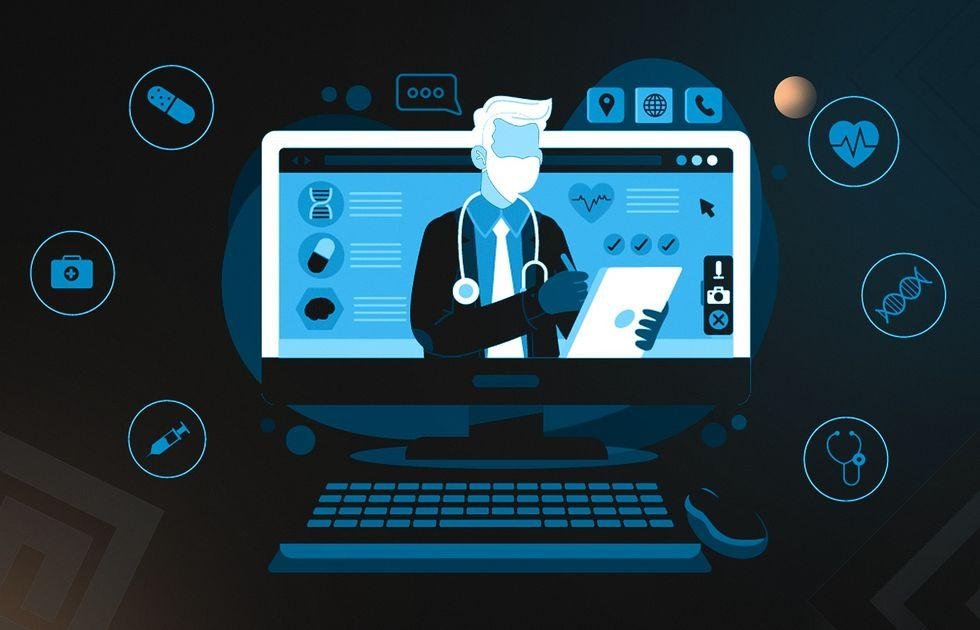
The healthcare industry is undergoing a major digital transformation, and automation is at the heart of this change. Hospitals today manage enormous amounts of patient information, administrative tasks, financial transactions, clinical workflows, and regulatory requirements. Relying on manual processes often results in delays, inefficiencies, human errors, and increased operational costs. As patient expectations continue to rise, healthcare providers need smarter solutions to deliver high-quality care while maintaining efficiency.
Automation is revolutionizing hospital management by replacing repetitive manual tasks with intelligent digital processes. From patient registration and appointment scheduling to billing, pharmacy management, laboratory integration, and electronic medical records, automated systems enable hospitals to operate more efficiently and accurately. By reducing administrative burdens, automation allows healthcare professionals to focus more on patient care and less on paperwork. This article explores how automation is transforming hospital management and why it has become an essential part of modern healthcare.
The Growing Need for Automation in Hospitals
Hospitals are complex organizations where multiple departments work together to provide continuous patient care. Every day, staff members coordinate appointments, admissions, laboratory testing, medication dispensing, billing, inventory management, and patient documentation. Managing these activities manually becomes increasingly difficult as patient volumes grow.
Automation helps streamline these interconnected processes by connecting departments through a centralized digital system. Instead of relying on paper records or isolated software, hospitals can access real-time information, reduce duplication, and improve collaboration across the organization. The result is faster service delivery, better operational control, and improved patient safety.
Simplifying Patient Registration and Admissions
Patient registration is often the first interaction individuals have with a hospital. Manual registration processes can lead to long waiting times, incomplete records, and repetitive paperwork.
Automation allows hospitals to collect patient information electronically during registration. Demographic details, insurance information, medical history, and previous visits are stored securely within a centralized database. During future visits, staff can retrieve patient records instantly, reducing waiting times and improving the overall patient experience.
Smarter Appointment Scheduling
Managing appointments manually increases the risk of scheduling conflicts, missed appointments, and inefficient use of healthcare resources. Administrative staff often spend significant time coordinating physician availability and patient bookings.
Automated appointment scheduling enables patients to book consultations online while allowing hospitals to manage physician calendars efficiently. Automated reminders sent through SMS or email help reduce no-show appointments and improve clinic productivity. Real-time scheduling also ensures better utilization of healthcare professionals and examination rooms.
Electronic Health Records Improve Clinical Efficiency
Paper-based medical records can be difficult to access, update, and share among healthcare providers. Missing or incomplete information may delay diagnosis and increase the likelihood of medical errors.
Automation through Electronic Health Records (EHRs) provides healthcare professionals with instant access to complete patient histories, laboratory reports, imaging results, prescriptions, allergies, and treatment plans. Having comprehensive patient information readily available supports faster clinical decisions and improves continuity of care across departments.
Enhancing Medication Management
Medication errors remain a significant concern in healthcare settings. Incorrect prescriptions, duplicate medications, dosage mistakes, or overlooked allergies can negatively affect patient outcomes.
Automated medication management systems help physicians prescribe medications safely by providing allergy alerts, drug interaction warnings, and standardized prescription templates. Pharmacy departments can process prescriptions more efficiently while maintaining accurate inventory records, ensuring patients receive the correct medications on time.
Laboratory and Diagnostic Automation
Laboratory testing plays a vital role in medical diagnosis, but manual sample tracking and reporting can create unnecessary delays and errors. Automation significantly improves laboratory efficiency by connecting diagnostic services directly with hospital management systems.
Electronic test requests, barcode-based sample tracking, automated result reporting, and real-time physician notifications reduce turnaround times while improving diagnostic accuracy. Patients receive quicker results, allowing physicians to begin appropriate treatment without unnecessary delays.
Streamlining Hospital Billing and Financial Management
Hospital billing involves multiple services, including consultations, procedures, laboratory tests, pharmacy purchases, room charges, and insurance claims. Manual billing processes often lead to inaccurate invoices and delayed payments.
Automation captures every billable service in real time and generates accurate invoices automatically. Integrated billing systems calculate charges, apply insurance coverage, manage discounts, and process payments efficiently. Faster billing improves cash flow while reducing administrative workload and billing disputes.
Improving Inventory and Supply Chain Management
Hospitals depend on thousands of medical supplies, pharmaceuticals, surgical instruments, and consumables every day. Manual inventory tracking can result in stock shortages, expired products, or unnecessary overstocking.
Automated inventory management continuously monitors stock levels and tracks product usage across departments. The system generates alerts when supplies reach minimum thresholds, helping hospitals replenish inventory before shortages occur. Better inventory control reduces waste, lowers costs, and ensures critical supplies remain available when needed.
Supporting Better Communication Between Departments
Effective communication is essential for delivering coordinated patient care. Delays in sharing patient information between departments may affect treatment decisions and operational efficiency.
Automation integrates departments such as emergency services, outpatient clinics, inpatient wards, laboratories, radiology, pharmacies, and billing into a unified platform. Real-time information sharing allows healthcare professionals to collaborate more effectively while reducing communication gaps that could contribute to medical errors.
Strengthening Data Security and Compliance
Hospitals handle highly sensitive patient and financial information that must be protected against unauthorized access and cyber threats. Paper records and fragmented systems often create security vulnerabilities.
Automated hospital management systems incorporate encryption, secure user authentication, role-based access controls, audit logs, and regular data backups. These security measures help hospitals protect confidential information while supporting compliance with healthcare regulations and internal governance standards.
Real-Time Reporting and Data Analytics
Hospital administrators require accurate information to evaluate performance, allocate resources, and improve operational efficiency. Manual reporting processes are often time-consuming and may not provide up-to-date insights.
Automation enables hospitals to generate real-time reports on patient admissions, bed occupancy, departmental performance, financial collections, inventory usage, laboratory turnaround times, and clinical outcomes. Data-driven insights help hospital leadership make informed strategic decisions while identifying opportunities for continuous improvement.
Enhancing Patient Satisfaction
Automation improves nearly every aspect of the patient journey. Faster registration, shorter waiting times, efficient appointment scheduling, transparent billing, quicker laboratory reporting, and better communication all contribute to a more positive healthcare experience.
Patients also appreciate digital conveniences such as online appointment booking, electronic prescriptions, secure access to medical records, automated reminders, and simplified payment options. These services increase patient engagement while strengthening confidence in the quality of care provided.
The Future of Automated Hospital Management
Automation will continue to evolve alongside emerging technologies such as artificial intelligence, predictive analytics, machine learning, robotics, and the Internet of Medical Things (IoMT). Future hospital management systems will become increasingly capable of predicting patient needs, optimizing resource allocation, supporting early disease detection, and improving clinical decision-making.
Healthcare organizations that embrace automation today will be better prepared to meet growing patient demands while maintaining operational excellence. Digital transformation is no longer simply a competitive advantage—it has become a necessity for delivering safe, efficient, and sustainable healthcare services.
Healthcare providers looking to modernize their operations can rely on Instacare.com.pk, which offers advanced digital healthcare solutions designed to automate hospital workflows, improve patient management, optimize financial operations, and enhance overall healthcare delivery. By integrating multiple hospital functions into one intelligent platform, healthcare organizations can achieve higher efficiency while improving patient outcomes.
Conclusion
Automation is fundamentally changing hospital management by simplifying administrative tasks, improving clinical workflows, strengthening communication, enhancing billing accuracy, optimizing inventory management, and supporting data-driven decision-making. These improvements reduce operational costs, minimize human error, and enable healthcare professionals to dedicate more time to patient care. By implementing a modern Hospital Management Software solution from Instacare.com.pk, hospitals can embrace digital transformation, improve operational efficiency, deliver safer healthcare services, and create a better experience for both patients and healthcare staff.
- Business
- Technology
- Finance
- Health
- Fashion
- Lifestyle
- Travel
- Food
- Education
- Real Estate
- Automobile
- Entertainment
- Sports
- Pets
- Home Decor
- Gardening
- Parenting
- Wedding
- Beauty
- Gaming
- Photography
- Music
- Movies
- News
- Politics
- Religion
- Astrology
- Law
- Insurance
- Jobs
- Freelancing
- Remote Work
- Blogging
- E-commerce
- WordPress
- OpenCart
- Social Media
- Graphic Design
- Web Design
- Programming
- Mobile Apps
- Artificial Intelligence
- SaaS
- Cyber Security
- Cloud Computing
- Hosting
- SEO
- Content Writing
- Email Marketing
- Affiliate Marketing
- YouTube
- Podcasting
- Interior Design
- DIY
- Crafts
- Art
- Architecture
- Environment
- Agriculture
- Animals
- Fishing
- Hunting
- Survival
- Outdoor
- Fitness
- Yoga
- Meditation
- Mental Health
- Skin Care
- Hair Care
- Makeup
- Jewelry
- Sarees
- Salwar Kameez
- Lehenga Choli
- Kurtis
- Men Fashion
- Women Fashion
- Kids Fashion
- Footwear
- Bags
- Watches
- Luxury
- Shopping
- Coupons
- Electronics
- Smartphones
- Laptops
- Tablets
- Cameras
- Home Appliances
- Kitchen
- Furniture
- Cleaning
- Baby Care
- Senior Care
- Relationships
- Self Improvement
- Motivation
- Quotes
- Festivals
- Events
- Careers
- Remote Work
- Productivity
- Wholesale
- Manufacturing
- Import Export
- Logistics
- Supply Chain
- Human Resources
- Customer Service
