
10 Common Mental Health Disorders Treated by Psychologists
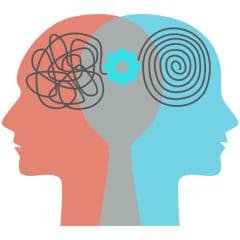
Mental health is an essential part of overall well-being, influencing how people think, feel, and behave in their daily lives. Just as physical illnesses require medical attention, mental health disorders often need professional care to improve emotional resilience and quality of life. Unfortunately, stigma and misinformation still prevent many individuals from seeking timely treatment, allowing symptoms to worsen over time.
Psychologists play a vital role in helping people understand, manage, and recover from a wide range of mental health conditions. Through evidence-based therapies, emotional support, and behavioral interventions, psychologists empower patients to develop healthier coping mechanisms and achieve long-term emotional wellness. Instacare.pk makes it easier for individuals across Pakistan to connect with qualified psychologists, compare specialist profiles, read verified patient reviews, and book appointments online for personalized mental healthcare.
What Does a Psychologist Do?
A psychologist is a trained mental health professional who specializes in assessing emotions, behaviors, thoughts, and psychological functioning. Unlike psychiatrists, psychologists primarily use psychotherapy, counseling, and behavioral techniques rather than medication to treat mental health conditions.
Their treatment plans are tailored to each patient's unique experiences, helping individuals identify emotional triggers, change unhealthy thinking patterns, improve relationships, and develop practical coping strategies.
Why Early Treatment Matters
Mental health disorders often develop gradually. What begins as occasional stress or sadness can eventually interfere with work, education, relationships, and physical health if left untreated.
Early diagnosis and therapy improve recovery outcomes, reduce symptom severity, and help prevent complications. Seeking professional support is an important step toward maintaining both emotional and physical well-being.
1. Anxiety Disorders
Anxiety disorders are among the most common conditions treated by psychologists. While occasional worry is normal, persistent anxiety can significantly disrupt daily life.
Common anxiety disorders include:
-
Generalized Anxiety Disorder (GAD)
-
Panic Disorder
-
Social Anxiety Disorder
-
Specific Phobias
Psychologists often use Cognitive Behavioral Therapy (CBT), exposure therapy, relaxation techniques, and mindfulness practices to help patients manage anxious thoughts and reduce avoidance behaviors.
2. Depression
Depression is more than simply feeling sad. It is a serious mood disorder that affects emotions, motivation, sleep, appetite, concentration, and overall functioning.
Symptoms may include:
-
Persistent sadness
-
Loss of interest in activities
-
Fatigue
-
Feelings of hopelessness
-
Difficulty concentrating
-
Changes in sleep patterns
Psychologists help individuals identify negative thought patterns, process emotional experiences, and develop healthier coping strategies through evidence-based therapies such as CBT and interpersonal therapy.
3. Obsessive-Compulsive Disorder (OCD)
Obsessive-Compulsive Disorder involves recurring unwanted thoughts (obsessions) and repetitive behaviors (compulsions) performed to reduce anxiety.
Examples include:
-
Excessive hand washing
-
Repeated checking
-
Fear of contamination
-
Intrusive unwanted thoughts
Psychologists commonly use Exposure and Response Prevention (ERP), a specialized form of CBT that helps patients gradually reduce compulsive behaviors and manage obsessive thoughts.
4. Post-Traumatic Stress Disorder (PTSD)
PTSD may develop after experiencing or witnessing traumatic events such as accidents, violence, abuse, natural disasters, or military combat.
Common symptoms include:
-
Flashbacks
-
Nightmares
-
Emotional numbness
-
Hypervigilance
-
Avoidance of trauma-related situations
Psychologists provide trauma-focused therapies that help individuals safely process traumatic memories, reduce emotional distress, and regain a sense of safety and control.
5. Eating Disorders
Eating disorders affect both physical and emotional health and require comprehensive treatment.
Common conditions include:
-
Anorexia Nervosa
-
Bulimia Nervosa
-
Binge Eating Disorder
Psychologists address distorted body image, unhealthy eating behaviors, emotional triggers, and self-esteem issues while promoting healthier relationships with food and body image.
6. Bipolar Disorder
Bipolar disorder is characterized by episodes of depression and periods of elevated mood known as mania or hypomania.
Although psychiatrists usually manage medication, psychologists play an essential role by helping patients:
-
Recognize mood changes
-
Improve emotional regulation
-
Develop coping strategies
-
Strengthen relationships
-
Maintain healthy daily routines
Therapy complements medication and improves long-term disease management.
7. Personality Disorders
Personality disorders involve long-standing patterns of thinking, behaving, and relating to others that significantly affect daily life.
Examples include:
-
Borderline Personality Disorder
-
Avoidant Personality Disorder
-
Narcissistic Personality Disorder
-
Obsessive-Compulsive Personality Disorder
Psychologists use structured therapies such as Dialectical Behavior Therapy (DBT) and Cognitive Behavioral Therapy to improve emotional regulation, interpersonal relationships, and self-awareness.
8. Stress-Related Disorders
Chronic stress can contribute to emotional exhaustion, burnout, anxiety, and physical health problems.
Psychologists help individuals identify stressors and develop healthier coping mechanisms through:
-
Stress management techniques
-
Mindfulness training
-
Relaxation exercises
-
Time management skills
-
Problem-solving strategies
Learning effective stress management improves both mental and physical health.
9. Sleep Disorders Linked to Mental Health
Many mental health conditions contribute to sleep disturbances such as insomnia or poor sleep quality.
Psychologists assess how emotional factors affect sleep and provide behavioral interventions that improve healthy sleep habits, including Cognitive Behavioral Therapy for Insomnia (CBT-I).
Better sleep often leads to improvements in mood, concentration, and overall emotional functioning.
10. Adjustment Disorders
Major life changes can trigger emotional distress that becomes difficult to manage independently.
Common triggers include:
-
Divorce
-
Job loss
-
Relocation
-
Academic pressure
-
Serious illness
-
Financial difficulties
-
Loss of a loved one
Psychologists help individuals process these changes, build resilience, and adapt to new circumstances using supportive counseling and evidence-based therapeutic techniques.
Common Therapy Techniques Used by Psychologists
Psychologists use various treatment approaches depending on each individual's condition and personal needs.
Some commonly used therapies include:
Cognitive Behavioral Therapy (CBT)
CBT helps patients identify negative thought patterns and replace them with healthier, more balanced ways of thinking.
Acceptance and Commitment Therapy (ACT)
ACT teaches individuals to accept difficult emotions while focusing on meaningful actions aligned with their values.
Dialectical Behavior Therapy (DBT)
DBT combines emotional regulation, mindfulness, interpersonal effectiveness, and distress tolerance techniques. It is particularly effective for individuals with intense emotional responses.
Mindfulness-Based Therapy
Mindfulness encourages present-moment awareness, helping individuals reduce stress, anxiety, and emotional reactivity.
Supportive Counseling
Supportive therapy provides a safe environment where patients can openly discuss challenges, gain emotional support, and develop practical solutions.
When Should You See a Psychologist?
Many people delay seeking help because they believe their symptoms are not serious enough. However, early intervention often leads to better outcomes.
You should consider consulting a psychologist if you experience:
-
Persistent sadness or anxiety
-
Excessive stress
-
Frequent panic attacks
-
Emotional outbursts
-
Difficulty sleeping
-
Relationship problems
-
Trauma-related symptoms
-
Low self-esteem
-
Difficulty coping with life changes
-
Loss of interest in daily activities
Professional support can significantly improve emotional well-being before symptoms become more severe.
Benefits of Psychological Treatment
Psychological therapy provides benefits that extend beyond symptom relief.
Some long-term advantages include:
-
Improved emotional resilience
-
Better stress management
-
Healthier relationships
-
Increased self-confidence
-
Enhanced communication skills
-
Greater emotional awareness
-
Improved work and academic performance
-
Better overall quality of life
Therapy equips individuals with lifelong skills that support mental wellness even after treatment ends.
Finding the Right Psychologist
Choosing an experienced psychologist is an important step toward successful treatment. Patients should consider qualifications, experience, communication style, treatment approach, and patient feedback before making a decision.
Instacare.pk simplifies this process by connecting individuals with trusted psychologists across Pakistan. If you are looking for professional psychological support, Ms. Hafiza Rizwana, an experienced psychologist in Lahore, is available through Instacare.pk to help individuals manage anxiety, stress, depression, and other mental health concerns using evidence-based therapeutic approaches.
Conclusion
Mental health disorders are common, treatable, and should never be ignored. Conditions such as anxiety, depression, PTSD, OCD, eating disorders, bipolar disorder, personality disorders, stress-related disorders, sleep disorders, and adjustment disorders can all be effectively managed with professional psychological support. Through evidence-based therapies and personalized treatment plans, psychologists help individuals develop healthier coping strategies, improve emotional resilience, and enhance their overall quality of life. If you or someone you know is experiencing mental health challenges, Instacare.pk provides a trusted platform to connect with experienced psychologists across Pakistan and take the first step toward better mental well-being.
- Business
- Technology
- Finance
- Health
- Fashion
- Lifestyle
- Travel
- Food
- Education
- Real Estate
- Automobile
- Entertainment
- Sports
- Pets
- Home Decor
- Gardening
- Parenting
- Wedding
- Beauty
- Gaming
- Photography
- Music
- Movies
- News
- Politics
- Religion
- Astrology
- Law
- Insurance
- Jobs
- Freelancing
- Remote Work
- Blogging
- E-commerce
- WordPress
- OpenCart
- Social Media
- Graphic Design
- Web Design
- Programming
- Mobile Apps
- Artificial Intelligence
- SaaS
- Cyber Security
- Cloud Computing
- Hosting
- SEO
- Content Writing
- Email Marketing
- Affiliate Marketing
- YouTube
- Podcasting
- Interior Design
- DIY
- Crafts
- Art
- Architecture
- Environment
- Agriculture
- Animals
- Fishing
- Hunting
- Survival
- Outdoor
- Fitness
- Yoga
- Meditation
- Mental Health
- Skin Care
- Hair Care
- Makeup
- Jewelry
- Sarees
- Salwar Kameez
- Lehenga Choli
- Kurtis
- Men Fashion
- Women Fashion
- Kids Fashion
- Footwear
- Bags
- Watches
- Luxury
- Shopping
- Coupons
- Electronics
- Smartphones
- Laptops
- Tablets
- Cameras
- Home Appliances
- Kitchen
- Furniture
- Cleaning
- Baby Care
- Senior Care
- Relationships
- Self Improvement
- Motivation
- Quotes
- Festivals
- Events
- Careers
- Remote Work
- Productivity
- Wholesale
- Manufacturing
- Import Export
- Logistics
- Supply Chain
- Human Resources
- Customer Service
