
Signs You May Need Fibroid Removal Surgery Instead of Medication
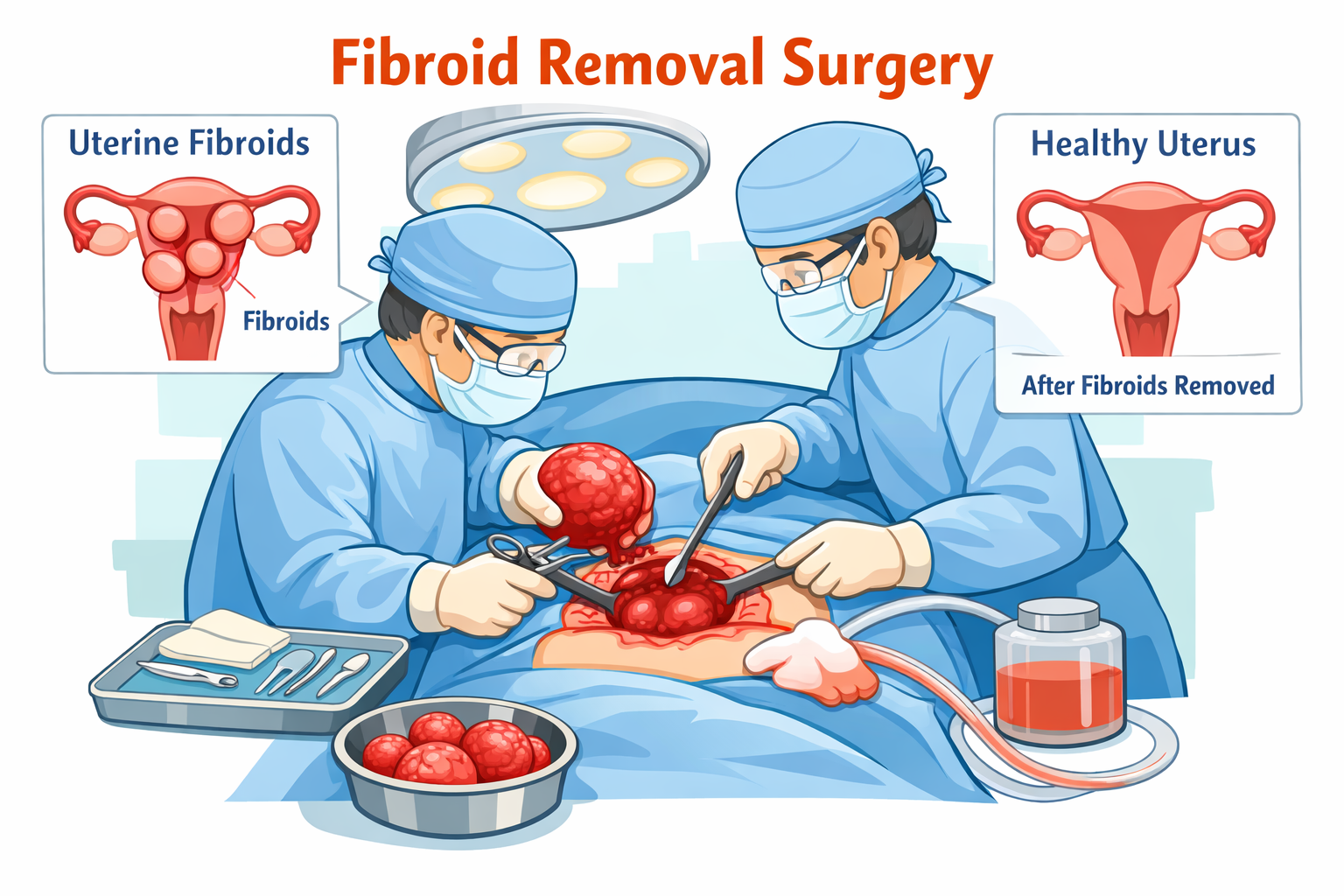
Uterine fibroids are one of the most common non-cancerous growths affecting women during their reproductive years. While many fibroids cause few or no symptoms, others can significantly impact daily life and overall health. In many cases, medication can help manage symptoms, but it may not always provide a long-term solution. Understanding the signs that indicate you may need fibroid removal surgery instead of medication can help you make informed decisions about your health.
Understanding Uterine Fibroids
Fibroids are benign tumors that develop in or around the uterus. They vary in size, number, and location. Some women never experience symptoms, while others deal with heavy bleeding, pelvic pain, or fertility issues. Treatment depends on factors such as symptom severity, age, and future pregnancy plans.
When Medication May Not Be Enough
Medications are often the first line of treatment because they can help reduce symptoms like heavy menstrual bleeding and pelvic discomfort. However, medication does not permanently remove fibroids. In some cases, symptoms return once treatment stops, making surgery a more effective long-term option.
Signs You May Need Fibroid Removal Surgery
Heavy and Persistent Menstrual Bleeding
If your periods are consistently heavy, last longer than a week, or require frequent pad or tampon changes, medication may no longer be enough. Chronic heavy bleeding can lead to anemia, fatigue, and a reduced quality of life. Fibroid removal surgery can address the root cause rather than simply managing the symptoms.
Severe Pelvic Pain or Pressure
Large or multiple fibroids can create constant pressure in the pelvic area. If you experience ongoing pain, discomfort during daily activities, or pressure that affects your bladder or bowel function, surgical removal may provide lasting relief.
Rapid Fibroid Growth
Fibroids can grow over time. If imaging tests show rapid enlargement or your abdomen becomes noticeably swollen, your doctor may recommend surgery to prevent further complications and relieve symptoms.
Difficulty Getting Pregnant
Fibroids can interfere with fertility by changing the shape of the uterus or blocking the fallopian tubes. Women planning to conceive may benefit from fibroid removal surgery, especially if fibroids are identified as a contributing factor to infertility or recurrent pregnancy loss.
Frequent Urination or Constipation
Large fibroids can press against nearby organs, leading to frequent urination, difficulty emptying the bladder, or persistent constipation. These symptoms often improve after the fibroids are surgically removed.
Medication Is No Longer Effective
If you've tried hormone therapy or other medications without significant improvement, or if symptoms return after stopping treatment, surgery may offer a more permanent solution.
Types of Fibroid Removal Surgery
Several surgical options are available depending on the size, location, and number of fibroids.
- Myomectomy: Removes fibroids while preserving the uterus, making it an ideal option for women who wish to have children in the future.
- Laparoscopic Myomectomy: A minimally invasive procedure with smaller incisions, less pain, and a faster recovery.
- Hysteroscopic Myomectomy: Used for fibroids located inside the uterine cavity without external incisions.
- Open Myomectomy: Recommended for very large or numerous fibroids that cannot be removed through minimally invasive techniques.
Your gynecologist will recommend the most suitable approach based on your individual condition.
Benefits of Fibroid Removal Surgery
Choosing surgery when appropriate offers several long-term advantages, including:
- Significant reduction in heavy bleeding
- Relief from pelvic pain and pressure
- Improved fertility in suitable candidates
- Better bladder and bowel function
- Lower risk of recurring symptoms compared to medication alone
- Improved quality of life
Recovery After Surgery
Recovery depends on the type of procedure performed. Minimally invasive surgeries often allow patients to return to normal activities within two to four weeks, while open surgery may require six to eight weeks of recovery. Following your surgeon's instructions and attending follow-up appointments are essential for a smooth recovery.
Conclusion
While medication can successfully manage mild fibroid symptoms, it is not always the best long-term solution. Persistent heavy bleeding, severe pelvic pain, fertility challenges, rapid fibroid growth, and pressure on surrounding organs are important signs that fibroid removal surgery may be the most effective treatment. Consulting an experienced gynecologist will help determine the best approach based on your symptoms, medical history, and future family plans. Early evaluation and timely treatment can improve both your health and your quality of life.
- Business
- Technology
- Finance
- Health
- Fashion
- Lifestyle
- Travel
- Food
- Education
- Real Estate
- Automobile
- Entertainment
- Sports
- Pets
- Home Decor
- Gardening
- Parenting
- Wedding
- Beauty
- Gaming
- Photography
- Music
- Movies
- News
- Politics
- Religion
- Astrology
- Law
- Insurance
- Jobs
- Freelancing
- Remote Work
- Blogging
- E-commerce
- WordPress
- OpenCart
- Social Media
- Graphic Design
- Web Design
- Programming
- Mobile Apps
- Artificial Intelligence
- SaaS
- Cyber Security
- Cloud Computing
- Hosting
- SEO
- Content Writing
- Email Marketing
- Affiliate Marketing
- YouTube
- Podcasting
- Interior Design
- DIY
- Crafts
- Art
- Architecture
- Environment
- Agriculture
- Animals
- Fishing
- Hunting
- Survival
- Outdoor
- Fitness
- Yoga
- Meditation
- Mental Health
- Skin Care
- Hair Care
- Makeup
- Jewelry
- Sarees
- Salwar Kameez
- Lehenga Choli
- Kurtis
- Men Fashion
- Women Fashion
- Kids Fashion
- Footwear
- Bags
- Watches
- Luxury
- Shopping
- Coupons
- Electronics
- Smartphones
- Laptops
- Tablets
- Cameras
- Home Appliances
- Kitchen
- Furniture
- Cleaning
- Baby Care
- Senior Care
- Relationships
- Self Improvement
- Motivation
- Quotes
- Festivals
- Events
- Careers
- Remote Work
- Productivity
- Wholesale
- Manufacturing
- Import Export
- Logistics
- Supply Chain
- Human Resources
- Customer Service
