
How Digital Solutions Are Transforming Food Safety Certification
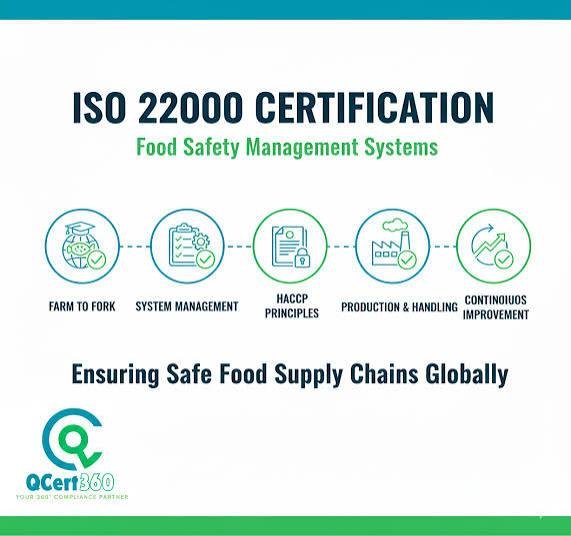
Food safety is a critical responsibility for organizations involved in producing, processing, transporting, packaging, storing, and distributing food products. Consumers expect safe products, regulatory authorities demand compliance, and businesses rely on consistent quality to maintain customer confidence. Meeting these expectations requires well-documented processes, effective risk management, and continuous monitoring across every stage of the supply chain.
As compliance requirements become increasingly detailed, organizations are moving away from paper-based systems and disconnected spreadsheets in favor of cloud-based SaaS solutions. Digital platforms simplify documentation, audits, inspections, corrective actions, and reporting, allowing businesses to manage complex certification activities more efficiently while supporting continual improvement.
Why Is Food Safety Certification Important?
Organizations operating within the food industry must demonstrate that they consistently produce products that are safe for consumers.
Certification provides independent verification that established procedures are being followed and that food safety risks are managed systematically. Beyond meeting regulatory expectations, certification helps strengthen customer confidence, improve supplier relationships, and support market access in highly competitive industries.
A structured certification program also encourages organizations to evaluate and improve their internal processes on an ongoing basis.
What Makes a Food Safety Management System Effective?
An effective management system is built around documented procedures, clearly defined responsibilities, continuous monitoring, and regular evaluation.
It provides a structured framework for identifying hazards, implementing preventive controls, maintaining operational consistency, and responding to nonconformities. Employees understand their responsibilities, managers gain better visibility into compliance activities, and leadership can make decisions using reliable operational data.
When every department follows standardized procedures, organizations are better positioned to maintain consistent product quality.
What Challenges Do Organizations Face During Certification?
Managing certification activities manually often becomes difficult as operations expand.
Food manufacturers and processors frequently coordinate inspections, document reviews, employee training records, supplier information, internal audits, corrective actions, and regulatory reporting. When these activities are managed through multiple spreadsheets, emails, or paper files, maintaining consistency becomes increasingly challenging.
Administrative workloads also increase significantly as organizations operate across multiple facilities or supply chains.
How Can Technology Improve Certification Management?
Organizations increasingly rely on digital solutions to manage food safety management system certification through centralized workflows.
Instead of storing information across different departments, cloud-based platforms organize documents, inspection records, audit schedules, approvals, corrective actions, and compliance reports within a single secure environment. This centralized approach improves collaboration while reducing administrative complexity.
Digital workflows also improve visibility by allowing managers to monitor certification activities in real time.
Why Is Document Control So Important?
Documentation forms the foundation of every successful certification program.
Policies, procedures, inspection reports, monitoring records, audit findings, corrective actions, and approvals all provide evidence that food safety requirements are being managed consistently. A centralized document repository helps ensure employees always work with current information while maintaining complete version history and audit trails.
Organized documentation also simplifies external assessments and regulatory inspections.
How Do Internal Audits Strengthen Compliance?
Internal audits help organizations verify that established procedures are being implemented effectively.
Regular reviews identify gaps before external assessments occur, allowing organizations to address issues proactively rather than reactively. Audit findings also provide valuable opportunities to strengthen operational controls and improve overall performance.
Well-planned internal audits encourage accountability throughout every level of the organization.
How Can Workflow Automation Reduce Administrative Work?
Many certification-related activities involve repetitive tasks that consume valuable staff time.
Scheduling inspections, assigning responsibilities, requesting approvals, monitoring deadlines, sending reminders, and tracking corrective actions can all be automated through configurable workflows. Automation minimizes manual data entry while improving consistency across every stage of the certification process.
This allows quality professionals to focus more on improving food safety performance than managing administrative tasks.
Why Is Corrective Action Management Essential?
Every finding identified during an inspection or audit should result in timely action.
Digital platforms enable organizations to assign responsibilities, establish due dates, monitor progress, and verify implementation from one centralized system. This structured approach improves accountability while ensuring that issues are addressed before they develop into larger operational concerns.
Historical records also support trend analysis and future improvement initiatives.
How Can Reporting Improve Decision-Making?
Certification programs generate valuable operational information every day.
Dashboards and reporting tools provide management with visibility into inspection performance, audit completion, corrective action status, document approvals, training records, and compliance trends. Access to accurate data enables leaders to prioritize improvements and allocate resources more effectively.
Reliable reporting also supports strategic planning and demonstrates organizational performance during external assessments.
What Features Should Organizations Look For?
Selecting the right digital solution requires evaluating both current and future operational needs.
An effective food safety certification software solution should include document management, audit scheduling, inspection management, workflow automation, corrective action tracking, reporting dashboards, user permissions, notification systems, and secure cloud access. Scalability is equally important because business requirements and regulatory expectations continue to evolve.
Flexible software allows organizations to adapt without major operational disruption.
Why Is Cloud Technology Becoming the Preferred Choice?
Cloud-based SaaS platforms provide flexibility that traditional software often cannot match.
Authorized users can securely access information from multiple facilities, making collaboration easier for quality managers, auditors, production teams, and executives. Automatic updates, centralized data storage, and simplified maintenance further improve operational efficiency while reducing technology overhead.
Cloud infrastructure also supports organizations with geographically distributed operations.
How Does Integration Improve Operational Efficiency?
Food safety activities often interact with purchasing, supplier management, production, inventory, laboratory systems, and quality management applications.
Connecting these systems reduces duplicate data entry while improving information accuracy across departments. Integrated workflows eliminate operational silos and provide management with a more comprehensive view of business performance.
Better connectivity supports faster decision-making and stronger compliance management.
Why Is Continuous Improvement a Core Principle?
Successful organizations understand that certification is not a one-time achievement.
Monitoring performance, reviewing audit findings, evaluating corrective actions, and measuring operational effectiveness allow businesses to improve continuously. This ongoing commitment strengthens food safety culture, reduces operational risks, and helps organizations respond confidently to evolving customer and regulatory expectations.
Continuous improvement creates long-term resilience and supports sustainable growth.
How Is SaaS Technology Shaping the Future of Food Safety Compliance?
Digital transformation continues to redefine how organizations manage compliance, inspections, and certification activities.
Cloud-based solutions provide automation, centralized documentation, configurable workflows, analytics, and real-time visibility that significantly improve operational efficiency. Platforms such as Zertic help organizations modernize compliance through a scalable food safety management platform that supports documentation control, audit management, corrective actions, reporting, and collaboration within a unified SaaS environment.
Organizations that embrace modern technology are better equipped to strengthen food safety programs, simplify certification activities, improve operational performance, and build lasting confidence among customers, regulators, and business partners in an increasingly demanding global marketplace.
- Business
- Technology
- Finance
- Health
- Fashion
- Lifestyle
- Travel
- Food
- Education
- Real Estate
- Automobile
- Entertainment
- Sports
- Pets
- Home Decor
- Gardening
- Parenting
- Wedding
- Beauty
- Gaming
- Photography
- Music
- Movies
- News
- Politics
- Religion
- Astrology
- Law
- Insurance
- Jobs
- Freelancing
- Remote Work
- Blogging
- E-commerce
- WordPress
- OpenCart
- Social Media
- Graphic Design
- Web Design
- Programming
- Mobile Apps
- Artificial Intelligence
- SaaS
- Cyber Security
- Cloud Computing
- Hosting
- SEO
- Content Writing
- Email Marketing
- Affiliate Marketing
- YouTube
- Podcasting
- Interior Design
- DIY
- Crafts
- Art
- Architecture
- Environment
- Agriculture
- Animals
- Fishing
- Hunting
- Survival
- Outdoor
- Fitness
- Yoga
- Meditation
- Mental Health
- Skin Care
- Hair Care
- Makeup
- Jewelry
- Sarees
- Salwar Kameez
- Lehenga Choli
- Kurtis
- Men Fashion
- Women Fashion
- Kids Fashion
- Footwear
- Bags
- Watches
- Luxury
- Shopping
- Coupons
- Electronics
- Smartphones
- Laptops
- Tablets
- Cameras
- Home Appliances
- Kitchen
- Furniture
- Cleaning
- Baby Care
- Senior Care
- Relationships
- Self Improvement
- Motivation
- Quotes
- Festivals
- Events
- Careers
- Remote Work
- Productivity
- Wholesale
- Manufacturing
- Import Export
- Logistics
- Supply Chain
- Human Resources
- Customer Service
