
Common Bee Species Found in Melbourne and How to Identify Them
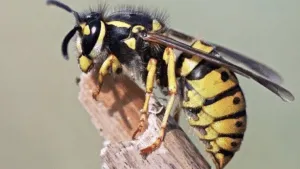
Melbourne is home to a wide variety of bee species, many of which play an important role in pollinating native plants, gardens, and agricultural crops. While most bees are beneficial and non-aggressive, some species may establish nests close to homes or businesses, creating potential safety concerns. Understanding how to identify common bees can help property owners make informed decisions and avoid unnecessary harm to these valuable pollinators.
A professional bees inspection Melbourne service is the safest way to identify bee species, locate hidden nests, and determine whether removal or relocation is necessary. Correct identification is essential because different bee species require different management approaches.
Why Bee Identification Is Important
Many people assume that every bee found around their property is a threat. In reality, most native Australian bees are solitary and rarely sting unless directly handled or threatened.
Correct identification helps you:
- Protect beneficial pollinators.
- Avoid disturbing harmless native bees.
- Recognise when a colony requires professional attention.
- Choose the most appropriate removal or relocation method.
- Reduce the risk of recurring infestations.
European Honey Bees
European honey bees are among the most common bees found around Melbourne. They live in organised colonies and often build hives inside roof cavities, wall voids, tree hollows, and sheds.
How to Identify Them
- Golden-brown body with black stripes.
- Medium-sized appearance.
- Live in large colonies.
- Frequently seen collecting nectar from flowers.
If a honey bee colony develops inside a building, professional assessment is recommended to avoid structural damage and safety risks.
Resin Bees
Resin bees are solitary native bees that use natural plant resin to build and seal their nests. Unlike honey bees, they do not form large colonies and are generally considered gentle pollinators.
Identification Features
- Medium-sized body.
- Dark colouring with subtle markings.
- Often nest in small cavities within timber or hollow stems.
- Carry sticky plant resin while building nests.
When resin bees establish nests in unsuitable locations, professional resin bees removal Melbourne services can safely assess the situation and recommend environmentally responsible management.
Blue Banded Bees
Blue banded bees are one of Australia's most recognisable native bee species due to their striking blue bands across a black body.
Identification Features
- Bright metallic blue bands.
- Fast, hovering flight pattern.
- Solitary nesting behaviour.
- Commonly found visiting flowering plants.
These native bees are excellent pollinators and usually do not require intervention unless they create safety concerns.
Teddy Bear Bees
Teddy bear bees are covered in soft golden-brown hairs, giving them their distinctive appearance. They are solitary bees that commonly nest in dead timber or plant stems.
They rarely become aggressive and provide valuable pollination for native vegetation.
Masked Bees
Masked bees are small, smooth-bodied native bees with pale facial markings that resemble tiny masks.
Characteristics include:
- Black body.
- White or yellow facial markings.
- Solitary nesting.
- Gentle behaviour.
Because they are beneficial pollinators, masked bees should only be managed when absolutely necessary.
Signs You May Have a Bee Nest
Even if you cannot immediately identify the bee species, certain signs indicate that a colony or nesting site may be nearby.
Look for:
- Continuous bee activity.
- Bees entering the same crack or hole.
- Buzzing sounds inside walls or ceilings.
- Bees gathering around roof spaces.
- Swarms settling on trees or fences.
If these signs are present, arranging a bees inspection is the safest next step.
Why Professional Identification Matters
Many bee species appear similar to the untrained eye. Attempting to identify them yourself can lead to unnecessary removal of harmless native bees or unsafe handling of larger colonies.
Professional technicians can:
- Correctly identify bee species.
- Locate hidden nests.
- Assess potential risks.
- Recommend humane relocation where appropriate.
- Provide prevention advice.
This ensures both public safety and environmental responsibility.
Local Bee Management Across Melbourne
Different suburbs may experience varying levels of bee activity depending on surrounding vegetation, parks, and residential developments.
Residents seeking bees removal Moonee Ponds often require assistance with bees nesting inside roof spaces, gardens, and older homes. Likewise, property owners needing bee removal Campbellfield may encounter bee colonies around warehouses, commercial buildings, and residential properties. Local experience helps technicians choose the safest and most effective management strategy.
Practical Tips for Homeowners
You can reduce the chances of bee nesting around your property by:
- Sealing gaps around roofs and walls.
- Removing unused timber.
- Keeping gardens tidy.
- Repairing damaged vents.
- Inspecting outdoor structures regularly.
- Scheduling routine bees inspection services if you've experienced previous infestations.
Preventative maintenance is often the easiest way to minimise future bee problems.
Key Takeaways
- Melbourne is home to many beneficial native bee species.
- Not all bees require removal.
- Correct species identification is essential before taking action.
- Early bees inspection services help detect hidden nests.
- Native species such as resin bees should be managed responsibly.
- Professional assistance provides safer, long-term solutions.
Conclusion
Understanding the common bee species found around Melbourne properties allows homeowners to respond appropriately when bee activity increases. While many native bees are harmless and beneficial, established colonies near homes or businesses should always be professionally assessed.
Whether you require resin bees removal Melbourne, reliable bees removal Moonee Ponds, or trusted bee removal Campbellfield, experienced technicians can identify the species involved, recommend the safest solution, and help protect both your property and Australia's important pollinators.
- Business
- Technology
- Finance
- Health
- Fashion
- Lifestyle
- Travel
- Food
- Education
- Real Estate
- Automobile
- Entertainment
- Sports
- Pets
- Home Decor
- Gardening
- Parenting
- Wedding
- Beauty
- Gaming
- Photography
- Music
- Movies
- News
- Politics
- Religion
- Astrology
- Law
- Insurance
- Jobs
- Freelancing
- Remote Work
- Blogging
- E-commerce
- WordPress
- OpenCart
- Social Media
- Graphic Design
- Web Design
- Programming
- Mobile Apps
- Artificial Intelligence
- SaaS
- Cyber Security
- Cloud Computing
- Hosting
- SEO
- Content Writing
- Email Marketing
- Affiliate Marketing
- YouTube
- Podcasting
- Interior Design
- DIY
- Crafts
- Art
- Architecture
- Environment
- Agriculture
- Animals
- Fishing
- Hunting
- Survival
- Outdoor
- Fitness
- Yoga
- Meditation
- Mental Health
- Skin Care
- Hair Care
- Makeup
- Jewelry
- Sarees
- Salwar Kameez
- Lehenga Choli
- Kurtis
- Men Fashion
- Women Fashion
- Kids Fashion
- Footwear
- Bags
- Watches
- Luxury
- Shopping
- Coupons
- Electronics
- Smartphones
- Laptops
- Tablets
- Cameras
- Home Appliances
- Kitchen
- Furniture
- Cleaning
- Baby Care
- Senior Care
- Relationships
- Self Improvement
- Motivation
- Quotes
- Festivals
- Events
- Careers
- Remote Work
- Productivity
- Wholesale
- Manufacturing
- Import Export
- Logistics
- Supply Chain
- Human Resources
- Customer Service
