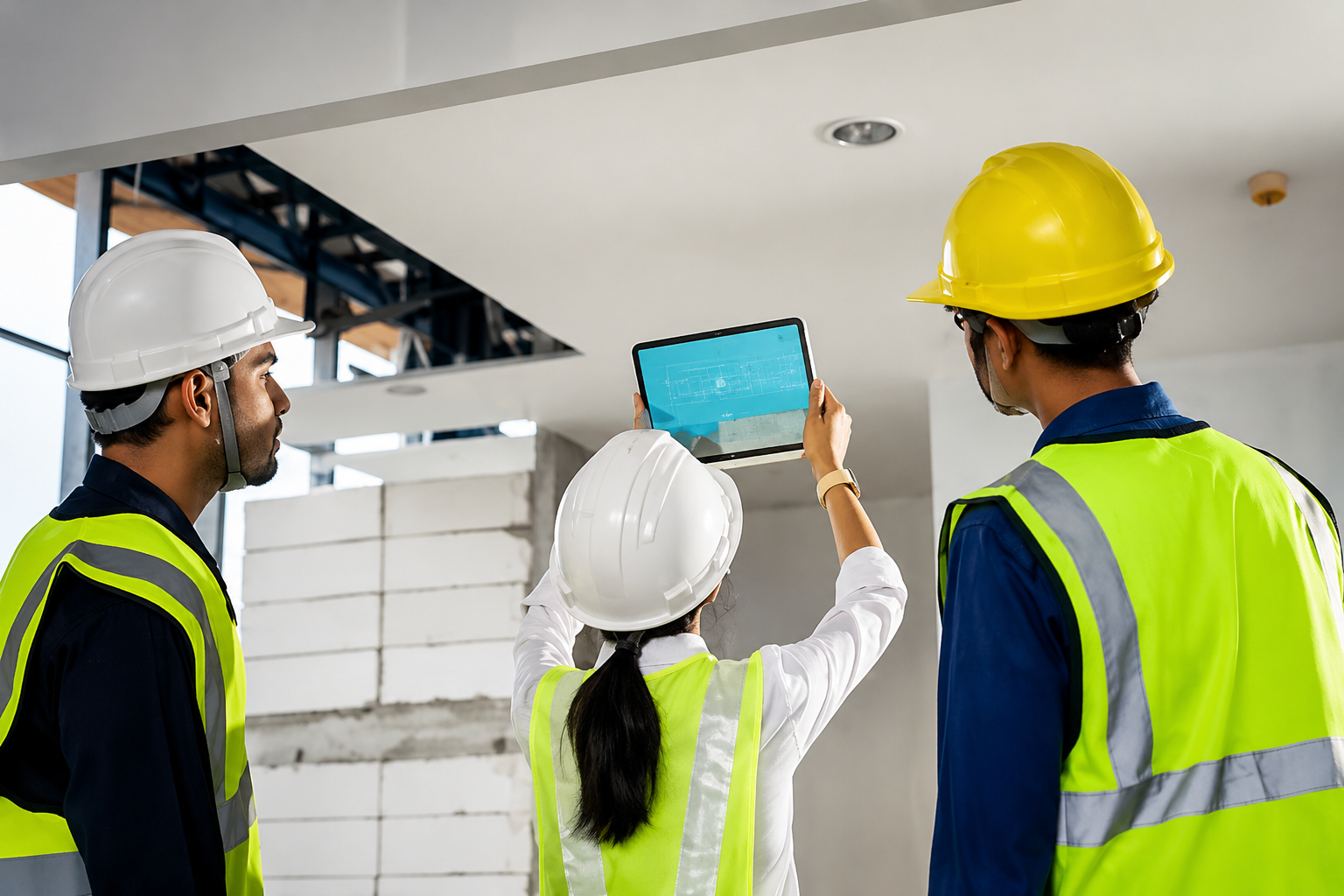
A property inspection is one of the most important steps in any real estate transaction. Whether you are buying your first home, selling a commercial building, or investing in rental property, a professional inspection helps identify potential problems before the deal is finalized. A property inspection provides a detailed evaluation of the condition of a building, including its structural components, electrical systems, plumbing, roofing, HVAC systems, and other essential features. By understanding the true condition of a property, buyers can make informed decisions while sellers can address issues that may affect the property's value. Investing in a property inspection offers peace of mind and reduces the chances of unexpected repair costs after purchase.
What Is Property Inspection?
A property inspection is a comprehensive assessment of a property's physical condition conducted by a qualified inspector. The inspection covers both the interior and exterior of the building to identify existing defects, maintenance concerns, and safety hazards. The inspector prepares a detailed report outlining observations, recommendations, and any repairs that may be necessary. Property inspections are commonly performed before buying or selling residential homes, commercial buildings, apartments, and investment properties. The goal is to provide an unbiased evaluation that helps all parties understand the property's overall condition.
Why Is Property Inspection Important?
Property inspection is important because it helps uncover hidden problems that may not be visible during a casual walkthrough. Issues such as roof leaks, foundation cracks, faulty wiring, plumbing leaks, mold growth, or damaged insulation can significantly impact the property's value and safety. Identifying these concerns before completing a transaction allows buyers to negotiate repairs or price adjustments. Sellers also benefit by fixing problems in advance, making the property more attractive to potential buyers. Ultimately, a property inspection reduces financial risks and promotes transparency in real estate transactions.
Types of Property Inspections
There are several types of property inspections designed for different purposes. A general home inspection evaluates the overall condition of residential properties. Commercial property inspections focus on offices, warehouses, retail spaces, and industrial buildings. Structural inspections examine the foundation and load-bearing elements of a building, while specialized inspections cover roofing, electrical systems, plumbing, HVAC equipment, mold, termites, and environmental hazards. Depending on the property's condition and age, buyers may require multiple inspections to obtain a complete understanding of potential risks.
What Does a Property Inspector Check?
During a property inspection, the inspector carefully examines the property's major systems and structural components. This includes the roof, walls, ceilings, floors, windows, doors, foundation, drainage, plumbing, electrical wiring, heating and cooling systems, insulation, ventilation, and visible signs of water damage or pest infestations. Exterior features such as driveways, garages, decks, fences, and landscaping may also be evaluated. The inspection aims to identify current defects as well as maintenance issues that could develop into costly repairs in the future.
Property Inspection Process
The property inspection process typically begins with scheduling an appointment after an offer has been accepted. The inspector visits the property and performs a detailed visual examination, which usually takes several hours depending on the property's size. During the inspection, photographs and notes are collected to document findings. Once completed, the inspector prepares a written report that includes descriptions of defects, maintenance recommendations, and photographs highlighting areas of concern. Buyers and sellers use this report to make informed decisions regarding repairs or negotiations.
Benefits of Property Inspection for Buyers
Property inspection provides numerous benefits for buyers by reducing uncertainty before purchasing a property. Buyers gain a clear understanding of the property's condition and can estimate future maintenance costs. Inspection reports also provide leverage during price negotiations if significant defects are discovered. Knowing about hidden problems before closing helps buyers avoid unexpected repair expenses and increases confidence in their investment. In many cases, the inspection can save thousands of dollars by identifying costly issues before ownership changes hands.
Benefits of Property Inspection for Sellers
Sellers can also benefit greatly from conducting a property inspection before listing their property. A pre-listing inspection allows sellers to identify and repair issues before buyers discover them. This proactive approach improves buyer confidence, reduces negotiation delays, and increases the likelihood of receiving competitive offers. A well-maintained property with a clean inspection report often sells faster and may command a higher selling price because buyers feel more secure about the property's condition.
Common Problems Found During Property Inspection
Many inspections reveal issues that property owners may not even realize exist. Common findings include roof damage, plumbing leaks, outdated electrical systems, foundation settlement, poor drainage, mold growth, damaged insulation, HVAC malfunctions, termite infestations, and deteriorating windows or doors. While not every issue is a deal-breaker, understanding these problems allows buyers and sellers to plan repairs appropriately and negotiate fairly during the transaction process.
How Long Does a Property Inspection Take?
The duration of a property inspection depends on the size, age, and condition of the building. Most residential inspections take between two and four hours, while larger commercial properties may require an entire day or multiple visits. Older buildings with numerous systems or visible damage often require additional time to evaluate thoroughly. Although the inspection itself is relatively short, reviewing the final report carefully is equally important for making informed decisions.
How Much Does a Property Inspection Cost?
The cost of a property inspection varies depending on location, property size, inspection type, and additional specialized services. Residential inspections generally cost less than commercial inspections because commercial buildings involve more complex systems. Additional inspections for mold, radon, termites, asbestos, or sewer lines may involve separate fees. While inspection costs may seem like an additional expense, they are often insignificant compared to the financial losses that can result from purchasing a property with hidden defects.
Choosing the Right Property Inspector
Selecting a qualified property inspector is essential for obtaining accurate and reliable results. Buyers should look for licensed, certified, and experienced inspectors with positive customer reviews and professional credentials. Asking for sample inspection reports can also help evaluate the inspector's level of detail and professionalism. A good inspector communicates findings clearly, answers questions honestly, and provides objective recommendations without influencing the purchase decision.
Preparing for a Property Inspection
Property owners can prepare for an inspection by ensuring that all areas of the building are accessible. Utility services should remain connected so the inspector can test electrical systems, plumbing fixtures, heating, and cooling equipment. Cleaning clutter around important components such as electrical panels, water heaters, furnaces, and attic entrances allows the inspection to proceed efficiently. Addressing minor maintenance issues beforehand can also improve the overall inspection results and create a positive impression.
Understanding the Property Inspection Report
After completing the inspection, the inspector provides a detailed report outlining observations, photographs, and recommendations. The report typically categorizes issues based on severity, distinguishing between routine maintenance items and significant structural or safety concerns. Buyers should review the report carefully and discuss any questions with the inspector. Understanding the report helps determine whether repairs should be requested, negotiations should continue, or additional specialized inspections are necessary before completing the purchase.
Property Inspection Tips for First-Time Buyers
First-time buyers should attend the property inspection whenever possible. Walking through the property with the inspector provides valuable insight into maintenance requirements and potential future expenses. Buyers should ask questions about identified issues, expected repair costs, and recommended maintenance practices. Reading the inspection report thoroughly and consulting qualified contractors for repair estimates can further strengthen purchasing decisions. A property inspection is not simply a formality—it is an educational opportunity that helps buyers become responsible property owners.
Conclusion
Property inspection plays a critical role in every successful real estate transaction. It provides buyers and sellers with valuable information about the condition of a property, helping them make informed decisions and avoid costly surprises. From identifying structural defects and safety hazards to evaluating electrical, plumbing, and HVAC systems, a professional property inspection offers comprehensive insight into the property's overall health. Whether purchasing a family home, selling an investment property, or acquiring commercial real estate, investing in a quality property inspection is one of the smartest decisions you can make. It protects your financial investment, improves negotiation opportunities, and ensures greater confidence throughout the buying or selling process. Proper planning, choosing a qualified inspector, and carefully reviewing the inspection report can make the entire real estate experience smoother, safer, and more successful.