
How Interior Design Teams Can Improve Project Documentation
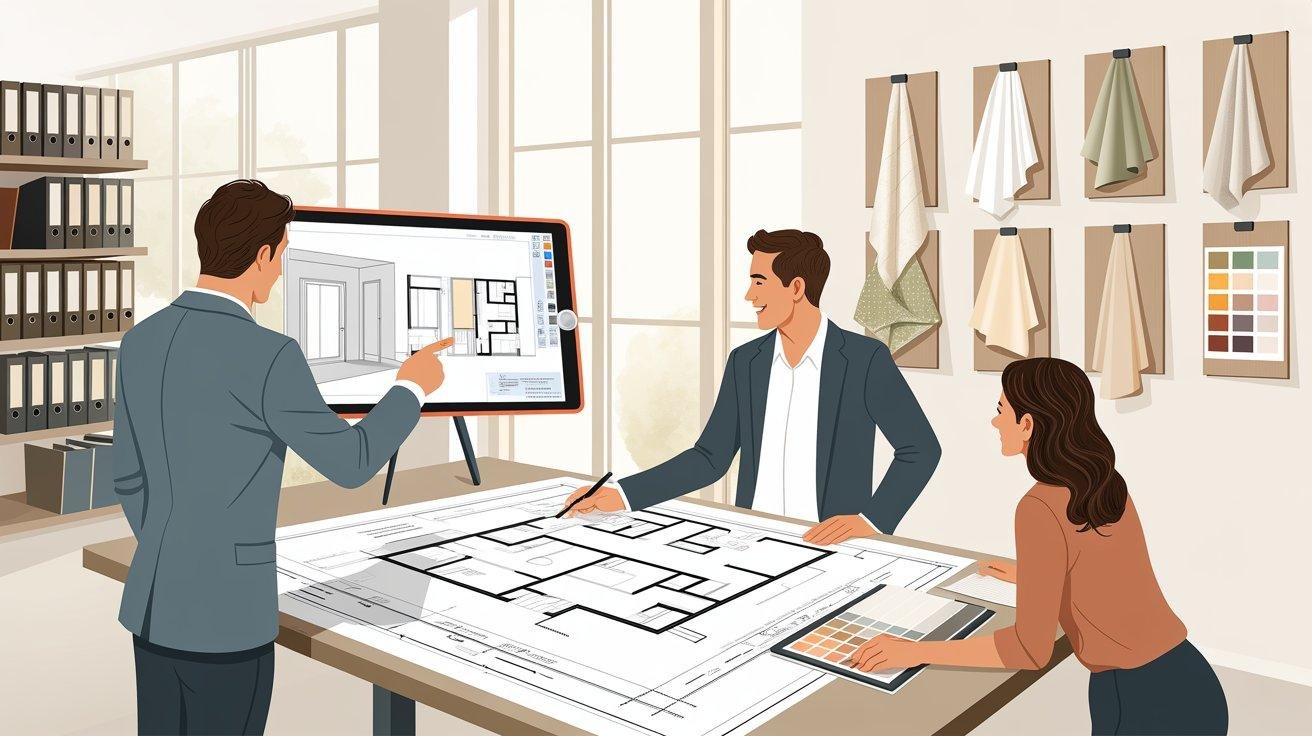
A beautiful interior design begins with creativity, but it succeeds because of organization. Every furniture selection, material finish, drawing revision, and client approval must be documented accurately to ensure the final space reflects the original vision. Even the most talented designers can face costly delays when project information is scattered across emails, spreadsheets, handwritten notes, and multiple software platforms.
Project documentation is often viewed as administrative work, yet it is one of the strongest foundations of successful design execution. It connects every stage of a project—from the first client meeting to procurement, installation, and final handover. Without a structured documentation process, misunderstandings become common, revisions are missed, and valuable time is wasted searching for information instead of moving the project forward.
For interior design teams, improving documentation is not about creating more paperwork. It is about building a system that keeps everyone informed, reduces errors, and allows creativity to flourish without unnecessary interruptions.
Why Project Documentation Matters More Than Ever
Modern interior design projects involve far more than selecting colors and furniture. Designers coordinate with architects, contractors, suppliers, manufacturers, procurement specialists, and clients throughout every phase of a project. Each decision affects schedules, budgets, and installation timelines.
Good documentation creates a reliable source of truth for everyone involved. Instead of relying on memory or searching through old conversations, team members can quickly access approved specifications, drawings, budgets, and revision histories.
When documentation is consistent, projects move faster because everyone works from the same information. Small questions are answered immediately, approvals become easier to track, and costly mistakes become less frequent.
Create Standard Documentation Templates
One of the simplest ways to improve documentation is by standardizing it.
Instead of allowing every designer to create documents differently, establish templates for meeting notes, product specifications, client approvals, installation schedules, finish schedules, change orders, and procurement records.
Standard templates provide several advantages:
-
Information remains consistent across projects.
-
New employees learn documentation procedures more quickly.
-
Clients receive professional and organized reports.
-
Teams spend less time creating documents from scratch.
A repeatable process also improves quality because important details are less likely to be forgotten.
Centralize All Project Information
Many documentation problems happen because information is stored in different places. A specification sheet might be saved in one folder, pricing in another spreadsheet, approvals inside email threads, and installation notes inside chat messages.
This fragmented workflow creates confusion whenever someone needs the latest information.
Instead, maintain one centralized location where all project documents are stored and updated. Team members should know exactly where to find:
-
Drawings
-
Product specifications
-
Client approvals
-
Budgets
-
Vendor information
-
Revision history
-
Installation schedules
Centralized documentation reduces duplicate work and helps everyone stay aligned throughout the project lifecycle.
Document Every Decision
Design projects evolve constantly. Clients change their minds, vendors discontinue products, budgets shift, and layouts are refined.
If these decisions are not documented immediately, confusion quickly follows.
Every important project decision should include:
-
What changed
-
Why the change was made
-
Who approved it
-
When it became effective
-
Any impact on budget or schedule
This creates a clear historical record that protects both the design team and the client if questions arise later.
Improve Version Control
One of the biggest challenges in documentation is managing revisions.
Imagine a contractor using an outdated floor plan while the designer is working from a newer version. Even a minor revision can result in incorrect installations, wasted materials, and expensive rework.
A clear version control process should include:
-
Document version numbers
-
Revision dates
-
Author information
-
Approval status
-
Archived previous versions
Keeping only one active version prevents team members from accidentally using outdated information.
Capture Complete Product Specifications
Interior design relies heavily on product documentation.
Every selected item should include complete details such as:
-
Manufacturer
-
Product name
-
Dimensions
-
Material
-
Finish
-
Color
-
Pricing
-
Lead time
-
Vendor information
-
Installation notes
Detailed specifications reduce procurement errors and ensure installers receive exactly what the design team intended.
When specifications remain incomplete, simple purchasing mistakes can create significant project delays.
Make Client Approvals Easy to Track
Client approvals often become buried inside lengthy email conversations.
Months later, nobody remembers which finish was approved or whether a furniture selection was finalized.
A structured approval process should clearly identify:
-
Pending approvals
-
Approved items
-
Rejected selections
-
Revision requests
-
Approval dates
Keeping approvals connected to individual products and documents reduces misunderstandings while improving accountability.
Strengthen Team Communication
Documentation is not just about storing information—it is about improving communication.
Every project includes multiple contributors who depend on timely updates. Designers, procurement specialists, contractors, and vendors all need accurate information to perform their responsibilities.
Encourage teams to record meeting summaries immediately after discussions. Instead of relying on verbal agreements, capture action items, deadlines, responsibilities, and next steps.
Short, consistent documentation often prevents much larger problems later.
Reduce Manual Data Entry
Repeatedly typing the same information into multiple documents increases the likelihood of mistakes.
Whenever possible, automate repetitive documentation tasks such as:
-
Product information
-
Pricing updates
-
Material schedules
-
Specification sheets
-
Procurement reports
Reducing manual work allows designers to spend more time focusing on design instead of administrative tasks.
Automation also improves consistency because information updates across multiple documents simultaneously.
Review Documentation Throughout the Project
Documentation should never be treated as a task completed only at the beginning or end of a project.
Instead, review documentation regularly during:
-
Design development
-
Client presentations
-
Budget reviews
-
Procurement
-
Construction
-
Installation
-
Project closeout
Frequent reviews help identify missing information before it becomes a costly issue.
Small documentation checks often prevent large project setbacks.
Learn From Completed Projects
Every finished project provides valuable lessons.
After project completion, review documentation with the team by asking questions such as:
-
Which documents caused confusion?
-
Where were delays created?
-
What information was difficult to locate?
-
Which templates worked well?
-
What should be improved for future projects?
Continuous improvement turns documentation into a competitive advantage rather than an administrative burden.
Build Documentation Into Daily Workflows
The best documentation systems are not complicated.
They become part of everyday work.
Instead of asking team members to complete documentation at the end of the week, encourage them to update records immediately after meetings, approvals, product selections, or design revisions.
Small updates require only a few minutes, while reconstructing weeks of project history can take hours.
Consistent habits produce accurate records that remain useful throughout the entire project.
Technology Can Support Better Documentation
Today's digital tools allow design firms to manage documentation more efficiently than traditional spreadsheets and disconnected files.
Modern documentation platforms can organize specifications, budgets, procurement records, approvals, revisions, and reporting within a single workflow.
Rather than replacing creativity, technology removes repetitive administrative tasks so designers can dedicate more attention to creating exceptional spaces and delivering outstanding client experiences.
The goal is not to document more—it is to document smarter.
Final Thoughts
Outstanding interior design is built on more than creativity. Behind every successful project is a well-organized documentation process that keeps people, products, schedules, and decisions connected.
Clear documentation minimizes mistakes, improves collaboration, strengthens client confidence, and keeps projects moving efficiently from concept to completion. As projects become increasingly complex, firms that invest in better documentation practices will spend less time solving preventable problems and more time delivering exceptional results.
When documentation becomes an everyday habit rather than an afterthought, design teams gain something invaluable: confidence that every detail is recorded, every decision is traceable, and every project has the structure needed for long-term success.
- Business
- Technology
- Finance
- Health
- Fashion
- Lifestyle
- Travel
- Food
- Education
- Real Estate
- Automobile
- Entertainment
- Sports
- Pets
- Home Decor
- Gardening
- Parenting
- Wedding
- Beauty
- Gaming
- Photography
- Music
- Movies
- News
- Politics
- Religion
- Astrology
- Law
- Insurance
- Jobs
- Freelancing
- Remote Work
- Blogging
- E-commerce
- WordPress
- OpenCart
- Social Media
- Graphic Design
- Web Design
- Programming
- Mobile Apps
- Artificial Intelligence
- SaaS
- Cyber Security
- Cloud Computing
- Hosting
- SEO
- Content Writing
- Email Marketing
- Affiliate Marketing
- YouTube
- Podcasting
- Interior Design
- DIY
- Crafts
- Art
- Architecture
- Environment
- Agriculture
- Animals
- Fishing
- Hunting
- Survival
- Outdoor
- Fitness
- Yoga
- Meditation
- Mental Health
- Skin Care
- Hair Care
- Makeup
- Jewelry
- Sarees
- Salwar Kameez
- Lehenga Choli
- Kurtis
- Men Fashion
- Women Fashion
- Kids Fashion
- Footwear
- Bags
- Watches
- Luxury
- Shopping
- Coupons
- Electronics
- Smartphones
- Laptops
- Tablets
- Cameras
- Home Appliances
- Kitchen
- Furniture
- Cleaning
- Baby Care
- Senior Care
- Relationships
- Self Improvement
- Motivation
- Quotes
- Festivals
- Events
- Careers
- Remote Work
- Productivity
- Wholesale
- Manufacturing
- Import Export
- Logistics
- Supply Chain
- Human Resources
- Customer Service
