
Modern Advancements in Firefighting Infrared Technology
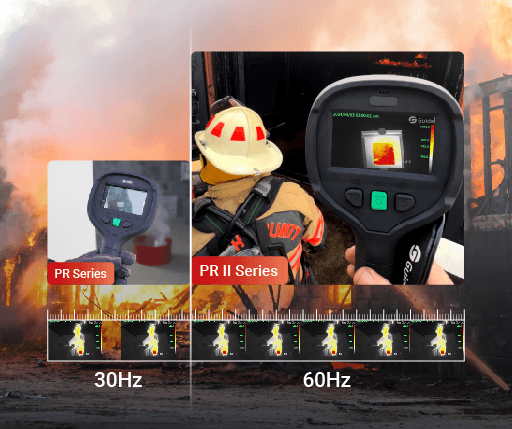
The landscape of emergency response has undergone a profound transformation in 2026, driven largely by the integration of sophisticated infrared sensors into the standard gear of search and rescue teams. Today, a thermal camera for firefighters professional grade unit is more than just a luxury; it is a critical instrument that bridges the gap between total blindness in smoke-filled environments and the clarity needed to save lives. As fire service protocols evolve, the emphasis on high-resolution thermal data has become the cornerstone of modern incident command, ensuring that teams can navigate complex structural fires with unprecedented precision and confidence.
The Science of Infrared Detection in 2026
At the heart of every modern firefighting operation is the management of thermal energy. Infrared sensors capture the electromagnetic radiation emitted by all objects, converting these invisible heat signatures into a readable visual format. Unlike standard optical cameras that rely on visible light, thermal imaging technology functions effectively in total darkness and through dense particulates like smoke or steam. This fundamental difference allows firefighters to perceive temperature gradients on surfaces, such as walls, floors, and ceilings, revealing the internal distribution of heat that would otherwise remain hidden from the human eye.
Improving Operational Speed and Rescue Precision
In the high-stakes environment of a structure fire, every second is a vital commodity. The deployment of a firefighting thermal imaging camera enables responders to rapidly assess the situation before even crossing the threshold of a building. By scanning points of entry, commanders can identify the most intense areas of heat, locate potential structural weaknesses, and determine the safest path for their teams. This proactive scanning prevents teams from blindly entering high-risk zones, allowing for a strategic attack that focuses resources exactly where they are required to achieve maximum impact.
Streamlining Search and Rescue Missions
When searching for trapped occupants, time is the ultimate enemy. Traditional visual search methods are often hindered by the physical conditions of the site, including debris, smoke, and lack of ambient lighting. Thermal imaging changes this dynamic by highlighting the distinct heat signature of the human body, which stands out sharply against cooler backgrounds. This allows for a swift, systematic sweep of a room, drastically reducing the time spent in dangerous areas and significantly increasing the probability of successful victim recovery.
The Critical Role of High-Definition Processing
Clarity is essential when interpreting data under pressure. By utilizing a thermal camera for firefighters with image enhancement, responders can drastically improve their visual acuity in cluttered spaces. Modern image processing algorithms effectively reduce thermal noise while sharpening the edges of objects, making it easier to distinguish between furniture, structural beams, and potential victims. This heightened level of detail allows firefighters to move through unfamiliar layouts without hesitation, ensuring that they can focus on their mission rather than struggling with the limitations of their hardware.
Overcoming Visual Obstacles
Even in the most challenging scenarios, where visibility is reduced to near zero, advanced processing techniques maintain the integrity of the image. By isolating fine thermal textures, these cameras prevent the "wash-out" effect that occurs when a room is filled with uniform heat. This ensures that the contrast between different objects is preserved, enabling the firefighter to maintain a constant, clear understanding of their surroundings at all times.
Tactical Advantages for Incident Command
Incident command requires a comprehensive view of the fire scene to manage personnel and resources safely. Infrared technology provides this by feeding real-time thermal maps to the command post. Commanders can observe the movement of fire through voids or behind partitions, allowing them to shift suppression efforts before a fire spreads. This level of oversight turns a chaotic scene into a coordinated tactical event, where every move is backed by concrete thermal evidence rather than guesswork.
Long-Term Personnel Safety
The application of infrared imaging extends far beyond initial suppression. By monitoring the heat load on their own gear and the environment, team leads can effectively manage the physical exertion of their crews. Recognizing when a firefighter is approaching their limit or when a floor is losing structural integrity due to extreme temperature gradients allows for timely rotations and preventative measures, ensuring that the team remains capable throughout the entire operation.
Reliability and Durability in the Field
Hardware deployed in the modern fire service must endure the most punishing conditions imaginable. Professional-grade units are built with heat-hardened, impact-resistant housings that survive drops, extreme water exposure, and intense vibration. This durability ensures that the sensor remains perfectly calibrated regardless of the physical abuse it encounters on the fire ground. Reliability is the bedrock of trust, and knowing that their equipment will perform under extreme stress is what gives crews the confidence to push into hazardous areas.
The Maintenance Cycle
To ensure that this vital technology remains a dependable asset, departments follow rigorous maintenance schedules. Regular lens cleaning and adherence to annual factory calibration standards guarantee that the temperature data collected remains accurate. When a camera is treated as a professional life-safety device, it functions as a permanent extension of the firefighter’s senses, providing the clarity required for high-stakes decision-making.
Future-Proofing the Fire Service
As we look toward the future, the integration of wireless connectivity and data logging is set to further revolutionize the field. Real-time streaming to remote experts, the ability to record footage for training, and the seamless integration of thermal maps into tactical software are all becoming standard. By embracing these advancements, departments are not just responding to fires more effectively—they are building a foundation for safer and more informed emergency management in the decades to come.
Conclusion
The evolution of thermal imaging represents one of the most significant leaps forward in the history of firefighting. By providing responders with the ability to "see" through the most hostile conditions, these tools protect both the public and the brave individuals who serve on the front lines. As technology continues to push the boundaries of what is possible, the integration of advanced thermal systems remains the definitive path toward a safer, more efficient, and more capable fire service.
Frequently Asked Questions
1. How does thermal imaging change the way firefighters locate trapped victims?
Thermal cameras identify the heat signatures of human bodies, creating a clear contrast against cooler surroundings, which allows rescuers to find victims significantly faster than they could by relying on standard vision.
2. Are thermal cameras capable of detecting fire behind solid walls?
Thermal cameras cannot see through solid objects, but they can detect the temperature changes on the surface of a wall caused by heat radiating from the fire occurring in the space behind it.
3. Why is image enhancement considered a mandatory feature for professional teams?
Image enhancement technology sharpens the boundaries between objects in a scene, which reduces the cognitive strain on the firefighter and helps them navigate debris-filled or cluttered environments with much greater speed.
4. How do thermal cameras prevent the risk of fire rekindling during the overhaul phase?
During overhaul, crews use thermal imaging to perform a comprehensive sweep of the structure to identify hidden embers or hotspots that are still smoldering inside wall cavities, preventing a secondary fire from starting after the initial scene has been cleared.
5. How does wireless connectivity help incident commanders manage large fire scenes?
Wireless connectivity allows interior teams to relay thermal video feeds directly to a command post, providing leaders with a real-time view of the interior fire spread so they can make better-informed tactical decisions from a safer location.
6. What makes a thermal imaging camera "professional-grade"?
Professional-grade cameras are defined by their durability, high-resolution sensors, and adherence to international safety standards, ensuring they remain operational in extreme temperatures and high-impact environments where standard or consumer-grade hardware would fail.
- Business
- Technology
- Finance
- Health
- Fashion
- Lifestyle
- Travel
- Food
- Education
- Real Estate
- Automobile
- Entertainment
- Sports
- Pets
- Home Decor
- Gardening
- Parenting
- Wedding
- Beauty
- Gaming
- Photography
- Music
- Movies
- News
- Politics
- Religion
- Astrology
- Law
- Insurance
- Jobs
- Freelancing
- Remote Work
- Blogging
- E-commerce
- WordPress
- OpenCart
- Social Media
- Graphic Design
- Web Design
- Programming
- Mobile Apps
- Artificial Intelligence
- SaaS
- Cyber Security
- Cloud Computing
- Hosting
- SEO
- Content Writing
- Email Marketing
- Affiliate Marketing
- YouTube
- Podcasting
- Interior Design
- DIY
- Crafts
- Art
- Architecture
- Environment
- Agriculture
- Animals
- Fishing
- Hunting
- Survival
- Outdoor
- Fitness
- Yoga
- Meditation
- Mental Health
- Skin Care
- Hair Care
- Makeup
- Jewelry
- Sarees
- Salwar Kameez
- Lehenga Choli
- Kurtis
- Men Fashion
- Women Fashion
- Kids Fashion
- Footwear
- Bags
- Watches
- Luxury
- Shopping
- Coupons
- Electronics
- Smartphones
- Laptops
- Tablets
- Cameras
- Home Appliances
- Kitchen
- Furniture
- Cleaning
- Baby Care
- Senior Care
- Relationships
- Self Improvement
- Motivation
- Quotes
- Festivals
- Events
- Careers
- Remote Work
- Productivity
- Wholesale
- Manufacturing
- Import Export
- Logistics
- Supply Chain
- Human Resources
- Customer Service
