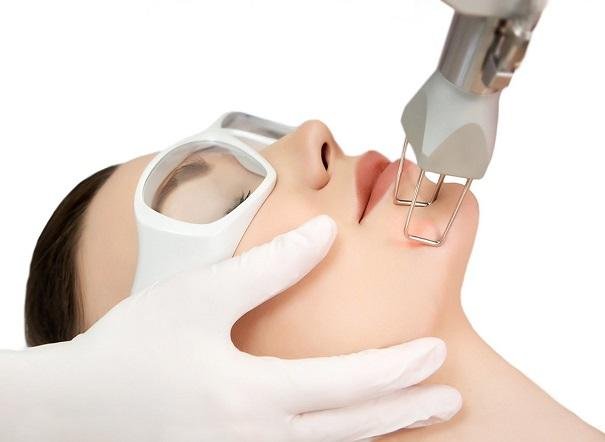
Skin resurfacing procedures have become a cornerstone of modern aesthetic dermatology, offering effective solutions for scars, wrinkles, pigmentation, and uneven texture. One of the most widely discussed options in this category is the Fractional CO2 Laser, known for its ability to deeply rejuvenate the skin by stimulating collagen production and replacing damaged skin cells with healthier ones. However, not everyone is an ideal candidate for this treatment, and understanding suitability is essential before undergoing the procedure. Identifying the right candidates helps ensure safer outcomes, better healing, and more satisfying long-term results.
What Defines an Ideal Candidate:
An ideal candidate for laser resurfacing is someone who has specific skin concerns that respond well to controlled skin injury and regeneration. These individuals typically have realistic expectations and are in good overall health, allowing their skin to heal efficiently after treatment. Dermatologists carefully evaluate skin condition, medical history, and lifestyle factors before recommending the procedure.
- Individuals with visible acne scars or surgical scars
- People experiencing fine lines and early signs of aging
- Those with uneven skin tone or sun damage
- Patients with enlarged pores or rough texture
- Individuals seeking long-term skin rejuvenation
A strong candidate is also someone who understands that results develop gradually and require proper aftercare.
Skin Conditions That Respond Best:
Certain skin concerns respond more effectively to resurfacing treatments than others. The procedure works particularly well on structural skin issues that involve texture irregularities or deeper damage. Patients with long-standing skin concerns often notice the most dramatic improvements over time.
- Atrophic acne scars and post-acne marks
- Fine wrinkles around eyes, mouth, and forehead
- Sun-damaged skin with pigmentation irregularities
- Mild to moderate skin laxity and dullness
- Uneven texture caused by environmental damage
These conditions improve as the skin naturally produces new collagen and healthy tissue replaces damaged layers.
Health and Medical Considerations:
General health plays an important role in determining whether a person is suitable for laser resurfacing. Since the procedure relies on the body’s natural healing ability, any condition that affects recovery or skin regeneration must be carefully evaluated. A detailed consultation helps minimize risks and ensure safe treatment planning.
- No active skin infections or open wounds
- No history of severe wound healing disorders
- Controlled chronic medical conditions (if present)
- No recent use of certain medications affecting healing
- Good immune system function for recovery support
Patients with underlying health issues may still be eligible, but only under strict medical supervision.
Skin Types and Sensitivity Factors:
Different skin types respond differently to laser treatments, and this is an important factor in determining candidacy. While many skin tones can safely undergo resurfacing, certain individuals may require adjusted settings or alternative approaches to reduce the risk of pigmentation changes.
- Lighter skin tones generally heal with fewer complications
- Medium skin tones may require customized laser settings
- Deeper skin tones need careful evaluation to prevent hyperpigmentation
- Sensitive skin may require lower intensity treatment
- Patients with keloid tendencies may not be suitable
Proper assessment ensures that treatment is both safe and effective for each skin type.
Lifestyle and Commitment Requirements:
Successful outcomes depend not only on skin condition but also on the patient’s willingness to follow pre- and post-treatment guidelines. Lifestyle habits can significantly influence healing speed and final results. Ideal candidates are those who can commit to proper skincare and recovery practices.
- Willingness to avoid sun exposure during healing
- Commitment to daily sunscreen use after treatment
- Ability to follow skincare instructions carefully
- Avoidance of smoking, which delays healing
- Patience for gradual, long-term results
These habits help maximize benefits and reduce the risk of complications.
Who Should Avoid the Treatment:
While many people can benefit from resurfacing, certain individuals are advised to avoid or delay the procedure. This ensures safety and prevents poor healing outcomes. In such cases, alternative treatments may be recommended by a dermatologist.
- Pregnant or breastfeeding individuals (precautionary measure)
- People with active acne outbreaks or infections
- Those with recent excessive sun exposure or tanning
- Individuals prone to abnormal scarring or keloids
- Patients unable to follow aftercare instructions
Delaying treatment until conditions stabilize often leads to safer and more effective results.
Psychological Readiness and Expectations:
An often overlooked aspect of candidacy is psychological readiness. Since results develop gradually over time, patients must have realistic expectations and understand the healing process. Those expecting instant transformation may not be satisfied, even if results are objectively good.
- Understanding that results take weeks to months to appear
- Awareness of temporary redness and peeling after treatment
- Acceptance that multiple sessions may be needed
- Realistic expectations about scar and wrinkle improvement
- Willingness to invest time in recovery and maintenance
Clear communication with a dermatologist helps align expectations with achievable outcomes.
Benefits for the Right Candidates:
When performed on suitable individuals, laser resurfacing can deliver significant and long-lasting improvements in skin quality. The treatment enhances both surface appearance and deeper skin structure, leading to overall rejuvenation.
- Improved skin texture and smoother surface
- Reduction in scars and fine lines
- More even and brighter complexion
- Increased collagen production for long-term benefits
- Enhanced overall skin firmness and clarity
These benefits continue to improve as the skin heals and regenerates naturally.
Final Thoughts:
Determining candidacy is one of the most important steps before undergoing skin resurfacing, as it directly impacts safety, healing, and final results. The procedure works best for individuals with specific skin concerns, good overall health, and realistic expectations about recovery and outcomes. With proper evaluation and professional guidance, suitable candidates can achieve significant improvements in skin texture, tone, and overall appearance, making it a valuable option for long-term skin rejuvenation.