Grapes are among the most valuable fruit crops cultivated across India and many parts of the world. However, fungal diseases remain one of the biggest challenges in successful vineyard management. Diseases such as downy mildew, powdery mildew, anthracnose, and leaf spot can significantly reduce fruit quality, yield, and profitability if not managed properly.
Choosing the right fungicide for grape farming is an essential part of modern crop protection. Along with good agronomic practices, disease monitoring, and timely spraying, fungicides help farmers maintain healthy vines and achieve consistent production.
This comprehensive guide explains common grape diseases, disease management strategies, types of fungicides, and how farmers can protect vineyards effectively.
What Is a Fungicide for Grape Farming?
A fungicide is a crop protection product designed to prevent, suppress, or eliminate fungal pathogens that attack plants. In vineyards, fungicides play a critical role in protecting leaves, stems, flowers, and grape bunches from disease outbreaks.
Modern vineyard disease management often combines:
- Preventive fungicide applications
- Curative disease control
- Cultural management practices
- Integrated disease management (IDM)
- Regular crop scouting
Using the right fungicide at the right stage can significantly reduce disease pressure and improve fruit quality.
Why Are Fungal Diseases a Major Problem in Vineyards?
Grape vines are highly susceptible to fungal infections, especially during humid and rainy conditions.
Common challenges include:
- Reduced photosynthesis
- Premature leaf drop
- Fruit cracking
- Poor bunch development
- Lower sugar accumulation
- Reduced market value
- Increased production costs
Unchecked fungal infections can spread rapidly across an entire vineyard within a short period.
Common Fungal Diseases in Grapes
Downy Mildew
Downy mildew is one of the most destructive diseases affecting grape cultivation.
Symptoms include:
- Yellow oil-like spots on leaves
- White fungal growth on leaf undersides
- Leaf drying and defoliation
- Poor fruit set
Many growers use a reliable fungicide for grape farming to prevent severe downy mildew outbreaks during rainy seasons.
Powdery Mildew
Powdery mildew commonly appears as a white powdery growth on leaves and fruits.
Effects include:
- Reduced berry quality
- Fruit cracking
- Poor bunch appearance
- Lower market prices
Timely application of a systemic fungicide for crops helps reduce infection and protect fruit quality.
Anthracnose
Anthracnose can attack leaves, shoots, and berries.
Common symptoms:
- Dark sunken lesions
- Leaf spots
- Fruit blemishes
- Shoot damage
Early intervention is critical to prevent spread throughout the vineyard.
Leaf Spot Diseases
Various fungal pathogens cause leaf spot diseases in grapes.
Consequences include:
- Reduced leaf area
- Poor vine vigor
- Lower productivity
- Weak fruit development
Contact Fungicide vs Systemic Fungicide for Crops
Many farmers ask which fungicide type works best.
Contact Fungicides
Contact fungicides remain on the plant surface and create a protective barrier.
Benefits:
- Prevent infection
- Broad-spectrum activity
- Lower resistance risk
- Cost-effective protection
A contact fungicide spray for fruits is often used before disease development.
Systemic Fungicides
Systemic fungicides are absorbed by plant tissues and move internally.
Advantages:
- Curative action
- Longer protection
- Internal disease control
- Better performance under disease pressure
A quality systemic fungicide for crops is often preferred when disease symptoms are already visible.
How to Choose the Best Fungicide for Grape Farming
Selecting the right fungicide depends on several factors.
Disease Identification
Correct diagnosis is essential.
Determine:
- Disease type
- Severity
- Crop growth stage
- Weather conditions
Mode of Action
Rotating fungicides with different modes of action helps prevent resistance development.
Weather Conditions
Rainfall, humidity, and temperature influence disease spread and fungicide performance.
Crop Stage
Different diseases become more aggressive during specific crop stages.
Monitor vineyards regularly and adjust spray schedules accordingly.
Integrated Disease Management in Vineyards
Modern disease management goes beyond fungicide application.
Vineyard Sanitation
Remove:
- Diseased leaves
- Infected shoots
- Fallen plant debris
This reduces fungal inoculum.
Canopy Management
Proper pruning improves:
- Air circulation
- Light penetration
- Disease suppression
Balanced Nutrition
Healthy plants resist disease better.
Ensure proper:
- Nitrogen management
- Potassium availability
- Micronutrient supply
Irrigation Management
Avoid excessive moisture around vines.
Good drainage reduces disease development.
How Fungicide Spray Programs Improve Yield
A well-planned fungicide program helps farmers:
- Protect foliage
- Improve photosynthesis
- Maintain fruit quality
- Increase bunch size
- Reduce crop losses
- Improve marketability
Healthy vines consistently produce better yields and stronger economic returns.
Recommended Fungicide Solutions for Vineyard Disease Management
Several fungicide technologies are commonly used in disease management programs.
Examples include:
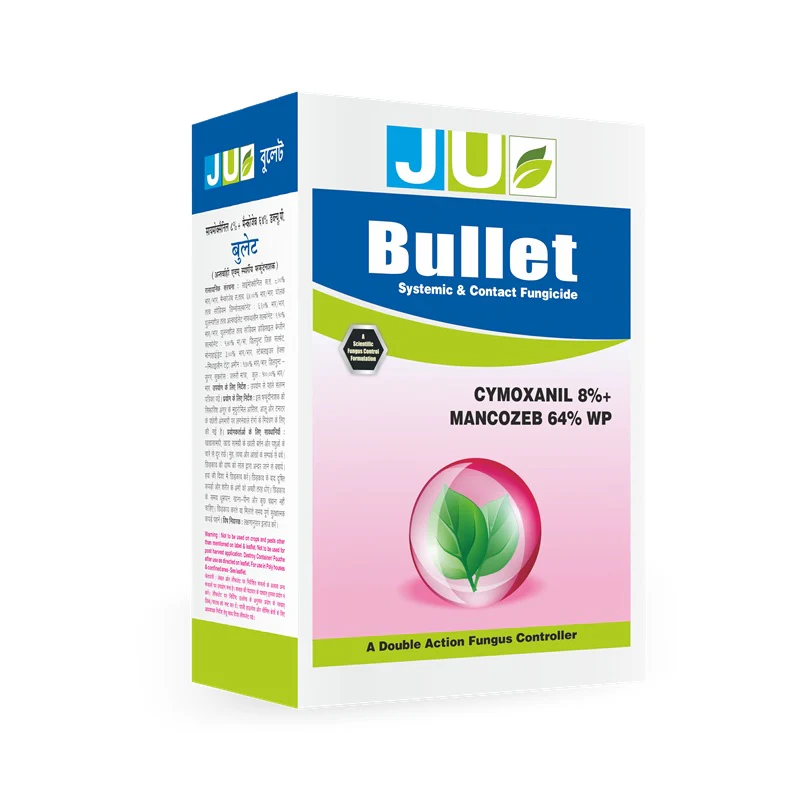
JU BULLET
A combination of Cymoxanil and Mancozeb.
Suitable for:
- Downy mildew management
- Preventive disease control
- Broad-spectrum fungal protection
JU AZOLE
Contains Azoxystrobin and Difenoconazole.
Useful against:
- Anthracnose
- Powdery mildew
- Leaf spot diseases
JU ZODIA
Contains Azoxystrobin and Tebuconazole.
Provides:
- Preventive action
- Curative action
- Broad-spectrum disease control
Farmers can explore crop protection solutions from Gramiti.
Common Farmer Questions About Fungicides
Many growers also search for solutions related to:
- fungicide for tomato farming
- fungicide for onion farming
- fungicide for paddy crop
- fungicide for wheat rust
- fungicide for potato late blight
- fungicide for sugarcane disease
- fungicide for cotton diseases
- fungicide for soybean rust
- fungicide spray for banana crops
- fungicide for chili plants
- best fungicide for pulses
- fungicide for groundnut farming
Disease management principles remain similar across crops: prevention, monitoring, proper fungicide selection, and timely application.
Practical Farming Tips for Better Disease Control
Scout Regularly
Inspect fields every week for disease symptoms.
Spray Preventively
Preventive treatments usually provide better results than curative applications.
Rotate Fungicides
Avoid repeated use of the same chemistry.
Follow Label Recommendations
Always use recommended doses and spray intervals.
Monitor Weather
Disease outbreaks often follow humid and rainy conditions.
Maintain Crop Hygiene
Remove infected plant material immediately.
Why Farmers Buy Fungicides Online
Today many growers prefer to buy fungicide online India due to:
- Wider product availability
- Competitive pricing
- Home delivery
- Easy product comparison
- Expert guidance
Farmers seeking a cheap fungicide online India should prioritize product quality, authenticity, and technical support rather than price alone.
Gramiti NAP Information
Gramiti – A Trusted Place for Farmers
Address: 7th Floor, Express Trade Tower II, B-36, Sector 132, Noida, Gautam Buddha Nagar, Uttar Pradesh 201301, India
Phone: 993-997-9905
Website: Gramiti.com
Gramiti provides crop protection products, fungicides, herbicides, insecticides, and crop nutrition solutions designed to support modern farming needs.
FAQs
1. What is the best fungicide for grape farming?
The best fungicide depends on the disease being targeted, weather conditions, and crop stage. Integrated disease management usually combines preventive and systemic fungicides.
2. How often should fungicides be sprayed in vineyards?
Spray intervals vary depending on disease pressure, rainfall, and product recommendations, typically ranging from 7 to 15 days.
3. What causes downy mildew in grapes?
High humidity, rainfall, and poor air circulation create favorable conditions for downy mildew development.
4. Are systemic fungicides better than contact fungicides?
Both have important roles. Contact fungicides help prevent infection, while systemic fungicides provide internal disease control.
5. Can fungicides improve grape yield?
Yes. Effective disease management helps maintain healthy foliage, improve fruit quality, and increase overall vineyard productivity.
Conclusion
Successful grape cultivation depends heavily on effective disease management. Fungal diseases such as downy mildew, powdery mildew, anthracnose, and leaf spot can significantly affect vineyard profitability if left unchecked. By combining preventive practices, proper crop monitoring, and the right fungicide for grape farming, growers can protect vine health, improve fruit quality, and maximize yields.
CTA
Looking for reliable crop protection solutions for vineyards and other crops? Explore quality fungicides, herbicides, insecticides, and crop nutrition products from Gramiti. With expert support, competitive pricing, fast delivery, and farmer-focused services, Gramiti helps growers protect crops and improve productivity throughout the season.