
Why Institutional Architecture Is Becoming a Key Driver of Sustainable Development
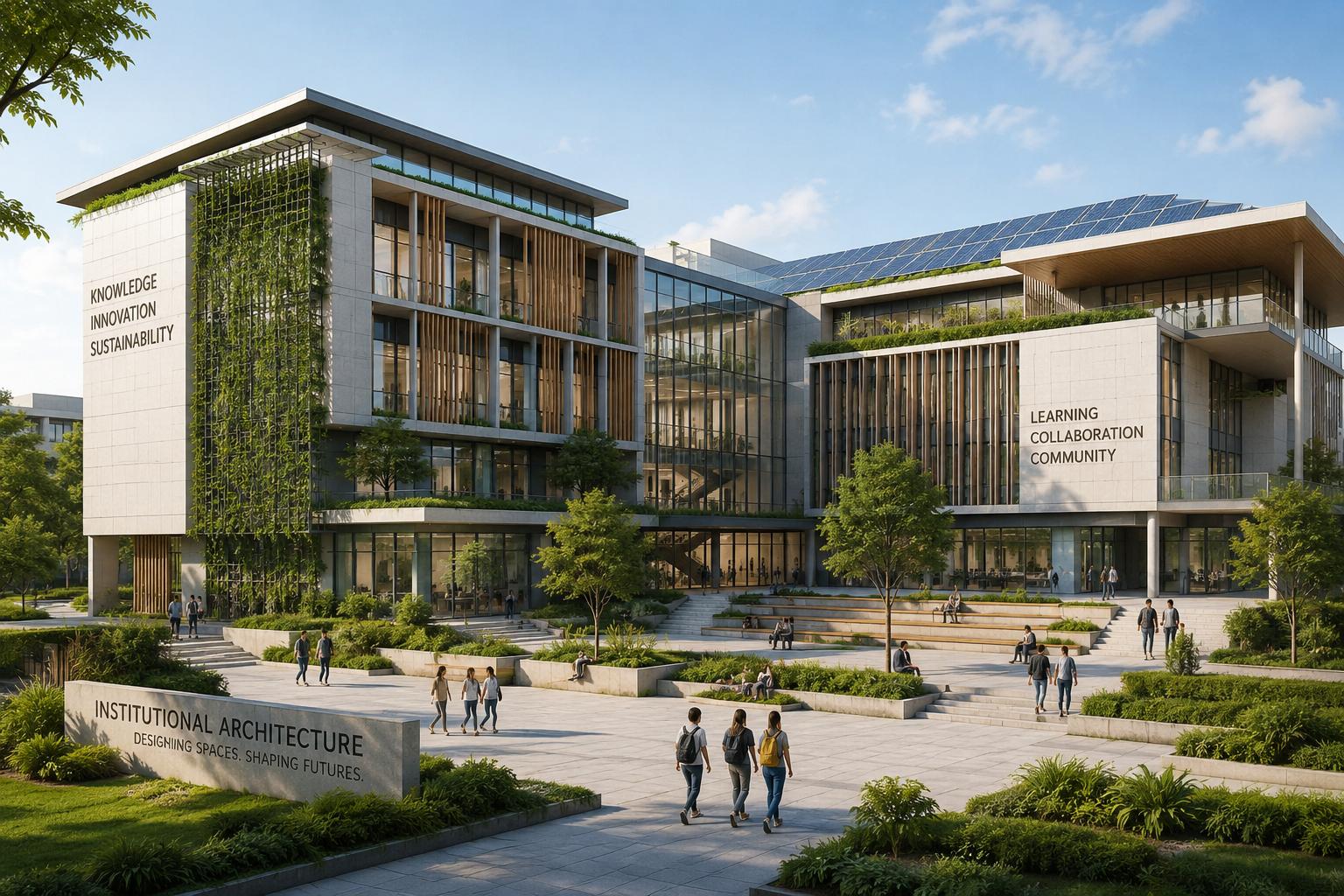
Institutional Architecture plays a crucial role in shaping the spaces where communities learn, heal, work, and grow. From schools and universities to hospitals, government buildings, and research centers, institutional structures influence millions of lives every day.
As sustainability becomes a global priority, the focus on environmentally responsible construction and design has intensified. Governments, educational organizations, healthcare providers, and urban planners are increasingly investing in sustainable institutional buildings that reduce environmental impact while improving functionality and user well-being.
Today, Institutional Architecture is no longer just about creating large public facilities. It has evolved into a strategic tool that supports sustainable development by promoting energy efficiency, resource conservation, social inclusion, and long-term economic value.
What Is Institutional Architecture?
Institutional Architecture refers to the planning, design, and construction of buildings that serve public, educational, healthcare, governmental, and community functions. These facilities are designed to accommodate large groups of people while ensuring safety, accessibility, efficiency, and adaptability.
Common examples include:
-
Schools and universities
-
Hospitals and healthcare centers
-
Government offices
-
Libraries
-
Research institutions
-
Cultural centers
-
Community facilities
Modern Institutional Architecture focuses on creating spaces that not only fulfill operational requirements but also contribute positively to environmental and social goals.
The Growing Connection Between Institutional Architecture and Sustainability
Sustainable development aims to meet present needs without compromising future generations. Institutional buildings consume significant amounts of energy, water, and materials throughout their lifecycle.
By adopting sustainable architectural practices, institutions can:
-
Lower carbon emissions
-
Reduce energy consumption
-
Minimize waste generation
-
Improve occupant health
-
Enhance operational efficiency
-
Support community development
As a result, Institutional Architecture has become a powerful driver of sustainability across urban and rural environments.
Energy-Efficient Building Design
One of the primary ways Institutional Architecture contributes to sustainable development is through energy-efficient design.
Architects now integrate features such as:
Natural Lighting
Large windows, skylights, and strategic building orientation maximize daylight penetration, reducing dependence on artificial lighting.
Smart HVAC Systems
Advanced heating, ventilation, and air conditioning systems help regulate indoor temperatures while minimizing energy consumption.
High-Performance Building Envelopes
Improved insulation, energy-efficient glazing, and thermal control systems significantly reduce operational energy demands.
These strategies enable institutions to lower utility costs while reducing their environmental footprint.
Sustainable Material Selection
The materials used in Institutional Architecture have a significant impact on sustainability outcomes.
Modern projects increasingly utilize:
Recycled Materials
Reclaimed wood, recycled steel, and reused construction materials help reduce resource extraction.
Low-Carbon Products
Environmentally responsible materials generate fewer emissions during manufacturing and transportation.
Locally Sourced Resources
Using regional materials lowers transportation-related emissions and supports local economies.
Sustainable material selection helps institutions achieve long-term environmental goals while maintaining structural durability and performance.
Promoting Health and Well-Being
Institutional Architecture directly influences the physical and mental well-being of occupants.
Whether designing a hospital, school, or government facility, architects now prioritize human-centered design principles.
Improved Indoor Air Quality
Proper ventilation systems reduce pollutants and improve occupant comfort.
Access to Natural Light
Studies consistently show that daylight improves productivity, concentration, and overall well-being.
Green Spaces
Landscaped courtyards, gardens, and outdoor learning environments create healthier and more engaging experiences.
These features contribute to healthier communities and support broader sustainability objectives.
Water Conservation Strategies
Water management has become a critical component of sustainable Institutional Architecture.
Modern facilities often incorporate:
Rainwater Harvesting Systems
Collected rainwater can be used for landscaping, cleaning, and non-potable applications.
Low-Flow Fixtures
Efficient plumbing systems significantly reduce water consumption.
Wastewater Recycling
Greywater treatment systems allow institutions to reuse water safely and efficiently.
These initiatives help conserve valuable water resources while reducing operational expenses.
Supporting Social Sustainability
Sustainable development extends beyond environmental considerations. Social sustainability is equally important.
Institutional Architecture supports social progress by creating inclusive, accessible, and community-focused environments.
Universal Accessibility
Buildings are designed to accommodate people of all ages and abilities.
Community Engagement
Public institutions often serve as gathering spaces that strengthen social connections.
Flexible Learning and Working Environments
Adaptable spaces support changing educational, healthcare, and workplace needs.
These benefits contribute to stronger, more resilient communities.
Smart Technology Integration
Technology is transforming Institutional Architecture and enhancing sustainability performance.
Modern buildings increasingly feature:
Smart Energy Management
Automated systems monitor and optimize energy usage in real time.
Occupancy Sensors
Lighting and climate controls adjust based on building occupancy.
Building Analytics
Data-driven insights help facility managers improve efficiency and maintenance planning.
Smart technologies enable institutions to maximize resource efficiency while improving user experiences.
Long-Term Economic Benefits
Sustainable Institutional Architecture offers substantial financial advantages.
Although initial investments may be higher, long-term savings often outweigh upfront costs.
Benefits include:
-
Lower energy bills
-
Reduced maintenance expenses
-
Longer building lifespan
-
Improved operational efficiency
-
Increased asset value
Governments and organizations recognize that sustainable buildings provide better returns over time while supporting environmental goals.
The Future of Institutional Architecture
As climate concerns continue to grow, Institutional Architecture will play an even greater role in sustainable development.
Future trends include:
-
Net-zero energy buildings
-
Carbon-neutral construction
-
Renewable energy integration
-
Smart building ecosystems
-
Climate-resilient design strategies
-
Biophilic architecture
These innovations will help institutions meet sustainability targets while creating healthier, more efficient environments.
Frequently Asked Questions
1. What is Institutional Architecture?
Institutional Architecture focuses on designing public facilities such as schools, hospitals, libraries, research centers, and government buildings.
2. Why is Institutional Architecture important for sustainability?
It reduces resource consumption, improves energy efficiency, supports healthier environments, and promotes long-term community development.
3. What sustainable features are commonly used in institutional buildings?
Common features include solar panels, efficient HVAC systems, daylighting, rainwater harvesting, and sustainable materials.
4. How does Institutional Architecture improve occupant well-being?
It enhances indoor air quality, natural lighting, accessibility, and user comfort, creating healthier spaces for occupants.
5. What role does technology play in Institutional Architecture?
Smart systems help monitor energy use, automate operations, improve maintenance, and increase building efficiency.
6. Can sustainable institutional buildings reduce operating costs?
Yes, they lower utility bills, reduce maintenance needs, and improve long-term financial performance for organizations.
Conclusion
Institutional Architecture is rapidly becoming a key driver of sustainable development by improving energy efficiency, conserving resources, enhancing occupant well-being, and supporting community growth. As organizations seek future-ready facilities, sustainable design has become an essential priority rather than an option.
Studio Rivet is a forward-thinking architecture and design studio specializing in innovative, functional, and sustainable environments. From educational campuses and healthcare facilities to large-scale institutional projects, Studio Rivet combines creativity, technical expertise, and responsible design practices to create impactful spaces that support long-term growth and sustainability.
- Business
- Technology
- Finance
- Health
- Fashion
- Lifestyle
- Travel
- Food
- Education
- Real Estate
- Automobile
- Entertainment
- Sports
- Pets
- Home Decor
- Gardening
- Parenting
- Wedding
- Beauty
- Gaming
- Photography
- Music
- Movies
- News
- Politics
- Religion
- Astrology
- Law
- Insurance
- Jobs
- Freelancing
- Remote Work
- Blogging
- E-commerce
- WordPress
- OpenCart
- Social Media
- Graphic Design
- Web Design
- Programming
- Mobile Apps
- Artificial Intelligence
- SaaS
- Cyber Security
- Cloud Computing
- Hosting
- SEO
- Content Writing
- Email Marketing
- Affiliate Marketing
- YouTube
- Podcasting
- Interior Design
- DIY
- Crafts
- Art
- Architecture
- Environment
- Agriculture
- Animals
- Fishing
- Hunting
- Survival
- Outdoor
- Fitness
- Yoga
- Meditation
- Mental Health
- Skin Care
- Hair Care
- Makeup
- Jewelry
- Sarees
- Salwar Kameez
- Lehenga Choli
- Kurtis
- Men Fashion
- Women Fashion
- Kids Fashion
- Footwear
- Bags
- Watches
- Luxury
- Shopping
- Coupons
- Electronics
- Smartphones
- Laptops
- Tablets
- Cameras
- Home Appliances
- Kitchen
- Furniture
- Cleaning
- Baby Care
- Senior Care
- Relationships
- Self Improvement
- Motivation
- Quotes
- Festivals
- Events
- Careers
- Remote Work
- Productivity
- Wholesale
- Manufacturing
- Import Export
- Logistics
- Supply Chain
- Human Resources
- Customer Service
